EN
EN



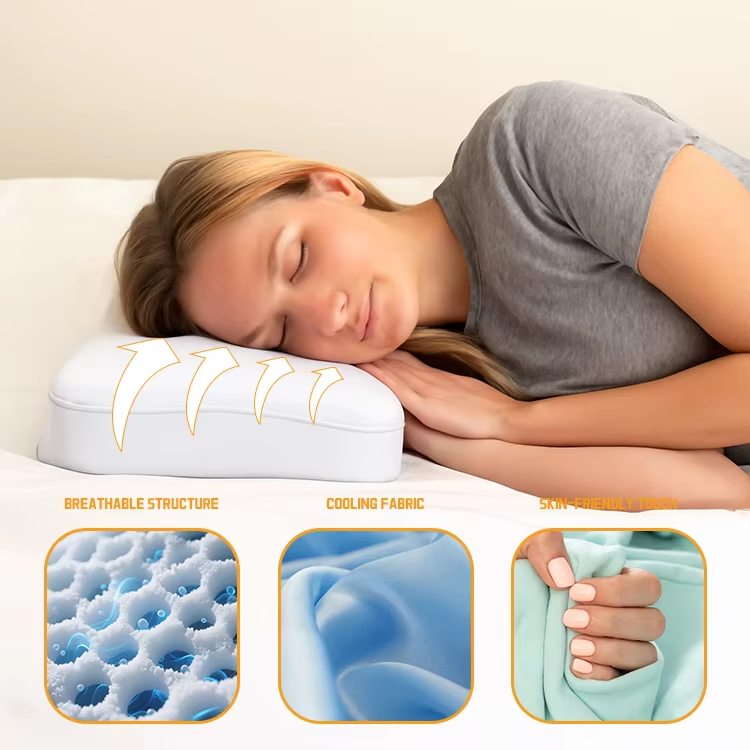
Waking up with a stiff neck or a throbbing tension headache is not just an inconvenience—it is a signal that the body is not resting in a state of alignment. For those who spend long hours at desks or staring at mobile devices, the cervical spine is under constant stress. A standard pillow often exacerbates this by pushing the neck into unnatural angles. Transitioning to a pillow ergonomic design is about more than comfort; it is about providing the structural support necessary to allow the neck muscles to relax completely and the spine to maintain its neutral, healthy curvature throughout the night.
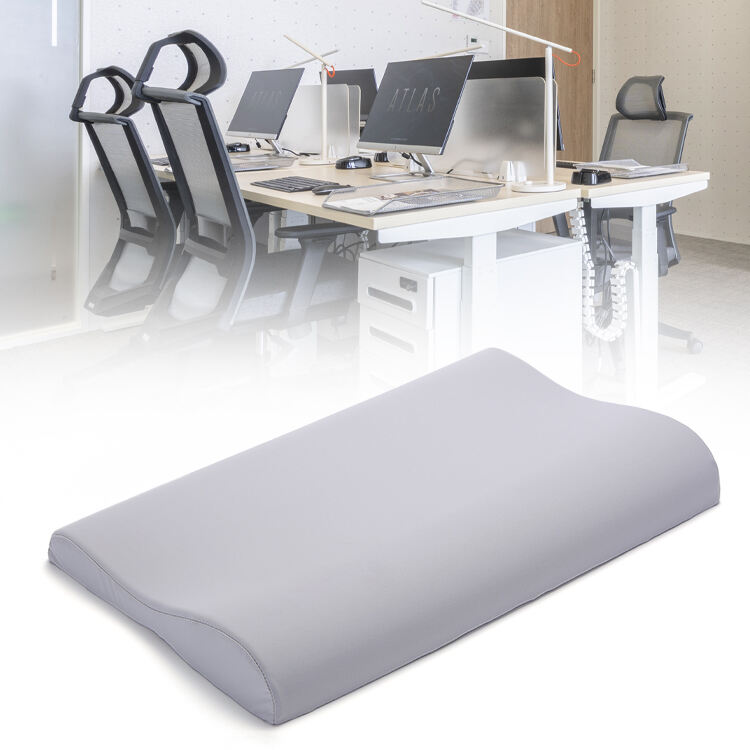
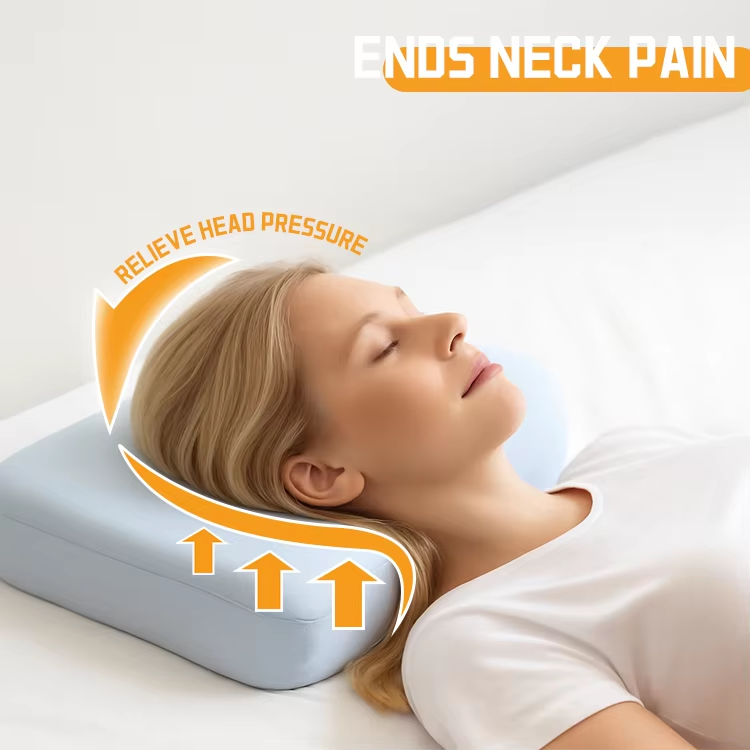
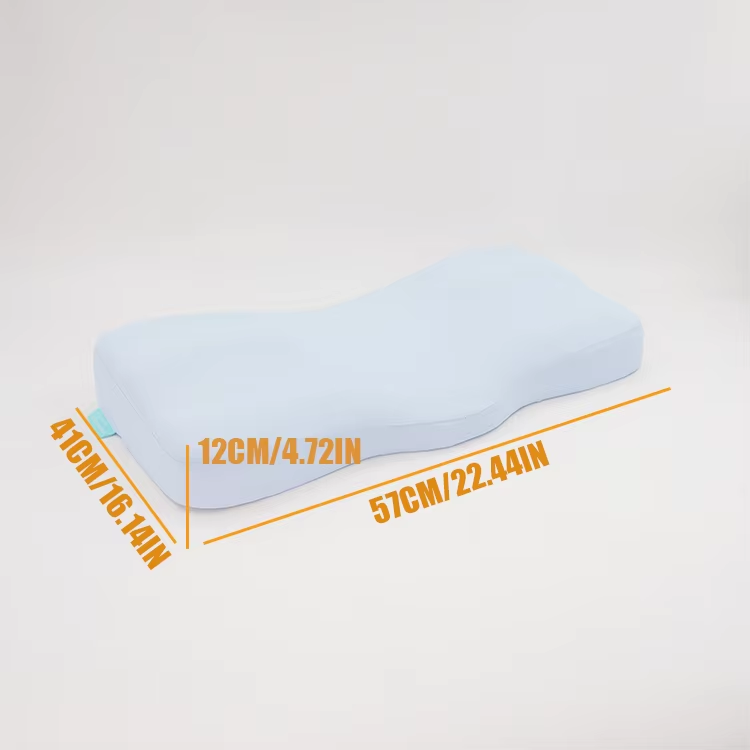
The human neck features a natural forward curve, known as cervical lordosis. When sleeping on a conventional, flat pillow, this curve is often flattened or distorted, causing ligaments and muscles to stretch painfully. An ergonomic pillow is engineered with a specific contour—often a "wave" or "butterfly" shape—that cradles the base of the skull while gently lifting the neck. This design ensures that the head, neck, and shoulders are perfectly aligned with the torso. By keeping the spine neutral, the pressure is redistributed away from vulnerable discs and tense muscles, which is essential for deep, restorative sleep.
| Pillow Material | Support Level | Pressure Relief | Breathability |
| Traditional Cotton | Low | Poor | High |
| Down Feathers | Variable | Moderate | Medium |
| High-Resilience Memory Foam | High | Excellent | Moderate (Gel-infused options) |
| Latex | Very High | Very Good | High |
Muscular fatigue is the primary enemy of deep sleep. When a pillow lacks proper contour, specific points—the neck vertebrae or the outer shoulder—absorb excessive weight, leading to soreness. A well-designed ergonomic pillow utilizes adaptive materials like high-resilience memory foam to contour to the unique anatomy of each user. This minimizes "peak pressure points," allowing blood circulation to remain unobstructed. When pressure is evenly distributed, the body does not need to shift or "toss and turn" as frequently, leading to longer cycles of REM sleep.
| Sleeping Position | Ideal Support Goal | Ergonomic Feature to Look For |
| Side Sleeper | Higher neck loft | Firm edge support for shoulder gap |
| Back Sleeper | Moderate neck support | Central indentation for head stability |
| Stomach Sleeper | Very low profile | Ultra-thin or flat contouring |
Creating a truly protective sleep surface requires deep integration of biomechanics and manufacturing precision. Welldo focuses on the science of restorative sleep, utilizing advanced molding technologies to ensure that the density of each pillow provides consistent support. From selecting skin-friendly, hypoallergenic covers to engineering foams that maintain their shape after years of use, Welldo ensures that every product meets rigorous quality standards. Their robust supply chain and dedication to R&D allow for the delivery of consistent, reliable sleep solutions to facilities and families around the world, making high-quality spinal support accessible to all.
Choosing the right sleep gear is an investment in long-term health. By proactively addressing the needs of the cervical spine with a scientifically sound pillow ergonomic design, individuals can prevent the accumulation of chronic tension that leads to long-term injury. Restorative sleep is the foundation of peak performance, and the right support is a vital component of that process. With the expertise and manufacturing excellence offered by Welldo, finding a pillow that balances soft comfort with clinical-grade spinal protection is finally a simple, accessible step toward a healthier, more vibrant daily life.

Established in 2007, Welldo is a manufacture and trader specialized in the research, development and production of all kinds of memory foam pillows. We are located in Xiamen, with convenient transportation access. All of our products comply fit international quality standards and are greatly appreciated in a variety of different markets throughtout the world. In order to further enhance the company's strength and competitive edge, and at the same time respond to the call of the country