EN
EN



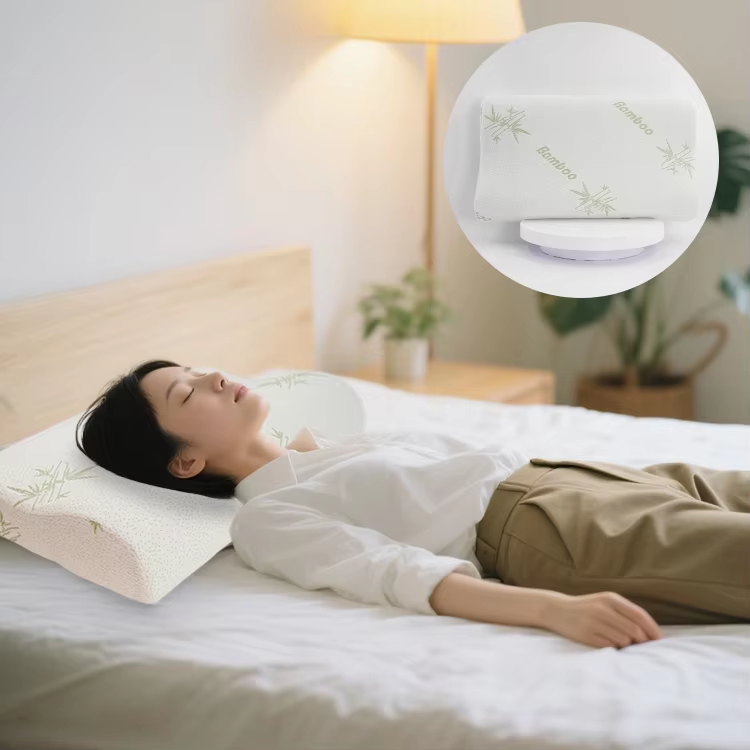
The Science Behind Memory Foam and Cervical AlignmentViscoelastic contouring: How does memory foam dynamically conform to cervical lordosis?
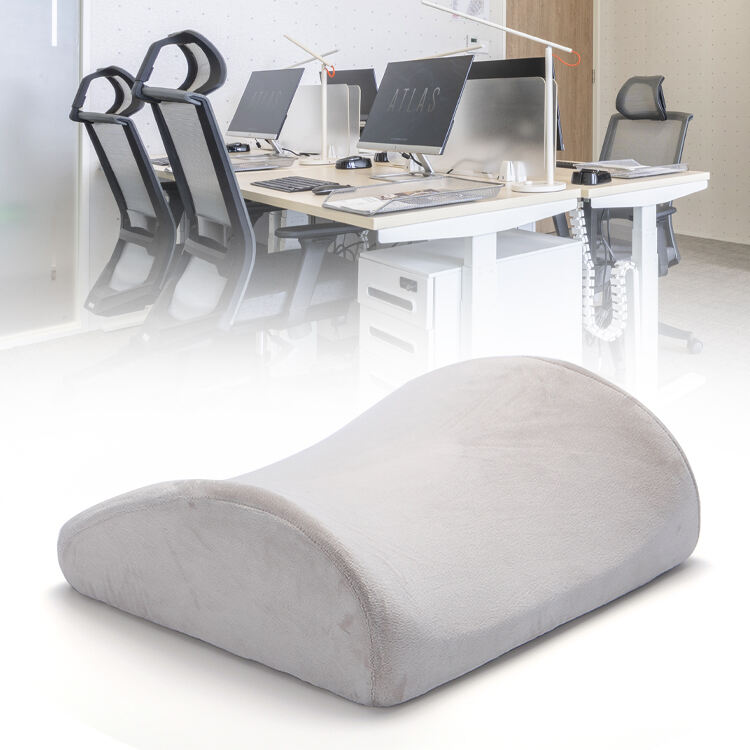
Thanks to the memory foam’s viscoelastic features, the gradual molding of the memory foam to the neck’s lordosis (in the memory foam’s defense, it takes just a few minutes to accomplish this) occurs as a response to heat and pressure. After a memory foam pillow has softened enough, it will have formed a support cradle only for the C1-C7, maintaining contact without pressure against the other vertebrae. The slow-rebound feature of memory foam pillows helps to provide a support surface along the vertebrae and helps to maintain vertebrae alignment all night long. Dynamic contouring, a feature of memory foam pillows, has shown viscoelastic memory foam pillows to decrease cervical pressure by 35% when compared with standard pillows.
Memory foam pillows have an ideal density of 4-5 lb/ft3 and a 10-15 indentation load deflection for optimal support and pressure relief.
There are two physical properties of memory foam that help to determine the quality of memory foam pillows when it comes to cervical support: density and Indentation Load Deflection (ILD). Memory foam pillows that have a density of 4-5 lb/ft3 have an effective support structure compared to a less dense memory foam pillow. Memory foam pillows that have an ILD of 10-15 are the ideal firmness to maintain a person’s alignment and support; and relieve the pressure of contact to the occiput and upper trapezius. Memory foam pillows that have these properties of density and ILD help to prevent the flexion of the head and neck of 15-20° and help to reduce the strain of muscles used to support a given posture.
The Critical Role Of Pillow Loft In Your Spinal Health
Perhaps Pillow loft should be the first thing you consider when trying to achieve optimal spinal health. Pillow with the incorrect loft can lead to the same issues as a cheap, low-quality pillow. It can support posture and curves in the spine, but it will still lead to strain and possibly permanent spinal issues.
Supine Positioning
When C2 to C7 of the cervical spine is in a supine position, the cervical spine has a small lordosis and a small gap is formed between the base of the neck and the mattress. A pillow loft of 7 to 9 cm can fill the gap without causing extension of the cervical spine, and it keeps the C2 to C7 vertebral angle in line with the thoracic spine. A 2022 clinical trial found that pillows in this loft range had participants maintaining a neutral position of the cervical spine, while all pillows outside of that range had participants with a posture that deviated from neutral by 15° or more. To little loft causes the cervical lordosis to flatten and too much leads to an overstretched lordosis. Both of these lead to poor posture, but also paravertebral stiffness and strain.
Laying On The Side
Continuity of the spinal curves should be maintained from the cervical to the thoracic region. Maintaining this requires a greater loft in the pillow of 10 to 11 cm. Side sleepers typically have a larger gap due to the mattress (this gap is the shoulder to mattress gap). This greater loft keeps the gap closed and keeps the spinal alignment uninterrupted. Biomechanical studies have shown that this loft range minimizes nocturnal neck muscle activation, which makes this loft range great for those who have tension from strain. Quality memory foam that is this loft range preserves its height and does not collapse while supporting individual shoulders in line with the curves of the spine.
Ergonomic Shape Design in Memory Foam Pillows
Dual-contour design incorporates a raised neck zone and a lowered head zone
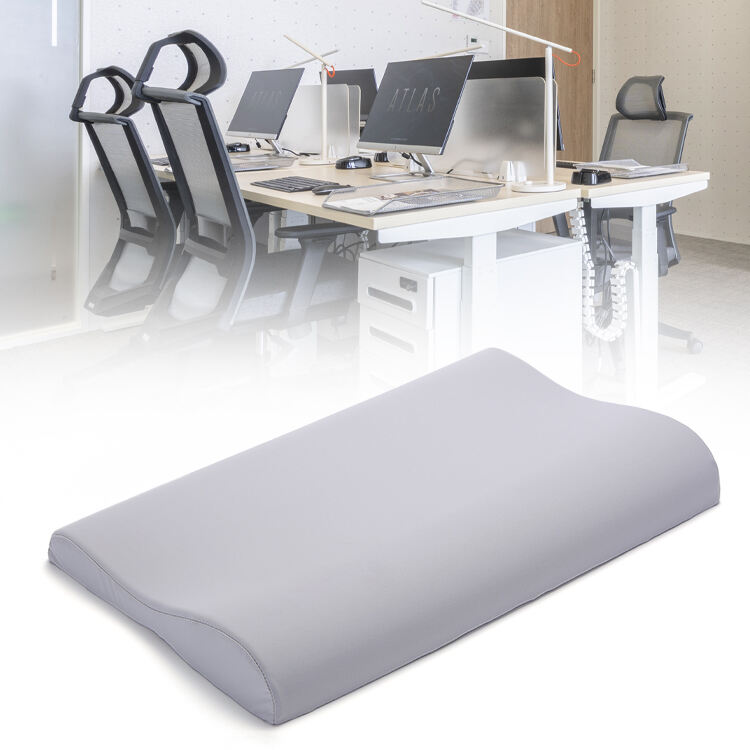
Memory foam pillows aren't flat like most pillows. Instead, they're built using dual-contour design to give better support. An example of this design is the raised neck zone. It fills the gap that sits between the base of the skull and the top of the shoulders, which is usually left empty by most pillows. This gap is the source of muscle strain and misaligns vertebrae. The design is also supplemented by a recessed head zone which gently supports the head and prevents it from sinking in too far or obstructing the head from drifting too far out of position. The zones offer memory foam’s passive support of lordosis. This is done without creating any pressure points. This is helpful for those who sleep on their back or side.
Evidence-Based Benefits of Proper Cervical Support
An optimally crafted memory foam pillow promoting neutral cervical posture yields clinically backed benefits for sleep quality and pain management and for the musculoskeletal system. The 2023 clinical review in the Journal of Orthopaedic & Sports Physical Therapy noted that of the participants with chronic neck pain, 71% experienced symptom relief after the use of a properly aligned cervical support pillow. In addition to pain relief, muscle and nerve tension in the neck and upper back are alleviated with aligned posture, which also helps lower the number of tension-type headaches from poor sleeping posture. This aligned posture also helps the entire spine align and helps lower the nighttime disruption due to discomfort from an overload of the musculoskeletal system. This support is especially beneficial for those with cervical spondylosis, arthritis, and herniated discs, helping decrease nerve root pain and improve quality of movement.
FAQ
What is memory foam and what is the primary benefit to cervical alignment?
Memory foam is a viscoelastic material that, with the application of heat and pressure, provides dynamic support to cervical alignment and spinal support, while helping lessen pressure points.
How do pillow density and ILD affect support of the cervical region?
A pillow density between 4-5 lb/ft³ and an ILD of 10-15 provide the right balance between firmness and resistance to compression, which positively influences support to the cervical region and reduces tension in neck muscles.
What height is ideal for supine and side sleeping pillows?
Supine sleepers maintain perfect alignment between C2 and C7 with a pillow height of approximately 7 - 9 cm. Side sleepers require a pillow height of 10 - 11 cm for optimal spinal alignment.
What is the importance of dual contour geometry in a memory foam pillow?
In a memory foam pillow, dual contour geometry means a recessed head zone and an elevated neck zone. This geometry allows for the stabilization of cervical lordosis without the creation of pressure points.
How do memory foam pillows affect sleep quality and musculoskeletal health?
Sleep comfort and the health of the spine greatly improve. Muscle activation at night is decreased and tension headaches and neck pain are relieved.

Established in 2007, Welldo is a manufacture and trader specialized in the research, development and production of all kinds of memory foam pillows. We are located in Xiamen, with convenient transportation access. All of our products comply fit international quality standards and are greatly appreciated in a variety of different markets throughtout the world. In order to further enhance the company's strength and competitive edge, and at the same time respond to the call of the country