EN
EN



The Science of Cervical Alignment
Restful sleep is inherently linked to the alignment of the cervical spine. When the head and neck are supported in a neutral position—perfectly aligned with the thoracic spine—the muscles can achieve deep relaxation. A memory foam pillow is uniquely engineered to contour to the unique anatomy of the user, distributing head weight evenly and neutralizing pressure points. However, these physiological benefits are only realized when the loft, or height, is precisely matched to the user's body frame. Choosing an incorrect height frequently results in muscle tension, spinal misalignment, and chronic neck discomfort, making the selection of loft a vital decision for long-term health.
The ideal pillow height is dictated by how the body interacts with the mattress surface. Side sleepers typically require a higher loft to bridge the gap between the shoulder and the ear, maintaining a straight spinal line. Conversely, back sleepers benefit from a medium loft that supports the neck's natural curve without inducing forward head tilt.
| Sleeping Position | Recommended Loft (Height) | Primary Support Objective |
| Side Sleeper | High (4-6 inches) | Fill shoulder-to-ear gap |
| Back Sleeper | Medium (3-5 inches) | Maintain neutral neck curve |
| Stomach Sleeper | Low (2-3 inches) | Minimize cervical strain |
Decoding Density and Firmness
Height represents only one dimension of support; density and foam firmness determine how the memory foam pillow performs under sustained pressure. High-density foam provides a slower, more deliberate recovery, which is ideal for individuals requiring firm, consistent neck stabilization. Lower-density variants offer a softer feel but may compress excessively, effectively reducing the functional height during sleep. Quality foam must offer consistent support throughout the night, ensuring the neck does not sink into an awkward angle as the material warms and softens.
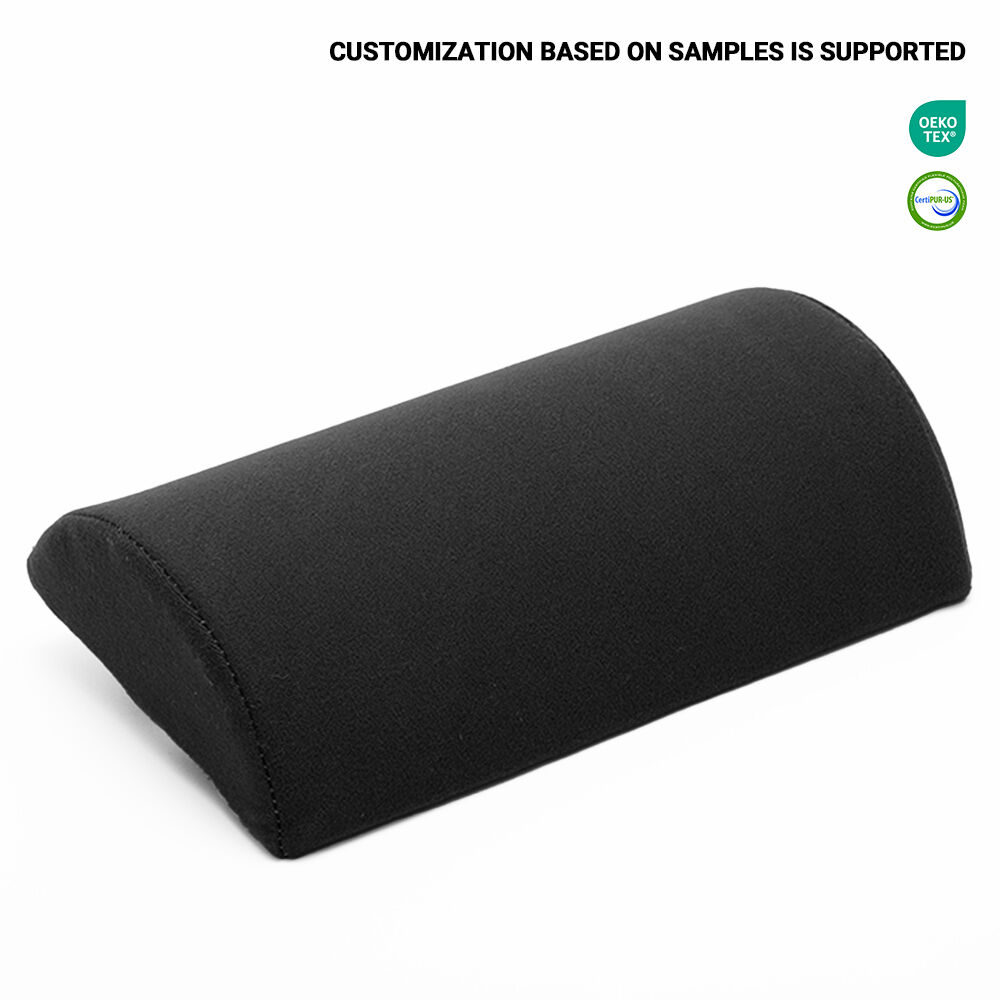
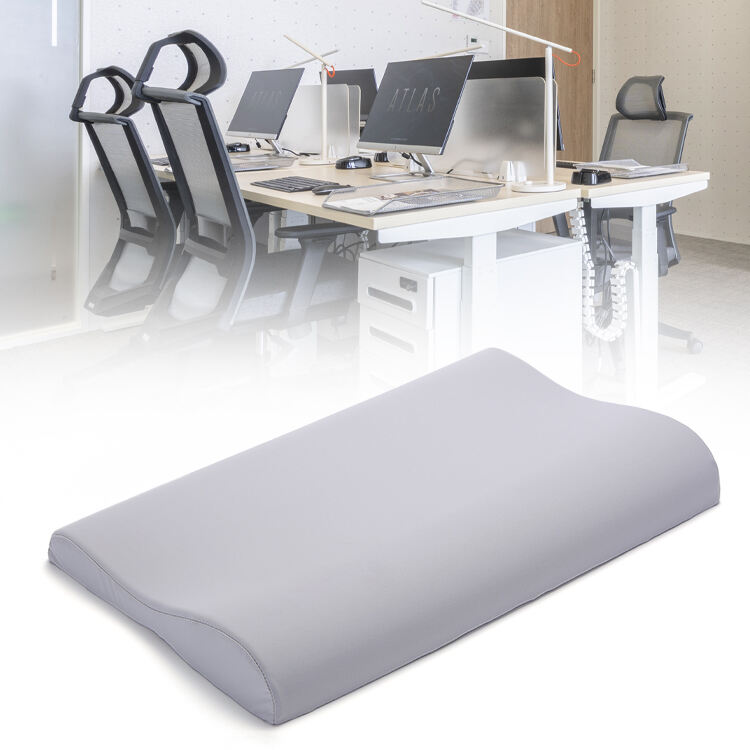
Beyond physical dimensions, the chemical composition and structural ventilation of the foam are critical. Advanced ergonomic designs—such as contouring wave patterns or integrated cooling gel—significantly enhance therapeutic value. Inferior foam often suffers from premature sagging or off-gassing issues that disrupt sleep cycles. Selecting products manufactured with high-grade, certified materials is essential for long-term respiratory safety and structural performance.
| Feature Metric | Premium Memory Foam | Standard Generic Foam |
| Material Resilience | Superior recovery rates | Prone to sagging |
| Thermal Regulation | Enhanced airflow/Cooling | Heat-trapping |
| Pressure Distribution | Precise contouring | Inconsistent support |
Precision Engineering and Manufacturing Excellence
The efficacy of any neck-care product is rooted in its engineering. Welldo excels by integrating advanced molding techniques with rigorous ergonomic testing to ensure every unit meets international quality standards. By leveraging a sophisticated global supply chain and premium-grade raw materials, Welldo maintains absolute control over the density and loft of every pillow produced. This commitment to precision manufacturing ensures that users receive reliable, consistent neck support that resists deformation over time. Partnering with an expert in textile and foam manufacturing like Welldo guarantees that structural design and material science work in harmony to foster superior sleep hygiene.
Determining the optimal height for a memory foam pillow is a personalized process dependent on individual anatomy and sleep posture. By prioritizing ergonomic design and high-density materials, one can significantly improve spinal health and sleep quality. Relying on the professional manufacturing standards established by experts like Welldo provides the assurance that every night of rest is supported by industry-leading craftsmanship, transforming a simple pillow into a fundamental tool for well-being.

Established in 2007, Welldo is a manufacture and trader specialized in the research, development and production of all kinds of memory foam pillows. We are located in Xiamen, with convenient transportation access. All of our products comply fit international quality standards and are greatly appreciated in a variety of different markets throughtout the world. In order to further enhance the company's strength and competitive edge, and at the same time respond to the call of the country