EN
EN



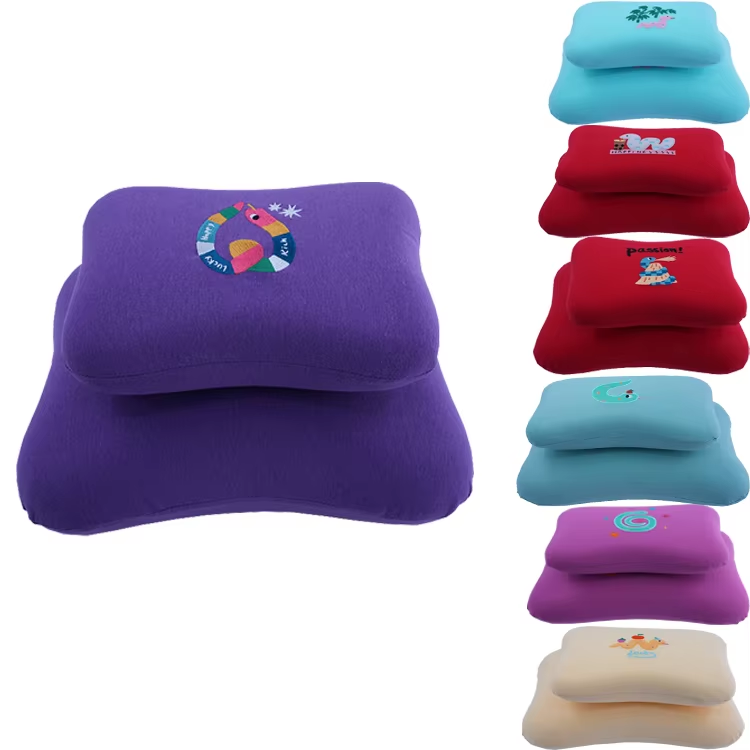
Organic Cotton, Tencel™, and Certified Silk Skin-Safe Neck Pillow Covers
The cover material is just as important as the internal filling when selecting a sensitive skin-friendly neck pillow. Grown without the use of toxic pesticides, herbicides, and chemical finishes, Organic Cotton does not irritate as much as the traditionally grown cotton. Global Organic Textile Standard (GOTS)-certified organic cotton ensures no harmful additives are used in production and reduces the chances of contact rashes and/or breakouts.
Constructed with sustainably harvested eucalyptus trees, Tencel™ Lyocell also brings with it moisture-wicking abilities that quickly draw away sweat or humidity on the neck. Airflow with Tencel™ eliminates that hot and sticky feeling caused by other less permeable fabrics while improving overall comfort. Tencel™, furthermore, is proven to be more absorbent than traditional cotton.
Silk and OEKO-TEX® Standard 100–Certified Satin Weaves for Hypoallergenic Comfort
Pure silk is a time-tested choice for sensitive skin, thanks to its naturally smooth, low-friction fibers that minimize irritation against the neck and face.
In uncertified manufacturing, the biggest danger is the residual dyes and chemical finishes which can cause allergic reactions and rashes. OEKO-TEX® Standard 100 certification tests all fabric components for more than 100 harmful substances and ensures that safety limits regarding human contact are observed. Certified satin weaves can replicate silk’s smooth, friction-reducing feel at a more accessible price point. Machine washability provides a convenient advantage for certified satin. OEKO-TEX® certified satin and certified silk are organically hypoallergenic and do not allow dust mites to inhabit. Dust mites can aggravate sensitive respiratory and skin issues as well as mold, which can also grow on these fabrics.
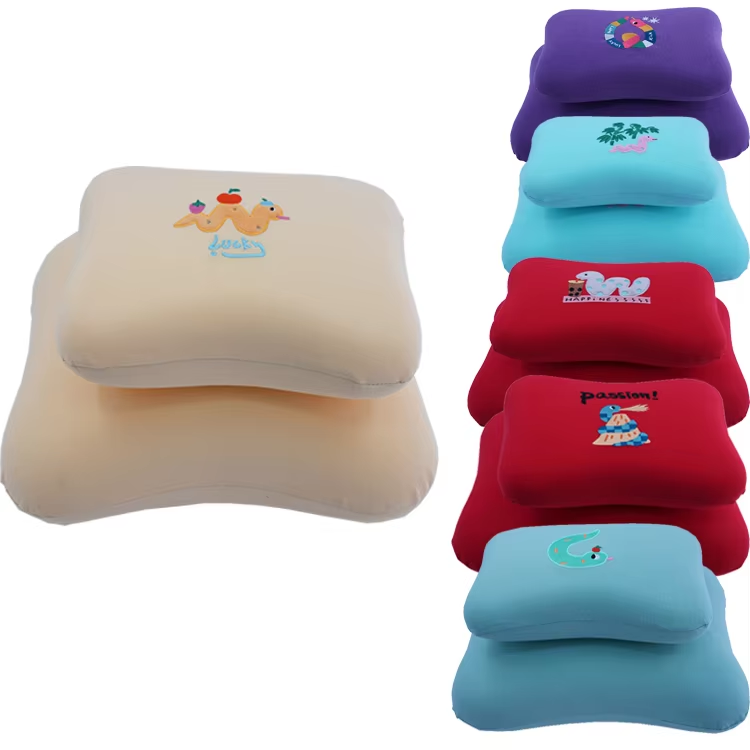
Ventilated, Non-Constricting, Neck Pillow Fillings that Regulate Temperature
Kapok and Natural Latex: High Airflow, Low Heat Storage Fill Options
Kapok is lightweight and plant-based. It has a structure that allows for constant air flow, maintaining the core cool. Traditional, solid-density foams that easily trap heat are residual close to the skin, but Kapok has a very small, if not negligible, residual heat storage. This makes it favorable to use as a pillow fill for warm sleepers, long-haul travel, or warm climates. Natural latex, when shredded or perforated, allows for similar air flow but has a great balance of supportive structure and shape overtime. A 2023 industry evaluation found that 78% of hot sleepers rated Kapok and natural latex fills significantly less stuffy than traditional solid memory foam.
Moisture-Wicking RPET and Antimicrobial Fill Technologies in Modern Neck Pillows
Engineered RPET fill structures draw moisture away from the skin and spread it throughout the fill so users don’t end up with a warm, damp microclimate. Many RPET types include low-level antimicrobial treatments to discourage the growth of odor-causing bacteria and mold that may grow from moisture trapped in the fill. These fills are a strong alternative to natural fills. Frequent travelers and the “always hot” crowd can appreciate easy maintenance and effective temperature controls. These fills provide breathability and temperature control, which are difficult to achieve with natural fills.
Ergonomic Design Features That Boost Airflow in Neck Pillows
Open-Neck Contours, Side Vents, and 3D Mesh Integration for Active Breathability
Prevention of stuffiness is the goal of the ergonomic neck alignment design and airflow improvement that comes along with it. The skin is provided a continuous air exchange instead of trapping your body’s heat with purposeful gaps of open neck contours. Side vents remove the warm, moist air that builds up long-term, and put in place 3D mesh, which is lightweight, moisture wickable, heat resistant, and creates surface area. In a 2023 study of the sleep product industry, ergonomic designs that have these ventilation techniques drastically reduced overnight overheating by 32% compared to solid, non-contoured designs. These intentional structural features are required for long-lasting, cool, and stuffy-free comfort.
Avoiding Common Pitfalls: Microfiber vs. Bamboo-Derived Rayon in Neck Pillows
Standard microfiber and bamboo-derived rayon disappoint many buyers expecting breathability and softness against the skin. Budget microfiber neck pillows contain fills and covers that are made of synthetic fibers that are packed and dense enough to block airflow. This creates heat and moisture that result in discomfort and stuffiness. Furthermore, filling that is made of synthetic fiber can cause skin irritation due to its electromagnetic charges that attract dust, resulting in an itchy and red skin.
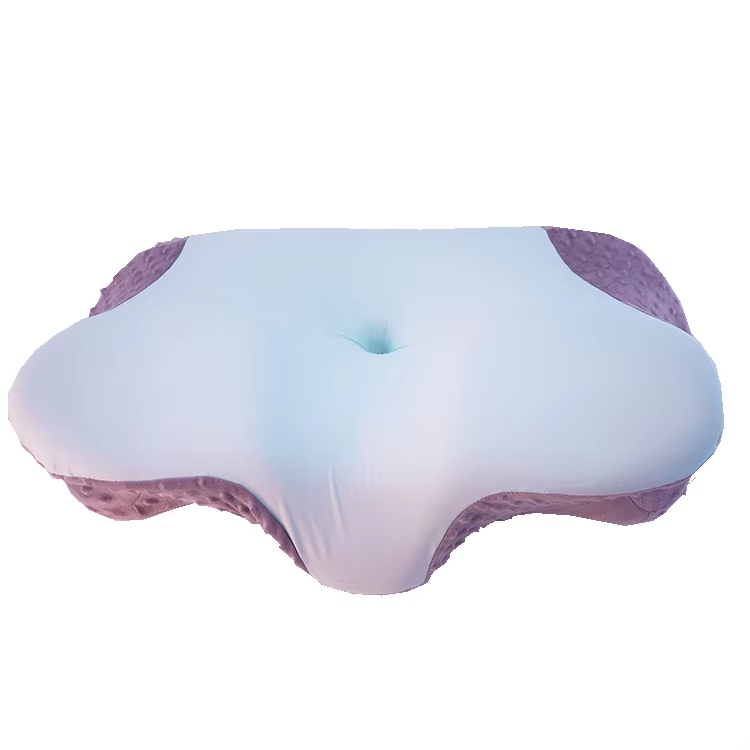
Though it is marketed as cooling and environmentally friendly, bamboo-derived rayon in neck pillows is often made of are low-quality materials that contain unsightly forms of chemicals that are left in the fabric. Combined with non-breathable polyester in high amounts, bamboo's natural thermoregulation and moisture-wicking properties are completely lost. In addition, the presence of rayon neutralizes the moisture-wicking and thermoregulation properties of fiber completely. To completely avoid these issues, check that pillows contain the certifications, such as OEKO-TEX® or GOTS, and examine the fiber content of the pillows beyond the marketing.
What is the best material neck pillow covers for sensitive skin?
The best materials for sensitive skin include certified silk, organic cotton, or Tencel™ as these avoid harmful chemicals and reduce chances of skin irritation.
Why is Tencel™ considered skin-friendly?
Tencel™ lyocell is actually more absorbent than cotton, wicks away moisture, and is highly breathable. This makes it a great choice for sensitive skin.
Which fillings provide better breathability for neck pillows?
Of natural filling options, Kapok and natural latex are perceived to be more breathable and dissipate heat effectively.
Are RPET fillings safe for frequent travelers?
RPET fillings are considered safe for frequent travelers due to their moisture-wicking properties, thermoregulation, ability to prevent odor-causing bacteria. This makes pillows containing them very safe.
How do you determine whether bamboo-derived rayon is skin safe?
Look for third-party product certifications like GOTS or OEKO-TEX® and check that the fiber content indicates limited chemical processing.
How do neck pillows improve airflow and ventilation?
Airflow and ventilation are improved with open neck contours, vents built-in at the sides, and the use of 3D mesh panels.

Established in 2007, Welldo is a manufacture and trader specialized in the research, development and production of all kinds of memory foam pillows. We are located in Xiamen, with convenient transportation access. All of our products comply fit international quality standards and are greatly appreciated in a variety of different markets throughtout the world. In order to further enhance the company's strength and competitive edge, and at the same time respond to the call of the country