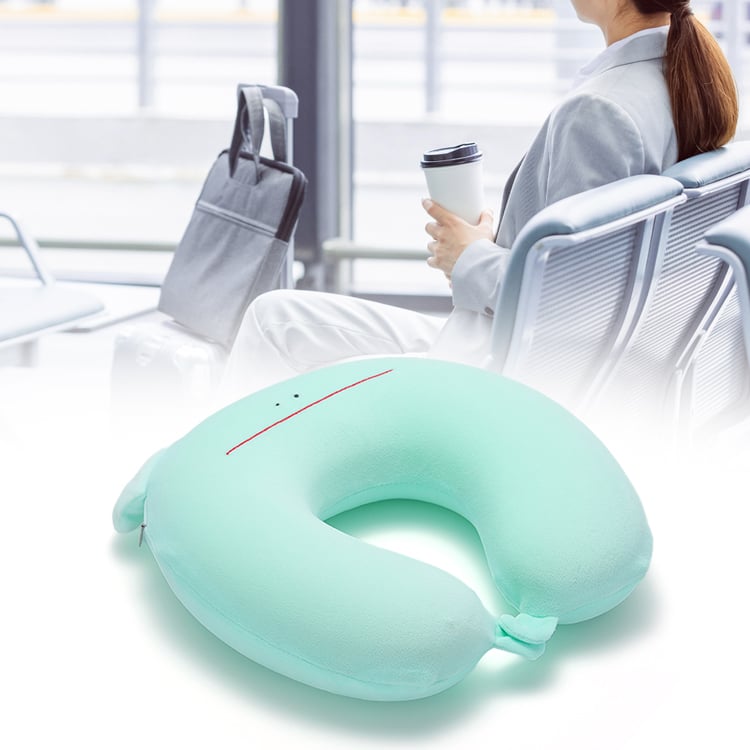
Snoring is one of the most common sleep disorders, caused by blocked or narrowed upper airway during sleep. Poor neck posture and misaligned cervical spine are the top hidden causes of frequent snoring. Choosing a professional anti-snoring sleep pillow is a non-invasive, clinically proven way to stabilize airway structure, reduce throat tissue vibration, and eliminate positional snoring.
This guide explains how sleep pillows fix snoring from a biomechanical perspective, compares clinically validated pillow designs, analyzes material performance, and shares professional tips for choosing the best pillow for different sleep positions.
1. How Cervical Alignment Stops Snoring & Improves Airway Patency
Snoring occurs when throat muscles relax during sleep, pushing the soft palate and tongue backward. This narrows the pharyngeal airway and creates turbulent airflow, resulting in snoring sounds.
Improper neck posture worsens this issue:
- Excessive neck flexion (chin toward chest) squeezes the pharynx
- Over-extension (head tilted back) compresses airway tissue
Both postures significantly reduce airway cross-section and aggravate snoring, especially for back sleepers affected by gravity.
Quality contoured sleep pillows maintain neutral cervical spine alignment and hold the head in a natural “sniffing position”. This slight forward occiput tilt fully opens the upper airway, prevents gravitational tissue collapse, and eliminates the core mechanical cause of positional snoring.
2. How Sleep Position Impacts Snoring Severity
Sleep position directly determines airway geometry and snoring frequency.
2.1 Supine Back Sleeping (Highest Snoring Risk)
When lying flat on the back, gravity pulls the tongue and soft palate backward, severely blocking airflow and triggering loud snoring and mild positional sleep apnea.
2.2 Side Sleeping (Best Natural Anti-Snoring Posture)
Side sleeping shifts oral tissue sideways, avoids central airway compression, and greatly reduces snoring. A dedicated side-sleeping pillow fills the gap between shoulder and head, prevents lateral neck bending, and keeps the airway unobstructed all night.
2.3 Head Elevation Therapy
Elevating the head and upper torso by 30–45 degrees effectively reduces tongue backward displacement. Clinical research proves proper head elevation significantly lowers respiratory events for patients with positional obstructive sleep apnea (OSA).
Contoured pillows with raised side edges and wedge pillows provide passive positional therapy, helping users maintain anti-snoring posture without extra effort.
3. Evidence-Based Anti-Snoring Pillow Designs & Clinical Results
Not all anti-snoring pillows work the same. Only biomechanically optimized designs have valid clinical support.
3.1 Contoured Cervical Pillows
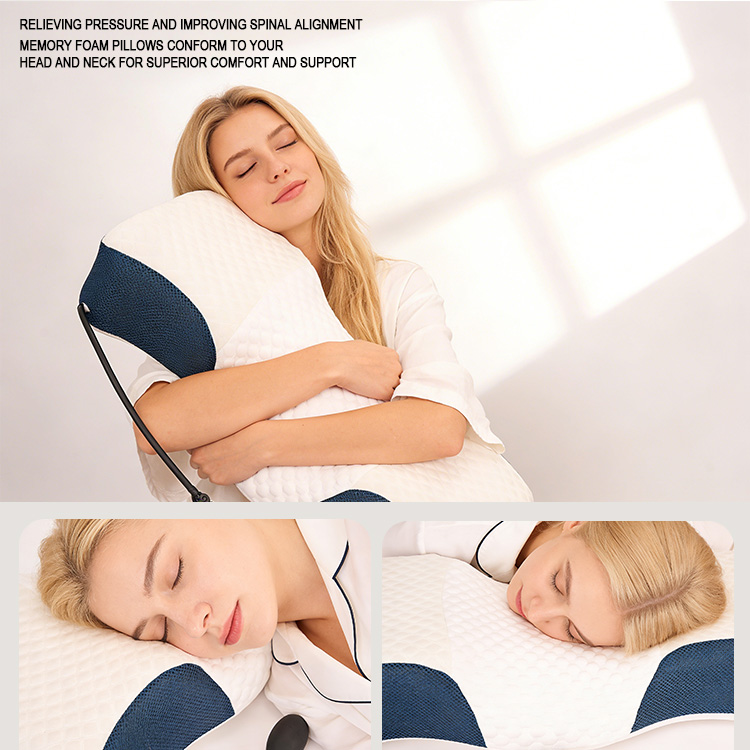
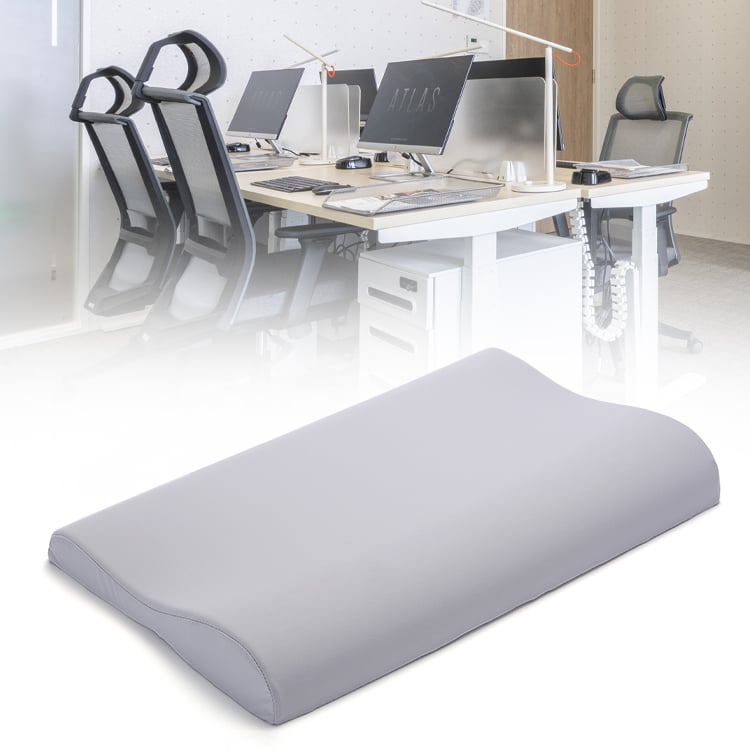
Contoured pillows feature a central head recess and raised neck support, restoring the spine’s natural cervical lordosis. This design stabilizes neutral head posture and keeps the upper airway fully open.
A 2017 pilot study verified that custom contoured pillows reduce
30% of total snoring duration for habitual snorers.
3.2 Wedge Pillows
Wedge pillows create a 30–45° inclined sleeping surface to elevate the upper body.
According to a 2019 systematic review (Ravesloot et al.), wedge positional therapy reduces the
AHI (Apnea-Hypopnea Index) by 17% for positional OSA patients, delivering the strongest clinical evidence among all snoring pillow types.
3.3 Specialized Anti-Snoring Pillows
Pillows with custom neck ramps, fixed straps or marketing-only anti-snoring structures have no high-quality controlled trial data. Current improvements are only subjective user feedback, without objective acoustic or sleep monitoring verification.
4. Pillow Material Comparison: Memory Foam vs Latex for Anti-Snoring Support
Material quality determines long-term support stability, temperature comfort and anti-snoring effectiveness.
4.1 Memory Foam
- Pros: Perfect body contour fitting, uniform pressure relief, precise head & neck positioning
- Cons: Easy heat accumulation, gradual softening, short service life (2–3 years)
- Application: Ideal for users requiring precise cervical shaping
4.2 Natural Latex
- Pros: Open-cell breathable structure, constant resilient support, excellent thermal regulation, long lifespan (5+ years)
- Cons: Slightly less customized fitting than memory foam
- Application: Best for long-term consistent airway support and hot sleepers
Cooling gel memory foam improves heat problems but still cannot match latex’s passive breathability and durability. Sags or overheated pillows will destroy cervical alignment and fail anti-snoring functions.
5. Clinical Evidence Level of Different Anti-Snoring Pillows
| Pillow Type |
Evidence Level |
Core Clinical Results |
| Wedge Pillow |
Moderate (Systematic Review) |
17% AHI reduction for positional OSA patients (2019) |
| Contoured Memory Foam Pillow |
Limited (Pilot Study) |
30% shorter snoring time for habitual snorers (2017) |
| Specialized Custom Anti-Snoring Pillow |
Low (Anecdotal Only) |
Subjective snoring improvement, no objective clinical data |
6. How to Choose the Best Anti-Snoring Pillow by Sleep Position
The perfect anti-snoring pillow must match your sleeping position in loft height and firmness.
Side Sleepers
- Loft: 5–7 inches (high loft)
- Firmness: Firm support
- Function: Fill shoulder-head gap, prevent lateral neck tilt and airway distortion
Back Sleepers
- Loft: 4–5 inches (medium loft)
- Firmness: Medium firm
- Function: Support cervical curve without chin compression
Stomach Sleepers
- Loft: <3 inches (low loft)
- Firmness: Soft
- Function: Avoid neck over-extension and anterior airway compression
Combination Sleepers
Adjustable pillows with removable inserts are the best choice, maintaining stable cervical alignment during position changes.
FAQ
What is the most effective pillow to stop snoring?
Clinically validated contoured cervical pillows and wedge pillows are the most effective options, supported by official sleep research data.
Does sleeping position affect snoring?
Yes. Back sleeping causes the worst airway blockage, while side sleeping and proper head elevation significantly reduce snoring and sleep apnea symptoms.
Latex or memory foam: which material is better for anti-snoring?
Latex provides durable, breathable and long-term stable support. Memory foam offers better personalized contour fitting. Users can choose according to body shape and sleeping temperature preference.
Are anti-snoring pillows clinically proven to work?
Wedge pillows and contoured cervical pillows have clear clinical evidence. Most commercial exclusive “anti-snoring pillows” only have subjective user effects without scientific verification.
 EN
EN