EN
EN



Can U-Shaped Pillow Help Office Lunch Break Naps?
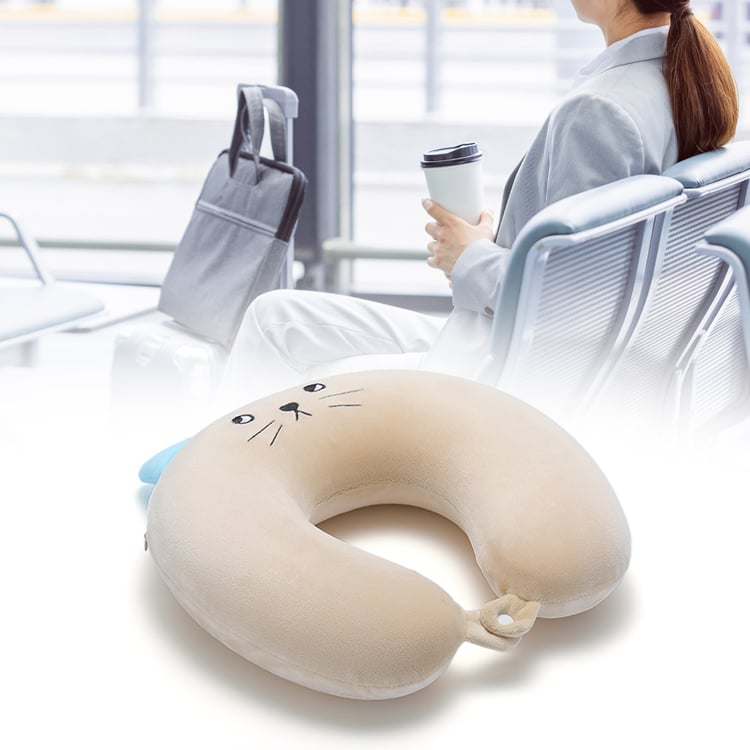
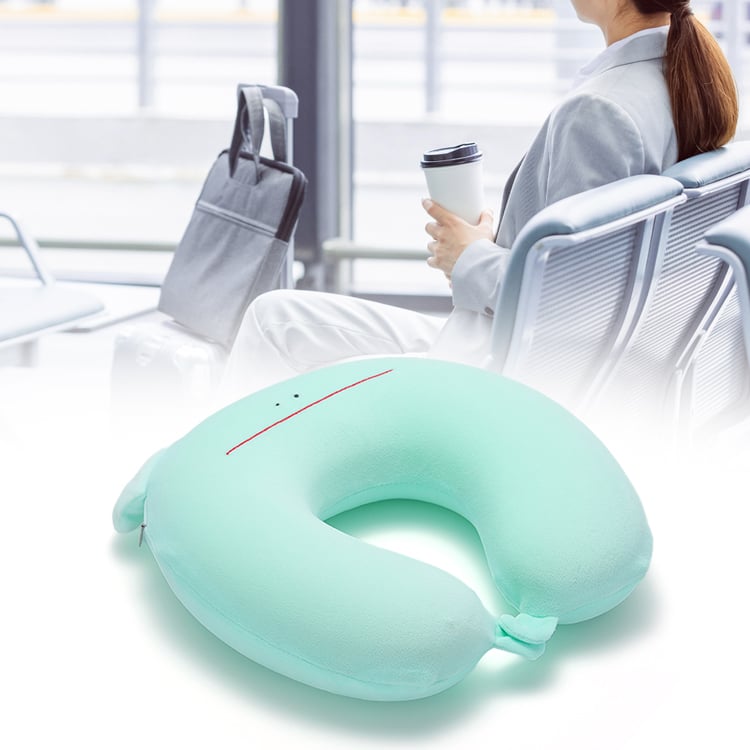
A 32-year-old software engineer at a Shenzhen tech company began taking 20-minute lunch-break naps at his desk after reading about the cognitive benefits of the NASA nap protocol — a 10-20 minute rest period that improves alertness by 54% and performance by 34% according to NASA's fatigue management research. The first week was frustrating: leaning forward onto crossed arms on the desk produced neck stiffness within five minutes, and leaning back in the chair caused his head to drop sideways, waking him with a jolt of neck pain each time his chin touched his shoulder. A memory foam u-shaped pillow — positioned around the neck with the opening at the back, supporting head weight against the chair's headrest — eliminated both problems. The 360-degree wrap prevented lateral head tilt, the memory foam distributed the head's 4.5-5kg weight across the contact surface, and the 20-minute nap became a consistent, restorative break rather than a battle with his chair.
A u-shaped pillow helps with office lunch-break naps by solving the biomechanical problem that makes desk-sleeping uncomfortable: the human head weighs approximately 5kg, and when unsupported in a seated position, it drops forward or sideways, loading the cervical spine in flexion or lateral bending that stresses the neck muscles, vertebral discs, and facet joints.
The seated nap position presents two distinct problems a u-shaped pillow is designed to solve. Forward head drop occurs when the neck flexes forward — the chin approaches the chest, and the 5kg head becomes a cantilevered load on the cervical vertebrae. The posterior neck muscles (splenius capitis, semispinalis capitis, upper trapezius) contract eccentrically to slow the descent, but sustained eccentric contraction produces muscle fatigue within minutes, followed by the sensation of neck stiffness when the napper wakes and returns the head to upright — the muscles have been under tension for the entire nap duration.
Lateral head tilt occurs when the head drops to one side — the ear approaches the shoulder, and the cervical spine bends laterally at 30-45 degrees. The intervertebral discs on the compressed side are squeezed asymmetrically, and the facet joints on the opposite side are distracted. Waking from this position produces sharp, localized neck pain that typically resolves within 20-30 minutes as the discs rehydrate and the joints return to neutral alignment — but repeated daily lateral-tilt napping over months can produce chronic facet joint irritation and cervicogenic headaches.
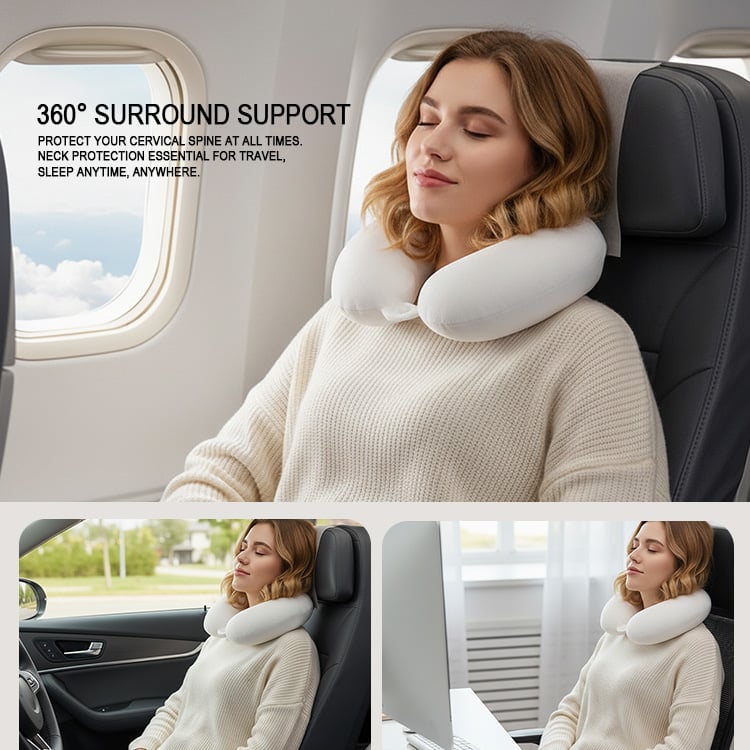
A properly designed u-shaped pillow addresses both failure modes simultaneously. The 360-degree wrap — high-density memory foam in a horseshoe shape that encircles the neck — provides support in all directions. When the napper leans back in the chair, the pillow contacts the chair's backrest or headrest, transferring the head's weight through the pillow to the chair rather than through the neck muscles to the spine. When the head drifts sideways, the pillow's side lobe provides resistance that limits lateral tilt to 10-15 degrees — well within the cervical spine's comfortable neutral zone — rather than the unsupported 30-45 degrees that produces post-nap pain.
Memory foam with a density of 3-5 pounds per cubic foot (medium-density, approximately 50-80 kg/m³) provides the optimal balance for nap support. Lower-density foam (below 3 lbs/ft³) compresses too readily under the head's weight, allowing the head to sink through the support and contact the chair structure. Higher-density foam (above 5 lbs/ft³) resists compression but is uncomfortably firm against the neck and jaw during a short nap. Medium-density memory foam with a slow-rebound characteristic — the foam takes 3-5 seconds to recover its shape after compression — distributes the head's weight across the entire contact surface rather than concentrating it at the highest-pressure points.
Place the pillow around the neck with the opening at the back (not the front). When leaning back in the chair, the pillow's back section contacts the chair headrest, transferring head weight to the chair. When leaning forward onto the desk, rotate the pillow so the thickest section supports the chin and jaw. The pillow should fill the space between the neck and shoulder on each side — if the pillow's lobes do not contact both the neck and shoulder simultaneously, the size is wrong for the user's body dimensions.
3-5 lbs/ft³ (50-80 kg/m³) medium-density memory foam with slow-rebound characteristics. This density range provides sufficient support to hold the 5kg head without bottoming out, while remaining soft enough for comfortable jaw and cheek contact. Lower densities compress too easily; higher densities feel rigid during a short nap.
Yes — by supporting the head in neutral alignment (minimal forward flexion, less than 15 degrees of lateral tilt), the pillow prevents the sustained eccentric muscle contraction that produces post-nap stiffness. The stiffness that follows unsupported napping is not "sleeping wrong" — it is the predictable result of neck muscles working against gravity for the entire nap duration.
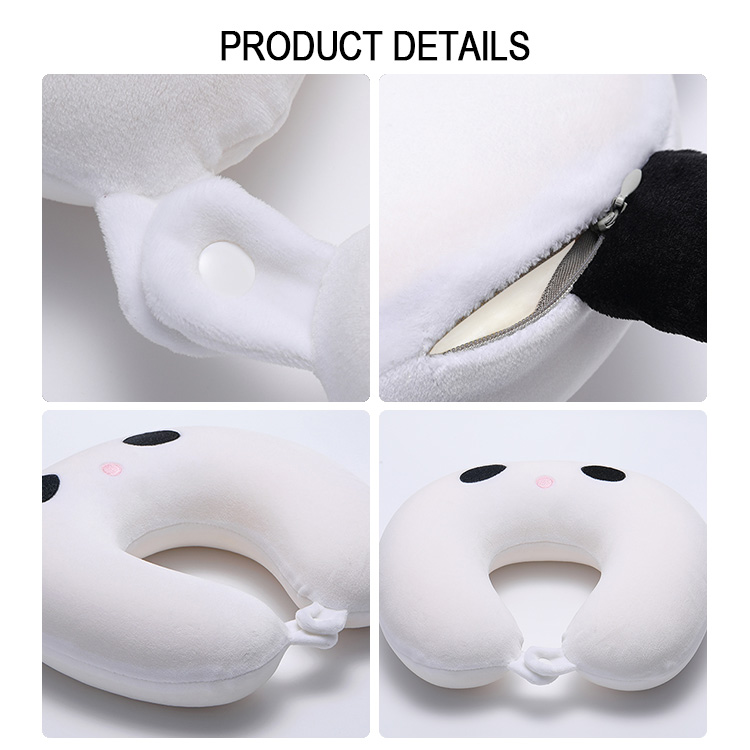
Breathable, washable fabric — cotton, modal, or bamboo-derived viscose with moisture-wicking properties. The cover should be removable via a zipper for machine washing at 30-40°C. Office environments tend to be climate-controlled and dry, making breathability more important than insulating properties. A cover with OEKO-TEX Standard 100 certification confirms the fabric has been tested for harmful substances — relevant for a product in prolonged skin contact.
10-20 minutes, based on sleep-cycle research: a nap of this duration avoids entering deep (slow-wave) sleep, from which waking produces grogginess (sleep inertia) lasting 30-60 minutes. A U-shaped pillow supports this precisely — it enables a comfortable 10-20 minute rest without the deep-sleep commitment that a horizontal bed position encourages. Setting an alarm for 25 minutes (5 minutes to fall asleep + 20 minutes of nap) produces the optimal balance of refreshment and post-nap alertness.
The same pillow works for both applications — the neck support mechanics are identical. A pillow designed primarily for travel may emphasize packability (inflatable or compressible design), while an office-dedicated pillow may prioritize material quality (premium memory foam, higher-thread-count cover). The functional difference is that travel pillows must survive being compressed into luggage repeatedly, requiring more durable foam that resists permanent compression set.

Established in 2007, Welldo is a manufacture and trader specialized in the research, development and production of all kinds of memory foam pillows. We are located in Xiamen, with convenient transportation access. All of our products comply fit international quality standards and are greatly appreciated in a variety of different markets throughtout the world. In order to further enhance the company's strength and competitive edge, and at the same time respond to the call of the country