EN


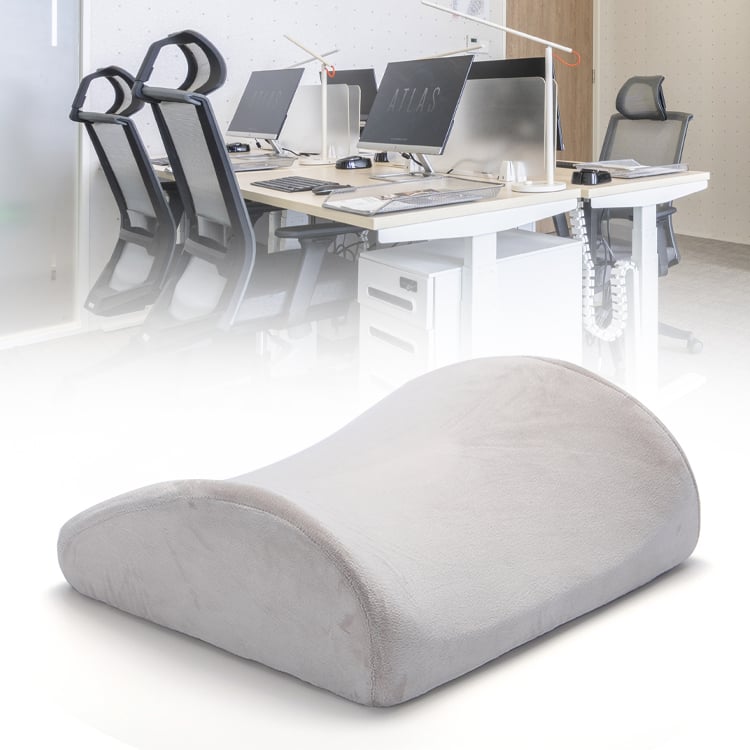

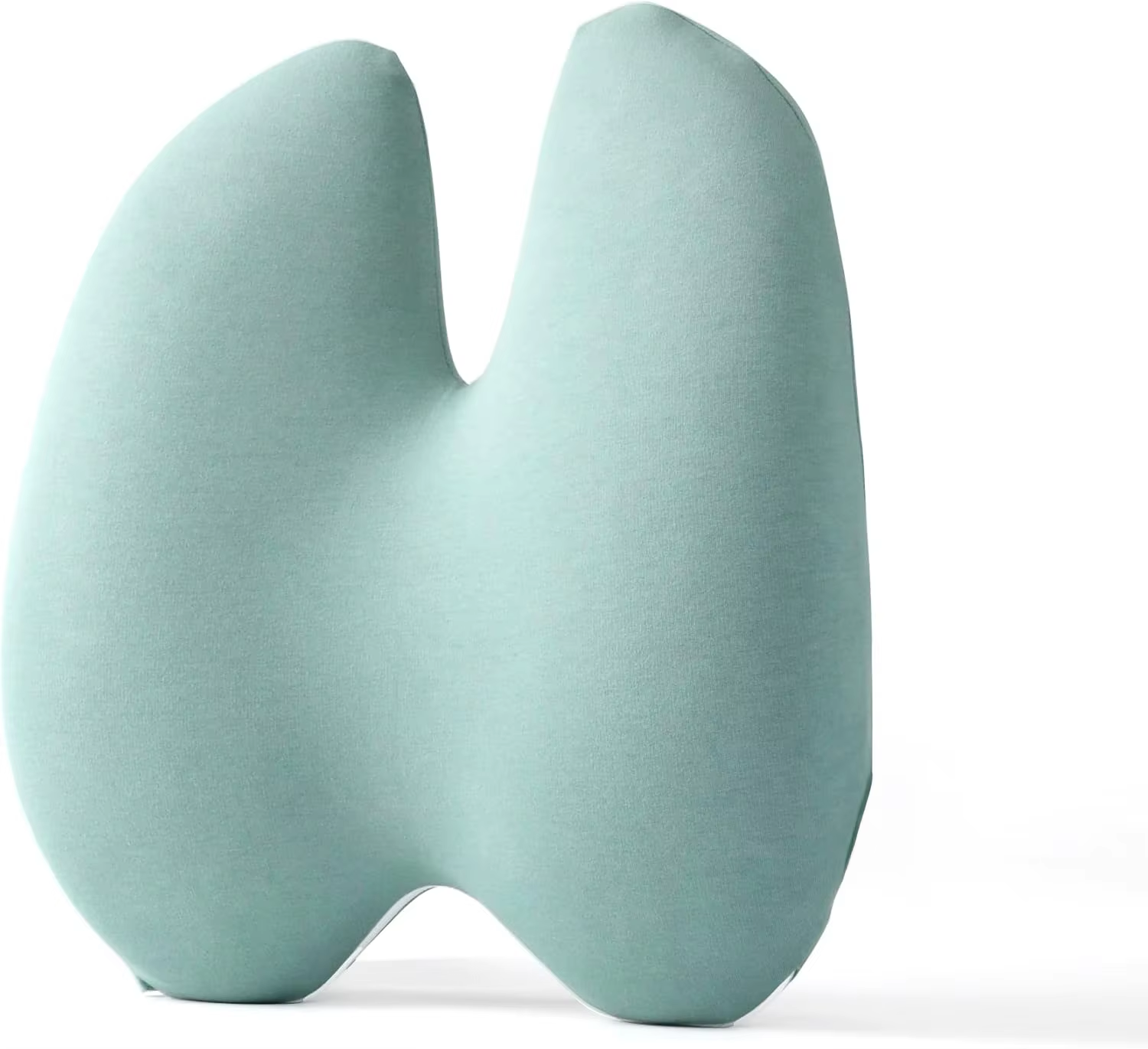
Sitting for hours feels harmless until the lower back complains. A well-designed lumbar support cushion changes the mechanical story of the spine: it fills the natural hollow of the back and holds tissue in a safer position instead of letting the lumbar region collapse. The real question is how the cushion actually protects the waist through load, pressure, and movement.
Long sitting places the spine in a posture that quietly raises tissue stress. When a person leans back in a flat office chair, the pelvis rotates and the natural lumbar curve flattens. Adding a support layer behind the pelvis counters this rotation and keeps the curve from flattening. Over a shift the load stays steady, which is why seated fatigue builds so slowly.
Without a lumbar support cushion behind the back, the intervertebral discs in the lower spine absorb a heavier share of body weight. Seated studies show disc pressure climbs as the lumbar curve flattens, squeezing the nucleus unevenly against the disc wall. The contoured shape of a support restores some of that lost curve, so compression spreads across a wider area instead of concentrating at one weak point.
The paraspinal muscles run alongside the spine and normally fine-tune posture. Left unsupported, they work continuously to stop the torso from rounding forward. A lumbar support cushion takes over part of the holding job, letting those muscles relax between movements instead of bracing all day. That static contraction tires quickly, which is why an unsupported worker shifts and slouches by late afternoon.
A lumbar support cushion earns its value through geometry before material. A flat back leaves gaps where the body's curves do not touch the surface, so pressure piles up on the few points that do. Contour shaping matches the body and spreads contact across more tissue, while memory foam molds to individual shape.
Viscoelastic foam responds to heat and pressure by slowly conforming, then holds that shape until load shifts. That slow rebound cradles the lower back and keeps contact even as the sitter moves, giving steady pressure relief rather than a hard edge on one spot. For procurement, one ergonomic model serves many users, which simplifies small-batch and OEM ordering.
A cushion with a gentle forward wedge encourages a small pelvic tilt that reopens the lumbar hollow. With the pelvis tipped forward, the stacked vertebrae line up closer to standing alignment, so load travels down the spine in a straighter column. This alignment prevents the shearing and twisting forces that appear when the back folds and rotates together.
Flexion is the technical word for bending the trunk forward. A little is normal; hours of it is not. When the lower back stays flexed, the posterior spine stretches while the front compresses, and the disc wall takes repeated uneven load. A lumbar support cushion works by resisting that forward fold, holding tissue nearer a neutral, low-stress zone.
Spinal biomechanics research links sustained flexion to higher intradiscal pressure and slower recovery of disc height. In a truck cab or call-center bay, the same folded posture repeats for hundreds of minutes a day, so tissue never fully offloads. Support that limits how far the back rounds reduces both the depth and duration of strain.
A neutral zone is the small range of spinal position where tissue stress stays lowest. The lumbar support cushion promotes this zone by filling the gap behind the waist, so the body rests against a shaped surface instead of fighting gravity. ISO 26800 ergonomics guidance frames such fit as part of a broader approach to reducing musculoskeletal load.
Buying for a fleet, a contact center, or a hotel means thinking past one chair. ANSI/BIFMA seating criteria give a baseline for durable, tested components, and OSHA workplace ergonomics guidance points to supportive seating as a recognized control for back discomfort. The lumbar support cushion is a low-cost layer that upgrades existing seats without replacing them.
Take the case of a regional long-haul transport fleet. Drivers sat in cab seats for ten-hour shifts and filed frequent back-pain complaints that hurt retention. The operation issued contoured memory foam lumbar cushions shaped to the natural hollow, paired with a short fitting check. Within a season, discomfort reports dropped noticeably, and drivers kept the cushions when switching vehicles.
Check the foam density and cover construction before committing to a batch. A breathable mesh design helps on warm shifts, and a washable removable cover keeps units hygienic across users. Ask for EU material inspection documents where required, and confirm dust-mite resistant treatment for shared use.
Position the thickest part of the cushion at the belt line, not the mid-back, so the lumbar curve is the part being filled. Foldable travel use lets drivers take support between cab and hotel. Air the cover weekly and follow the wash label to preserve foam rebound, and pair the cushion with a footrest when seat height is high.
A lumbar support cushion protects the waist through mechanics, not magic: it restores the lumbar curve, spreads contact pressure across more tissue, and limits how far the back can fold forward during long sitting. The payoff for procurement is fewer strain complaints and a simple, scalable upgrade to existing seating.
How does a lumbar support cushion reduce disc pressure?
Answer: A contoured cushion restores the natural lumbar curve so body weight spreads across a wider disc surface instead of pressing one weak point. Seated disc pressure rises when the lower back flattens, so reopening that curve lowers local compression. The effect is steady rather than dramatic: less uneven load on the disc wall during long sitting means slower tissue fatigue and fewer end-of-shift aches.
Which material suits long shifts in a vehicle?
Answer: Viscoelastic memory foam suits vehicle shifts because it conforms to the driver's shape and holds contact through movement. A breathable mesh cover keeps the surface cooler on warm routes, and a washable removable cover helps when several drivers share a cab. Density matters more than thickness: a firmer core resists bottoming out over a full day. For mixed fleets, one contoured model fits most seat backs without custom tooling.
Can a contoured cushion help with muscle fatigue?
Answer: Yes. Unsupported sitting forces the paraspinal muscles to brace the torso for hours, which drains energy and leads to slouching by late shift. A contoured shape takes over part of that holding job, so the muscles relax between adjustments instead of working all day. Less constant contraction means the back stays comfortable longer, and the person moves more naturally. This is the everyday mechanism behind reduced seated fatigue.
What should procurement check before a bulk order?
Answer: Request a sample and verify foam density, contour height, and cover stitching before committing to a batch. Confirm dust-mite resistant treatment for shared use and ask for EU material inspection documents where the market requires them. A breathable, washable removable cover keeps units hygienic across users. Check that the thickest part matches the target chair back, and clarify small-batch and OEM options so the model fits the fleet's seats.
Where should the cushion sit against the back?
Answer: Position the thickest section at the belt line, not the mid-back, so the natural lumbar hollow is the part being filled. If the seat is too high and the knees sit above the hips, add a footrest to keep the pelvis tilted forward. A foldable travel model lets drivers carry support between cab and hotel. Correct placement matters more than extra padding, because the goal is to reopen the curve, not just add softness.

Established in 2007, Welldo is a manufacture and trader specialized in the research, development and production of all kinds of memory foam pillows. We are located in Xiamen, with convenient transportation access. All of our products comply fit international quality standards and are greatly appreciated in a variety of different markets throughtout the world. In order to further enhance the company's strength and competitive edge, and at the same time respond to the call of the country