EN


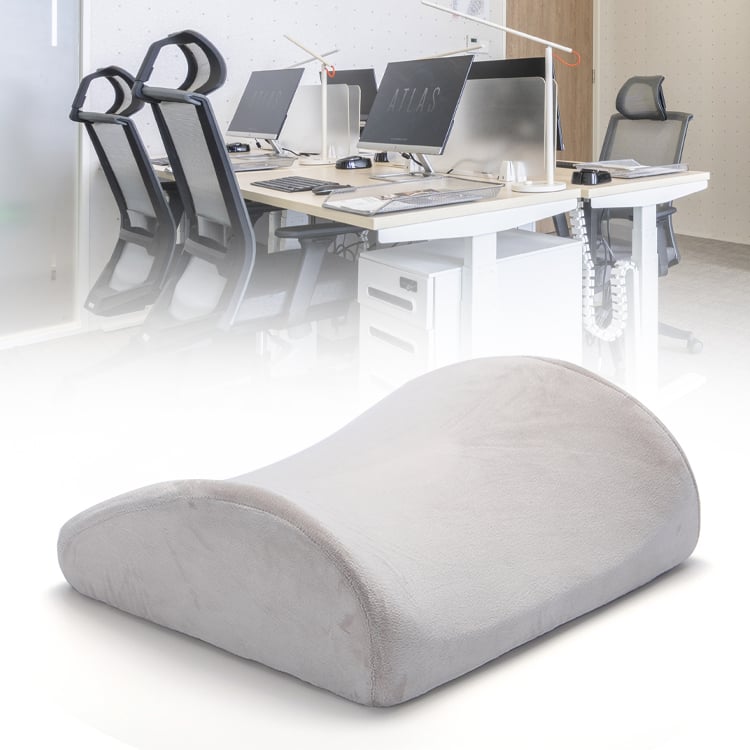

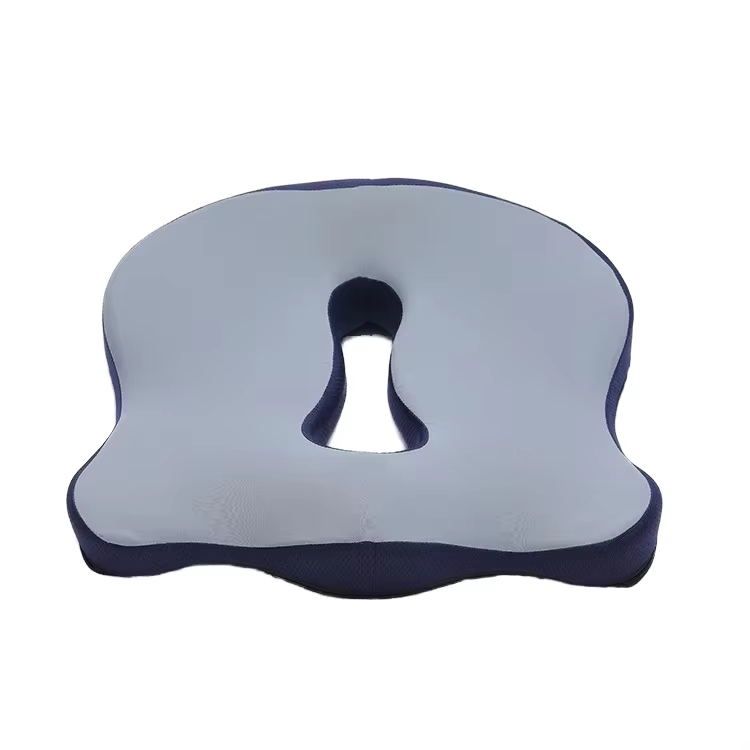
A well-kept seat cushion still looks new after years of daily use, but only when the foam core is cleaned the right way. Memory foam is not like ordinary polyester filling. It is a viscoelastic material that traps heat and moisture, so the wrong wash can wreck support in a single cycle. For procurement teams buying in bulk, the cleaning method matters as much as the contour shape or the breathable mesh cover.
A memory foam seat cushion earns its comfort from structure, not from fibers you can toss in a drum. Understanding what is inside helps explain why standard laundry ruins it.
A quality seat cushion starts as open-cell viscoelastic foam. Picture millions of tiny connected chambers that soften under body heat and slowly rebound when pressure lifts. That open structure is what delivers pressure relief and contour support. When a washing machine agitates the foam, those cell walls stretch, snap, and collapse. Heat accelerates the breakdown; a tumble dryer does the same damage in minutes. The result is a permanently flattened pad that no longer holds its ergonomic shape.
A soaked seat cushion becomes heavy enough to tear under its own weight during a spin cycle. Viscoelastic foam soaks up liquid like a sponge and stays wet deep inside for days. The foam core also takes days to dry inside, which invites mold and a sour odor that mild detergent cannot mask. ANSI/BIFMA seating guidance treats cushion integrity as part of usable life.
A seat cushion exposed to bleach loses its rebound and turns crumbly. Bleach, fabric softener, and solvent-based sprays attack the polyurethane chemistry directly. They dissolve the binders that hold rebonded and viscoelastic layers together, leaving a sticky mass. A safer choice is a small amount of mild pH-neutral detergent diluted in cool water. For buyers, the practical rule is simple: if a label promises "kills everything," it likely kills the foam too.
Most dirt does not reach the foam. It sits on the removable cover or a fresh surface stain, where quick action solves the problem.
When a seat cushion gets a fresh stain, reach for a dry cloth first. Blot the spot to lift liquid instead of rubbing it deeper into the foam and the fabric weave. Rubbing spreads the stain and drives it toward the breathable mesh layer, where it is far harder to remove. A second pass with a lightly damp cloth finishes the job. That small habit extends cushion life more than any deep clean.
For a seat cushion that smells of sweat, an enzymatic cleaner breaks the molecules down instead of covering them up. Use it sparingly on the cover and the foam surface, then rinse with a damp cloth. For ordinary dust and light marks, a drop of mild detergent in cool water is enough. Hypoallergenic, dust-mite resistant covers help here, but they still need the right cleaner to stay that way. Rotating two covers keeps one ready.
The cover and the core need different treatment, and confusing the two is the most common mistake.
The washable cover of a seat cushion protects the foam and is the part you can actually machine wash. Use a gentle cycle with cool water and a mild detergent, then air-dry or tumble on low if the label allows. High heat shrinks the knit and warps the contour fit, so cold is safer. Zip it closed before washing to protect the seams. Buyers should confirm cover shrinkage rates during inspection, because a tight cover stresses the foam edge and shortens support life.
After cleaning a seat cushion, the foam core must dry completely before reuse. Stand it on edge in a ventilated, shaded spot and let air move through the open cells. Do not place memory foam in direct sun or near a heater; heat is the enemy of rebound. If a cushion smells musty after 48 hours, mold has likely started, and a light enzymatic spray plus another full dry is the recovery step.
Cleaning works better as a program, not a one-off fix — especially for shared environments where many people use the same cushion each week.
A distributor supplying coworking spaces learned this the hard way. Hot-desking members shared foam cushions across hundreds of desks, and a monthly deep-clean with household detergent left pads yellowed and limp within a season. The real problem was the wash method, not the product. The fix was a short SOP: blot stains same day, machine-wash only the covers on cold, air-dry cores, and rotate stock. The payoff showed up fast — cushion replacement dropped and member complaints about odor fell. For B2B buyers, the inspection checklist should include cover washability, foam density rating, and a written care guide in the OEM package. Products that pass EU material inspection arrive with documented foam specs. ISO 26800 ergonomics notes that maintained support protects posture, so care is part of the delivered value.
Cleaning a memory foam seat cushion is less about scrubbing and more about restraint. Keep heat, machines, and solvents away from the foam core, treat the removable cover as the washable workhorse, and dry everything fully before reuse. Procurement teams that build a short care routine into their supply program protect both comfort and budget. A little discipline keeps every cushion supportive, fresh, and ready for the next sit.
How often should a memory foam cushion be cleaned?
Answer: A memory foam seat cushion used in an office benefits from a quick cover wash every two to four weeks and prompt spot-cleaning of any stain the same day. Shared or hot-desking units need more frequent rotation because many people use them. The foam core itself rarely needs washing; keep it dry and aired. A short routine protects both hygiene and the cushion's support life.
Can a memory foam cushion go in the washing machine?
Answer: The foam core should not go in a washing machine. Agitation and trapped water tear the open cells and leave the pad heavy, misshapen, and slow to dry. Only the removable cover is machine washable, and only on a cool, gentle cycle. After washing, air-dry the cover and keep the foam away from heat. Treat the core with spot-cleaning and patience rather than a full submersion that ruins the material.
What removes odor from a memory foam cushion without damage?
Answer: Start by airing the cushion in a ventilated space and blotting any damp area. For sweat or food smells, a sparing enzymatic cleaner breaks the odor molecules down; rinse with a damp cloth afterward. Avoid bleach and strong solvents, which attack the foam. A washable cover washed on cold handles most surface odor. Consistent rotation between two covers keeps the cushion fresh without harsh chemicals that shorten its usable life.
Which cover material suits a high-use office cushion?
Answer: A breathable mesh or knit polyester cover works well for daily office use because it resists dust mites and washes easily on cold. Look for a removable design with a reliable zipper so the foam stays protected during cleaning. Hypoallergenic, washable fabric supports hygiene in shared desks. Buyers should check shrinkage rates and seam strength before a bulk order, since a tight cover stresses the foam edge and reduces support.
Do memory foam cushions need professional cleaning services?
Answer: Most units do not require professional service. Daily users handle routine care with cover washing and spot-cleaning at home or in the office. Professional cleaning helps only for deep stains, heavy mold, or large fleet programs where a documented SOP improves consistency. For standard workplaces, a clear internal routine and spare covers achieve the same result at lower cost. Inspect the foam regularly and replace units that stay misshapen or musty.

Established in 2007, Welldo is a manufacture and trader specialized in the research, development and production of all kinds of memory foam pillows. We are located in Xiamen, with convenient transportation access. All of our products comply fit international quality standards and are greatly appreciated in a variety of different markets throughtout the world. In order to further enhance the company's strength and competitive edge, and at the same time respond to the call of the country