EN



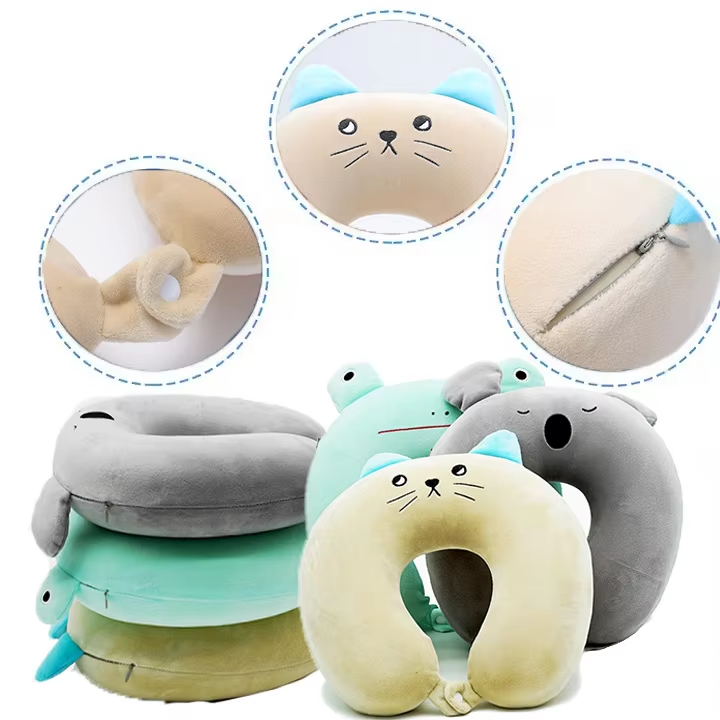
Long-haul flights, overnight trains, and multi-hour coach rides quietly take a toll on the spine. A u-shaped pillow addresses the problem at its source: the unsupported gap between the seat headrest and the side of the neck. Without lateral cradling, the head drifts, the muscles tense, and sleep posture collapses within minutes. The result is a stiff neck on arrival and a tired passenger who remembers the discomfort more than the destination. This guide explains the neck-protection mechanism behind contoured travel cushions and why procurement teams now treat them as standard comfort equipment rather than optional extras.
The seated body expects a vertical spine and a head centered above the shoulders. Once sleep arrives, the neck flexors relax and gravity wins. The chin drops toward the chest, compressing the cervical spine and stretching the posterior ligaments. Repeated micro-loads over a two-hour journey accumulate into stiffness and headache. A closer look shows the risk is not the fall itself but the sustained awkward angle. Lateral stability is what the seated sleeper actually loses. For fleet operators, that instability turns into complaints and refund requests, a hidden cost a proper support cushion removes before the route starts. A u-shaped pillow counters this by restoring the side wall the seat forgot to provide.
A standard rectangular cushion under the neck does little once the head rolls sideways. Flat foam offers softness but no directional guidance, so the skull simply finds the nearest hard surface: a window, a metal frame, or the shoulder of a stranger. Viscoelastic material on its own cannot fix alignment if the shape is wrong. That is why travel comfort depends less on thickness and more on the contour that wraps the neck from both sides. Passengers end up waking with a crick and blaming the seat, when the real gap was the missing side support. A u-shaped pillow solves what flat foam cannot on a moving train.
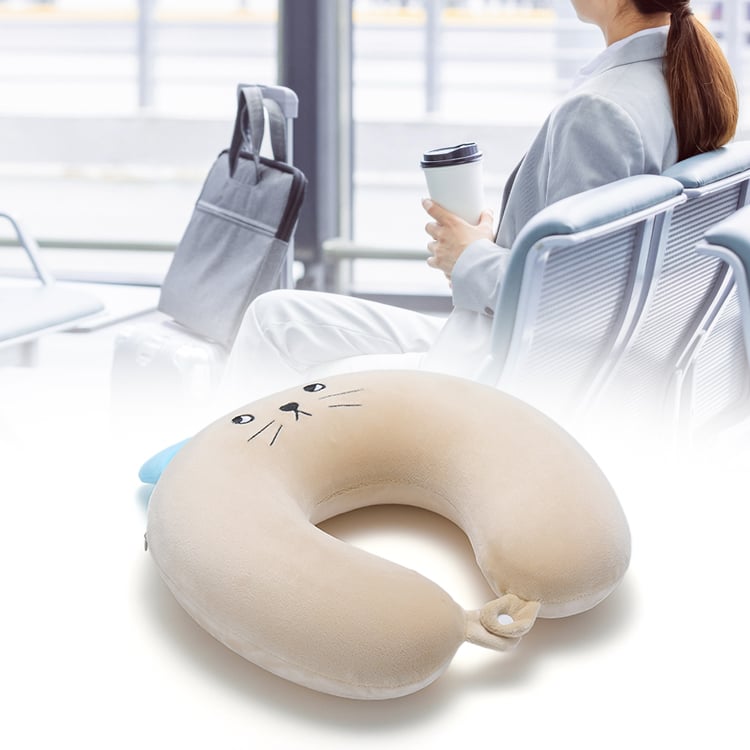
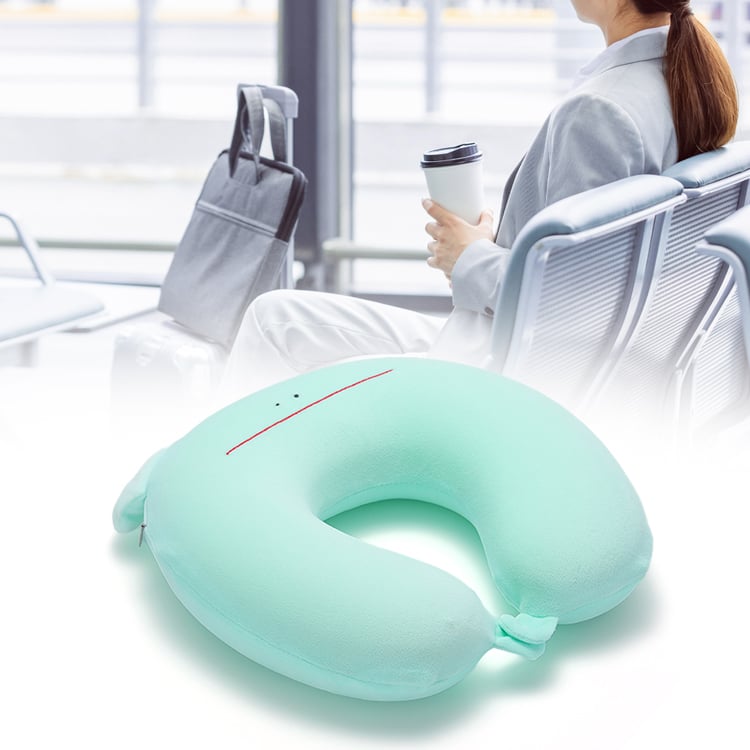
To understand protection, picture the u-shaped pillow as two arms cradling the cervical spine from left and right. The contoured channel holds the head near neutral, so the sternocleidomastoid muscles stop fighting gravity. Memory foam responds to body heat, softening where pressure builds and keeping a stable wall on the outer side. This lateral support is the mechanism that prevents the sudden head-drop and the whiplash-like jerk that wakes a passenger. Alignment, not softness, is what keeps the neck safe.
Motion is the enemy of rest. A quality cushion uses slow-rebound viscoelastic foam that reshapes after each jolt instead of bottoming out. Pressure relief comes from distributing load across the contact area rather than pinching one spot. The open-cell structure also helps breathability, keeping the cover cooler on a warm cabin. For buyers, foam density matters: too low and the wall collapses, too high and the neck feels rigid. The right balance sustains support across a full overnight route. Selecting the right u-shaped pillow keeps that balance steady from boarding to arrival.
Take the case of a regional coach operator running 12-hour cross-province routes. Passengers complained about neck pain and poor sleep, dragging down repeat-booking rates. The operator added contoured u-shaped pillow units to every seat and trained drivers to offer them on boarding. Within one season, complaint logs fell and rest quality improved noticeably. The change cost little yet shifted passenger perception from tired to cared-for. Procurement value here was not luxury but reduced friction and stronger loyalty.
Airline and rail buyers face the same physics with higher stakes. Amenity-kit programs now include a compact travel cushion because cabin sleep quality drives satisfaction scores. A foldable design slips into a seat pocket and deploys in seconds, letting travelers hold sleep posture through turbulence. Feedback loops from cabin crews help suppliers refine contour depth and cover fabric. For procurement teams, the lesson is to test samples on a real route before committing to a large order.
Trustworthy sourcing starts with the material. Request a washable removable cover and confirm the foam passes EU material inspection for dust-mite resistance. Check the contour shape against a range of neck sizes, since one mold rarely fits all. A small-batch flexible supply lets buyers pilot a run before scaling. Ask suppliers about OEM and ODM customization for logo and fabric. Ergonomic design should reference recognized guidance such as ISO 26800 on general ergonomics principles, which frames how posture support is evaluated. Request a physical sample rather than relying on photos, because contour feel and foam response only show under real use.
Care protects the investment. Remove the cover weekly on high-turnover fleets and wash at the temperature the label states; the mesh breathable design dries faster than solid fabric. Keep foam cores away from direct sun to preserve rebound. Rotate stock so older units ship first, and inspect seams before each busy season. A simple care routine extends usable life and keeps hygiene credible for passengers who reuse shared cushions across routes. A clean u-shaped pillow keeps that hygiene promise trip after trip.
A u-shaped pillow earns its place in travel procurement by solving a measurable problem: the unsupported neck. The mechanism is simple to state and hard to fake — contoured lateral walls hold the cervical spine near neutral, slow-rebound foam absorbs motion, and breathable washable covers keep hygiene manageable on long routes. Buyers who pilot a small batch, inspect contour fit, and maintain stock properly turn a modest cushion into a quiet upgrade that passengers feel but rarely name.
What makes a U-shaped travel pillow different from a flat cushion?
Answer: A flat cushion only adds softness under the skull, while a u-shaped pillow wraps the neck from both sides with contoured walls. That lateral cradle stops sideways head-drop and keeps the cervical spine closer to neutral during sleep. The difference shows on a moving seat, where flat foam lets the head find the window or a stranger's shoulder. Contour shape, not thickness, is what protects the neck in transit.
How should buyers test neck support before a bulk order?
Answer: Request physical samples rather than judging from photos, because foam response and contour feel only appear under real use. Place the cushion on an actual seat and check whether the head stays near neutral when it leans sideways. Compare rebound speed after a firm press, and confirm the cover removes for washing. A short pilot on one route reveals fit problems that a catalog page hides, saving costly returns later.
Which material suits long-haul travel comfort?
Answer: Slow-rebound viscoelastic memory foam suits long routes because it reshapes after each jolt instead of staying compressed. The open-cell structure supports breathability, and a washable cover keeps hygiene manageable on busy fleets. Avoid very low-density foam that collapses under the cheek, and very high-density foam that feels rigid against the neck. The right balance holds support through a full overnight journey without overheating the passenger.
Can the cover be washed on a busy fleet schedule?
Answer: Yes, when the design uses a removable cover. Pull it off the foam core weekly on high-turnover vehicles and wash at the label temperature; a breathable mesh dries faster than solid fabric. Keep cores away from direct sun to preserve rebound, and rotate stock so older units ship first. A simple routine protects passengers and keeps shared cushions credible across many routes without extra staff time.
Why does lateral support reduce passenger neck strain?
Answer: The seated sleeper loses side stability first, so the head rolls until muscles tense to catch it. Lateral walls from a contoured cushion hold the skull near center, letting the neck flexors rest instead of working all night. Less static load means less morning stiffness and fewer complaints. Support on both sides also absorbs the small jerks of travel, so passengers arrive with the neck they left home with.

Established in 2007, Welldo is a manufacture and trader specialized in the research, development and production of all kinds of memory foam pillows. We are located in Xiamen, with convenient transportation access. All of our products comply fit international quality standards and are greatly appreciated in a variety of different markets throughtout the world. In order to further enhance the company's strength and competitive edge, and at the same time respond to the call of the country