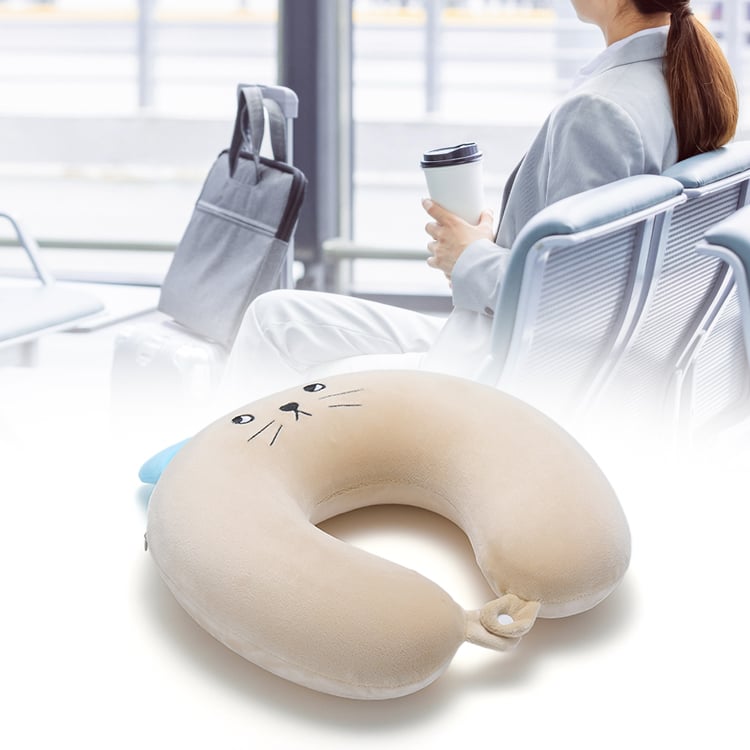
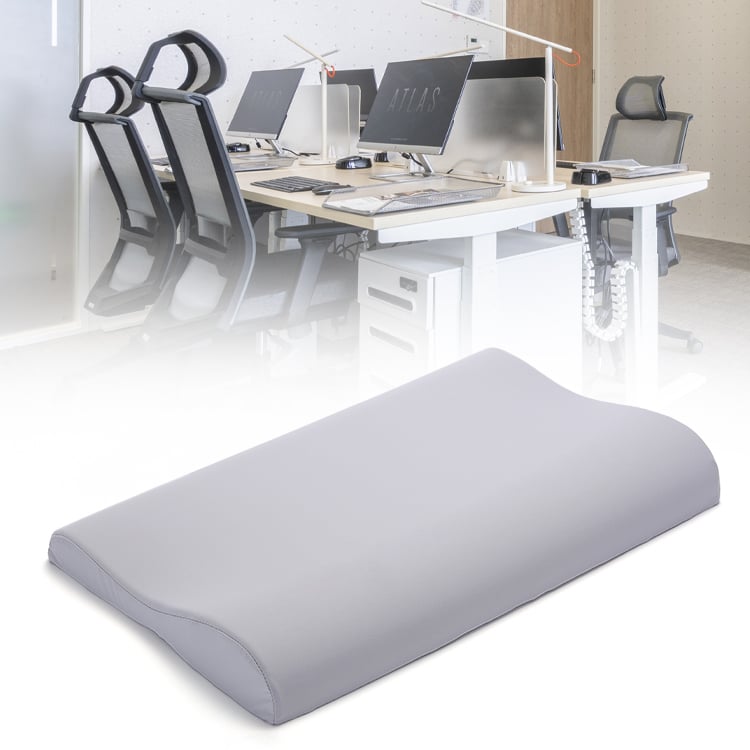
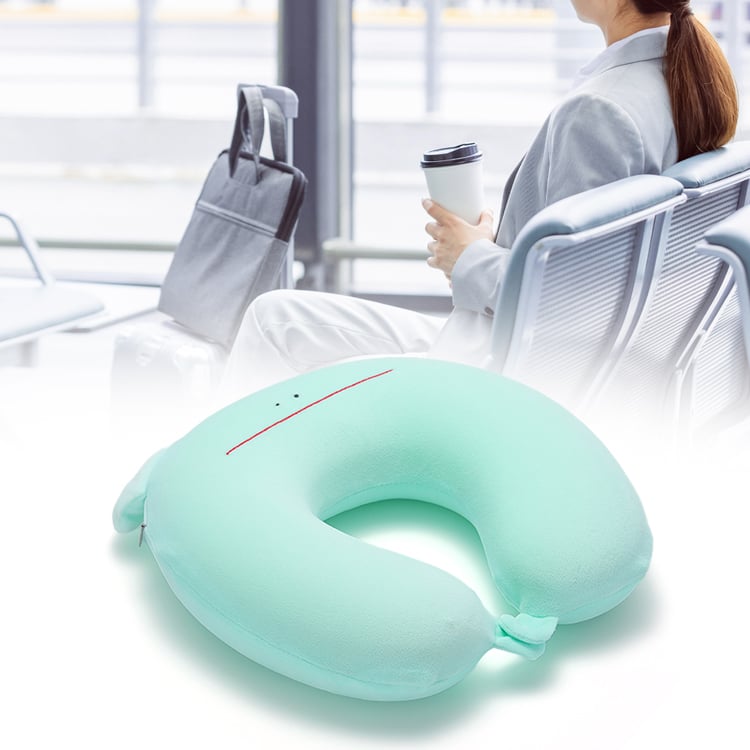
EN




Standard pillows are built to one average shape, which rarely fits the range of body types a distributor or hotel chain actually serves. A custom pillow lets a buyer define foam density, contour and cover so the product matches a specific user group instead of a generic compromise. That control changes both the sleeping experience and the commercial result for the brand that sells it.
A custom pillow solves the core problem that off-shelf models ignore: people differ in shoulder width, neck length and preferred sleep posture. A single standard loft pushes the cervical spine out of alignment for broader or narrower frames, which reduces pressure relief and comfort. When a retailer stocks only generic sizes, returns climb and repeat purchase drops because the product rarely fits the end user well.
A custom pillow program lets a brand own a distinct shape, fabric and label that customers recognize and request by name. Reselling identical pillows sourced from any marketplace blurs a company's identity, because the product, cover and packaging look the same as everyone else's. That sameness pushes purchasing decisions toward price alone, squeezing margin and eroding trust. Customization keeps the offering recognizable on reorder and supports a defensible shelf position.
The commercial risk is quiet but real. Generic inventory that does not fit the customer base ties up working capital in slow-moving stock and invites markdowns. Worse, a weak product experience travels back to the reseller's name, not the factory's, so the brand absorbs the complaint. Controlling the specification is how a buyer moves that risk upstream to a managed, documented process.
For a custom pillow, the manufacturer adjusts the viscoelastic formulation rather than shipping a fixed block. Memory foam softens under body heat and spreads load across the contact surface. By tuning foam density and rebound time, support is set for side, back or stomach sleepers. A higher-density core holds alignment for heavier users; a softer top layer adds pressure relief at the shoulder. This is the technical reason a tailored shape outperforms a generic one.
The outer cover carries both function and brand signal. A breathable mesh fabric improves airflow and reduces heat buildup during sleep, while a washable removable cover extends usable life and supports hygiene programs. For B2B buyers, the label, hangtag and carton become shelf and warehousing assets. Owning those details keeps the product consistent from factory to store and protects the brand story across every market. Advise end users to wash the cover at low temperature and air the foam core periodically; this preserves breathability and hygiene through the product's service life.
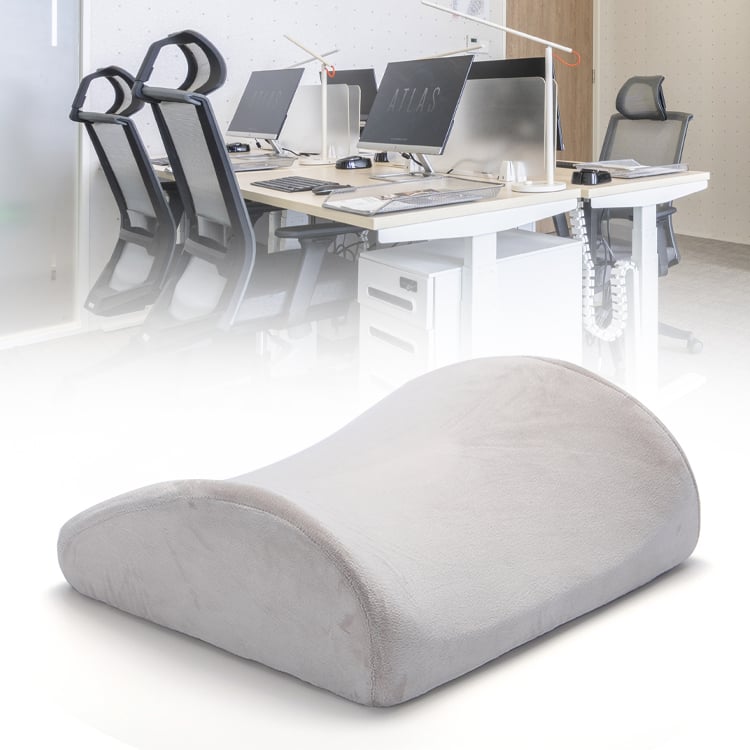
Take the case of a regional hotel group that replaced standard pillows across 40 properties. Guests reported neck stiffness and left repeated complaints, while housekeeping discarded stained generic covers that could not be washed. The group moved to a custom pillow with a medium-density memory foam core and a washable removable cover in the hotel's house color, plus a stitched logo. Complaint rates dropped and the pillow became a recognized part of the stay. The procurement team later extended the same specification to a lumbar cushion for lobby seating.
Specification control on a custom pillow means the buyer sets the variables that matter: foam formulation, pillow size, contour height, cover composition and stitching. Through OEM and ODM customization, the buyer chooses between a fully owned design and a co-developed shape built on existing tooling. EU material inspection and REACH-aligned checks confirm that foams and textiles meet market access rules before shipment. A clear specification sheet also shortens sampling cycles, because the factory validates against documented targets rather than guessing at intent.
A custom pillow with low MOQ removes the risk of launching an unproven shape. A buyer can test a contour pillow with a small minimum order, read market response, then scale the winning variant. That freedom suits boutique hotel groups, regional distributors and e-commerce brands that cannot tie capital to a container of one fixed SKU. Low MOQ turns product development from a blind bet into a measured experiment with real feedback.
Procurement teams should request pre-production samples matched to the agreed specification, then audit the first article against density, dimension and cover claims. During the run, periodic checks on sewing, zipper function and foam uniformity catch drift early. A documented inspection checklist, shared with the supplier, prevents silent changes that surface only after goods reach the warehouse and the selling season has started.
Reference ergonomics guidance such as ISO 26800 when defining comfort and posture targets, and require EU material inspection for markets under REACH. For seating and cushion lines, ANSI/BIFMA gives a recognized benchmark for durability and load. These standards give buyers objective language to specify, inspect and reject, replacing vague soft or firm notes with measurable, defensible requirements that survive audit and complaint.
A custom pillow turns a commodity purchase into a controlled product decision. Compared with standard off-shelf models, it delivers fit for real body types, brand ownership through label and cover, and the small-batch flexibility to test before scaling. For B2B procurement, the advantage is concrete: lower return risk, stronger shelf identity and specifications that meet recognized ergonomics and material standards.
How does a tailored pillow reduce return risk for distributors?
Answer: A custom pillow matched to a defined user profile fits more sleepers on first use, which lowers the mismatch returns that generic sizes generate. Specifying foam density, contour height and cover up front removes guesswork at the warehouse. Distributors then stock a product with a known fit window instead of a one-shape compromise, so fewer units come back and shelf space stays productive.
What specifications should buyers define before production?
Answer: Buyers should lock foam formulation, pillow size, contour height, cover composition, zipper type and stitching before the first sample. Documenting these targets in a specification sheet lets the factory validate against measurable points rather than vague notes. Clear specs also shorten sampling cycles and reduce the chance of silent changes during the run. Inspect the first article against the sheet before approving volume.
Why does low MOQ matter for new product lines?
Answer: Low minimum order quantities let a brand test a new shape without committing a full container of capital to one unproven SKU. A small pilot run reveals real market response, then the winning variant scales while weak ones retire early. This protects cash flow and shelf space for distributors and hotel groups that cannot afford blind bets on fixed inventory.
Which material checks apply to EU market access?
Answer: For EU market access, require material inspection that confirms foams and textiles meet REACH substance limits and related directives. Ask for documentation on foam formulation and cover composition before shipment. These checks reduce the risk of blocked customs and recalled stock. Pair them with ergonomics references such as ISO 26800 so comfort claims rest on recognized guidance rather than opinion.
Can a tailored pillow carry a private-label brand?
Answer: Private-label branding is straightforward when specifications include the label, hangtag and carton as part of the build. The factory applies the buyer's logo, fabric color and packaging so the finished pillow reaches the shelf as a distinct product. This protects brand identity and supports reorder by name, turning a commodity foam item into a recognizable asset for the selling company.

Established in 2007, Welldo is a manufacture and trader specialized in the research, development and production of all kinds of memory foam pillows. We are located in Xiamen, with convenient transportation access. All of our products comply fit international quality standards and are greatly appreciated in a variety of different markets throughtout the world. In order to further enhance the company's strength and competitive edge, and at the same time respond to the call of the country