EN



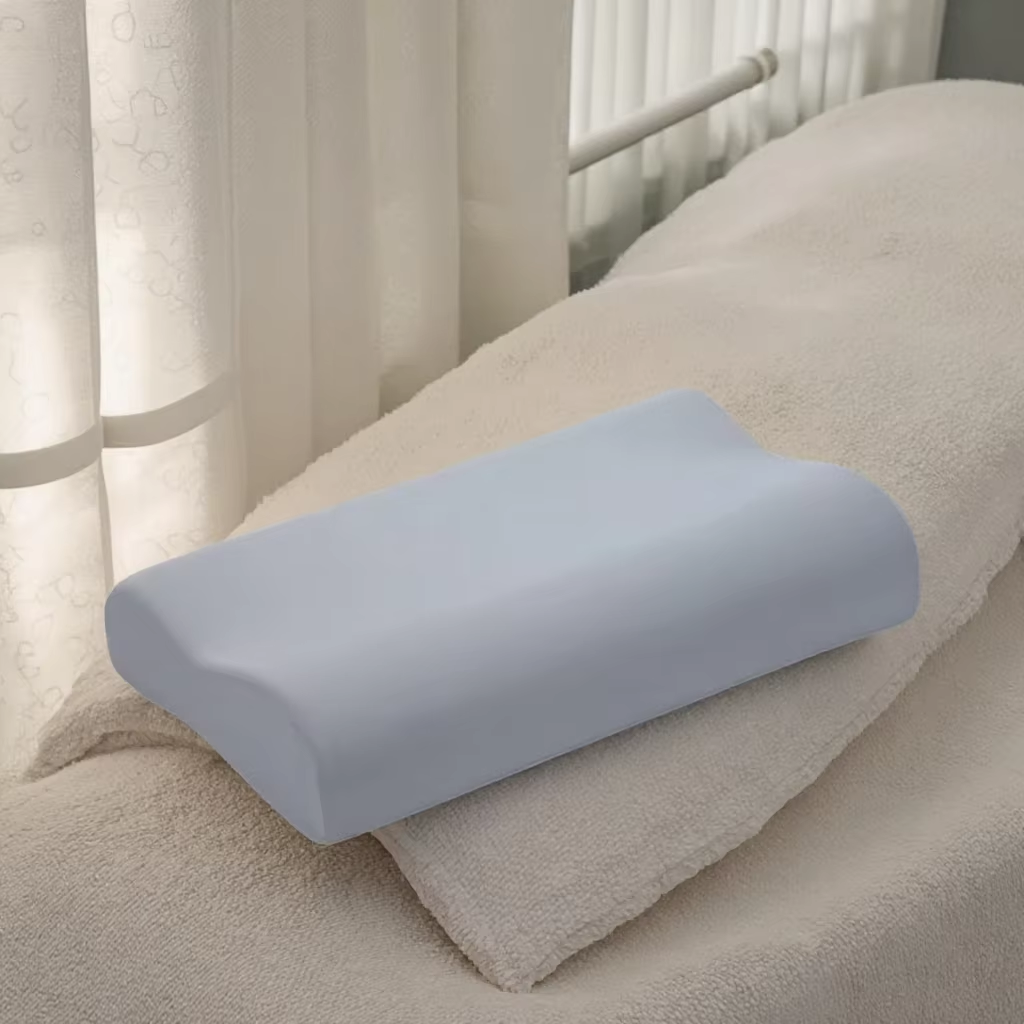
Choosing the right sleep pillow is less about softness and more about geometry. The cervical spine holds a natural inward curve, and the pillow's job is to keep that curve supported while the body rests. Height decides whether the neck stays neutral or bends sideways for hours. For distributors, hotel buyers, and elder-care procurement teams, getting height wrong means returns, complaints, and poor sleep outcomes. The practical method below shows how to match height to the sleeper.
A sleep pillow that sits too high pushes the cervical spine into flexion, flattening the natural lordosis. Too low, and the head drops, overextending the neck toward the mattress. Neither position is neutral. The cervical vertebrae align well when the ear, shoulder, and hip form a straight line. Memory foam works here because viscoelastic material contours to the head's weight and redistributes pressure instead of fighting it. A closer look shows small height differences of 1–2 cm shift load across the upper trapezius and suboccipital muscles. That is why contour shaping and measured height beat guesswork. Pressure relief improves when the contour matches the skull base, lowering peak load on the cervical facet joints.
The wrong sleep pillow height is a slow problem. Muscles stay contracted to hold the head up, which limits blood flow and raises morning stiffness. Too-high pillows are linked with tension across the shoulders and cervicogenic headaches. Too-low options let the chin tuck, narrowing the airway and worsening snoring. For procurement, this translates into guest or resident dissatisfaction that shows up as negative reviews and higher replacement rates. Risk control starts with matching height to shoulder width, not with decorative features.
Side sleepers need the tallest support because the gap between the ear and the mattress equals roughly shoulder width. Measure from the side of the neck to the outside of the shoulder, then choose a sleep pillow that fills that gap so the spine stays horizontal. A typical adult shoulder span of 12–16 cm maps to a 10–14 cm pillow lobe. Contour designs with a higher side bolster suit this group, keeping the cervical spine parallel to the bed.
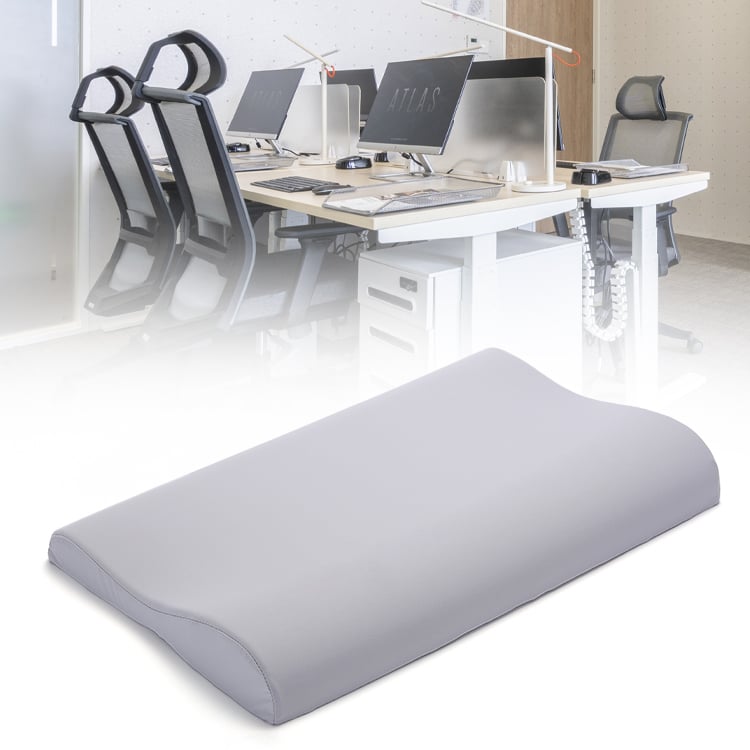
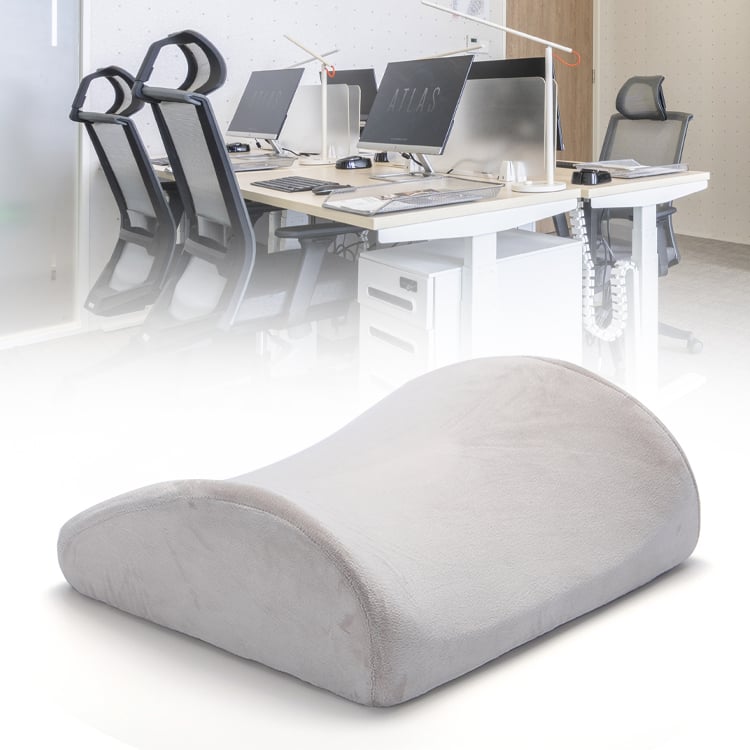
Back sleepers need a thinner, contoured sleep pillow profile. The neck's natural lordosis requires a smaller cushion under the curve, while the head rests lower. A pillow with a central depression and a raised cervical roll supports the gap without pushing the chin forward. In practice, a 6–10 cm lobe works for most adults. Neutral alignment here means the forehead and chin sit level, so the airway stays open and the suboccipital muscles relax. A removable cervical roll lets staff fine-tune the gap without changing the whole unit. Stomach sleeping is the hardest on the cervical spine because the head turns to one side for hours. The safest choice is a very thin, almost flat support or none at all, paired with a softer mattress topper. Procurement teams stocking for mixed populations should offer a low-profile option so guests can self-select. A thicker contour here increases rotation strain on the facet joints, so keep height minimal.
A regional senior-care operator expanded a 60-bed wing and faced repeated complaints about neck pain and poor night rest. Standard one-size foam sleep pillow products failed residents who used wheelchairs and had narrower shoulder profiles. The procurement lead needed a measurable approach rather than relying on catalog photos. Morning care staff reported more stiffness and requests for pain relief, which signaled a posture problem tied to support height. Documented shoulder measurements turned a complaint log into a sizing guide for new admissions.
The team trialed two height profiles — a 9 cm contour for narrower residents and a 12 cm version for broader shoulders — using washable removable covers for hygiene. After four weeks, care staff logged fewer nighttime awakenings and less morning stiffness. Residents with the matched height kept a straighter cervical line on observation. The effect came from neutral alignment, not from fancy materials. For buyers, testing two heights before a bulk order prevents costly mismatches.
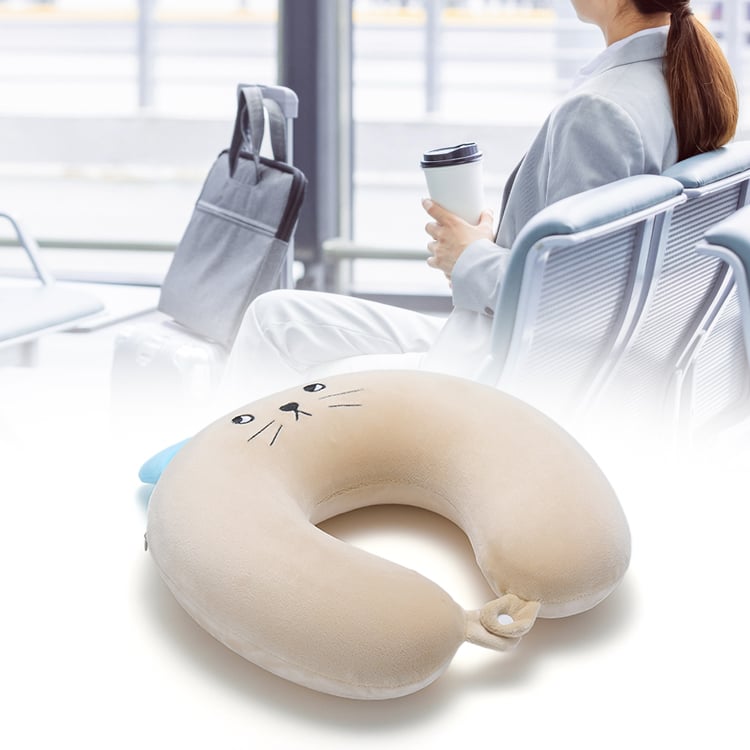
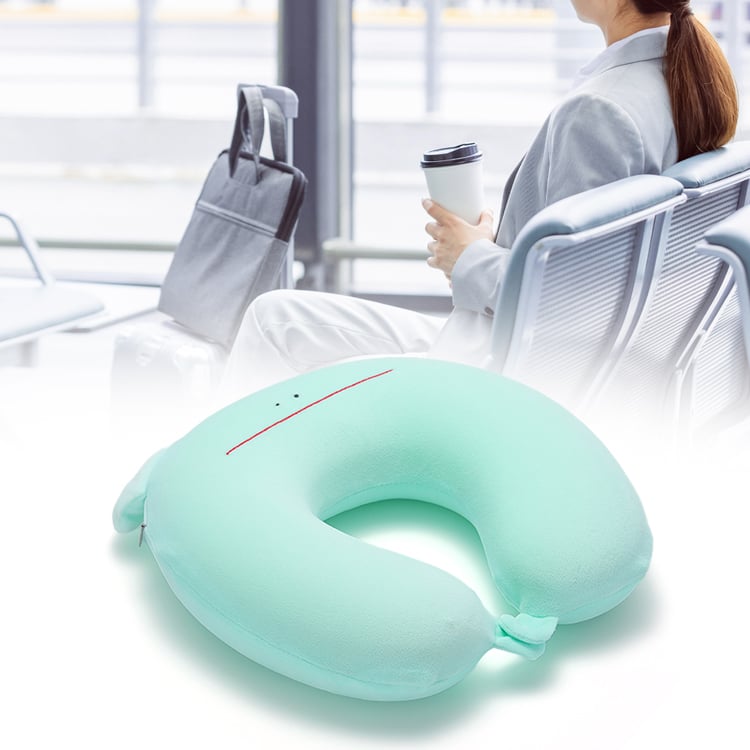
Inspect the foam density and rebound by hand: quality viscoelastic recovers slowly without permanent dents. Check the contour shaping for a defined cervical roll and a central valley. Breathable mesh covers help with heat, and dust-mite resistant treatment supports hygiene in shared rooms. Ask suppliers for EU material inspection records and small-batch flexible supply so a trial run stays low-risk. Foldable travel versions extend the program to transport and home-care use.
Removable covers should be washable and replaced on a schedule; foam cores need airing, not machine washing. Rotate stock so older units reach users first. For elder-care and hotel settings, keep a documented height-by-shoulder-width chart at the point of use so staff match each sleeper quickly. ISO 26800 ergonomics guidance supports this measured, user-centered approach to sleep products and reduces the guesswork in bulk procurement. A monthly visual check for foam hardening keeps support consistent across the contract period.
The right sleep pillow height keeps the cervical spine in neutral alignment, whether the user sleeps on the side, back, or stomach. Measure shoulder width, match the lobe to the gap, and test two profiles before committing to a bulk order. Wrong height strains muscles and raises complaints, while matched support improves rest and cuts returns. For B2B buyers, a simple height chart and a small trial batch deliver measurable value with low risk.
How is pillow height measured for side sleepers?
Answer: Side sleepers need the tallest support because the gap between the ear and mattress equals shoulder width. Measure from the side of the neck to the outside of the shoulder, then pick a loft that fills that space so the spine stays horizontal. A typical adult span of 12–16 cm maps to a 10–14 cm pillow lobe. Contour bolsters keep the cervical spine parallel to the bed.
Why does a pillow that is too high cause neck pain?
Answer: A loft that is too high pushes the cervical spine into flexion and flattens the natural lordosis. Muscles stay contracted to hold the head up, which limits blood flow and raises morning stiffness. Tension spreads across the shoulders and can trigger cervicogenic headaches. For procurement buyers, this shows up as complaints and higher replacement rates. Matching height to shoulder width is the first line of risk control.
Which material suits a cervical contour pillow for bulk orders?
Answer: Viscoelastic memory foam suits bulk procurement because it contours to head weight and recovers slowly without permanent dents. A breathable mesh cover with a washable removable layer supports hygiene in hotels and care homes. Ask suppliers for EU material inspection records and small-batch flexible supply so a trial stays low-risk. A single sleep pillow profile rarely fits every user, so stock two heights. Foldable travel versions extend the program.
Can a thin pillow help stomach sleepers?
Answer: Stomach sleeping rotates the head to one side for hours, which is the hardest position on the cervical spine. A very thin, almost flat support reduces rotation strain on the facet joints compared with a thick contour. Pair it with a softer mattress topper so the hips stay level. Procurement teams serving mixed groups should stock a low-profile option so guests can self-select the right loft.
What does ISO 26800 say about sleep product ergonomics?
Answer: ISO 26800 sets general ergonomics principles for fitting products to users rather than forcing users to adapt. Applied to bedding, it supports a measured, user-centered approach: match loft to shoulder width and document a height chart at the point of use. This reduces guesswork in bulk procurement and helps staff match each sleeper quickly. The standard does not name a single correct height, so testing two profiles remains sound practice.

Established in 2007, Welldo is a manufacture and trader specialized in the research, development and production of all kinds of memory foam pillows. We are located in Xiamen, with convenient transportation access. All of our products comply fit international quality standards and are greatly appreciated in a variety of different markets throughtout the world. In order to further enhance the company's strength and competitive edge, and at the same time respond to the call of the country