EN



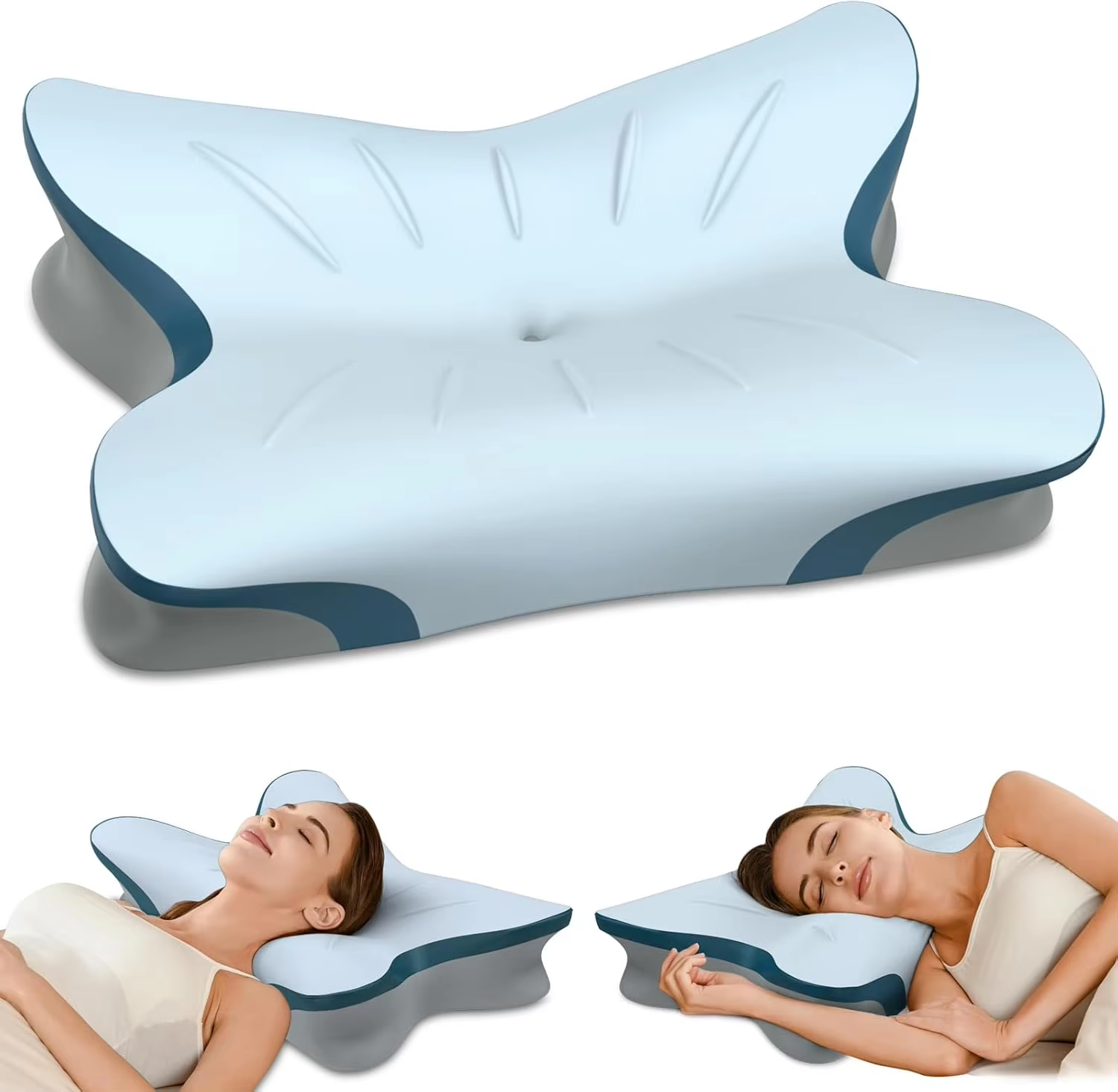
Picking the right footrest is not only about height. In warm offices and long shifts, a poorly chosen surface turns into a heat trap under the desk. Buyers who overlook airflow end up with products that feel clammy after an hour, and the problem compounds in summer or in rooms with weak ventilation. Heat buildup also feeds odor and skin irritation, which is why material choice drives everyday comfort more than most specs suggest.
A footrest traps heat when the top layer blocks air movement and holds moisture against the skin. Solid plastic and sealed wood leave nowhere for warm air to escape, so the contact zone warms quickly. The issue grows with bare feet or thin socks in summer. Open structures such as mesh or ventilated foam let air pass through, carrying heat away, while moisture-wicking surfaces draw sweat off the skin. Material choice therefore matters more than softness, since steady airflow under the feet decides daily comfort.
Take the case of a regional call-center operator that equipped 400 seats with foam footrest models lacking ventilation. Agents reported warm, sweaty feet by mid-shift, and comfort complaints rose through summer, nudging shorter breaks and lower focus. The procurement lead swapped them for mesh-topped designs with a contoured base. Within weeks, discomfort tickets dropped and agents kept feet planted longer, improving posture. The change cost little yet lifted daily comfort noticeably, showing how material choice shapes real workloads.
Mesh fabric wins on raw airflow. Its open weave passes air freely, so heat barely accumulates during long seated blocks. Comfort is firm rather than plush, which suits users wanting stable support. Memory foam with a ventilated cover adds cushioning through an open-cell structure that releases warmth instead of storing it. The foam cradles the heel and arch, while the breathable cover manages moisture through light wicking. For buyers balancing softness and air movement, this pairing answers the need for a cool, supportive footrest in busy offices.
Wood looks tidy and wipes clean, yet its solid surface traps heat with no path for airflow. Plastic is light and cheap but often the warmest option, and it can feel hard under bare feet. Woven textile breathes better than wood or plastic and feels softer, though it holds sweat and needs regular washing. A buyer choosing a footrest for a warm climate should weigh these trade-offs carefully, since none match mesh or ventilated foam for cooling. Each still fits a setting: wood for reception desks, plastic for outdoor use, textile for low-heat rooms.
Sweat is the quiet enemy of shared seating gear. Warm, damp surfaces invite dust mites and odor, a real concern for B2B buyers supplying shift work. A removable, washable cover changes the equation: facilities can launder on a schedule and keep units fresh. WELLDO builds dust-mite resistant covers into its foam lines, and the breathable mesh design dries fast after cleaning. For procurement teams, specifying the right footrest starts with a washable, quick-dry cover, cutting long-term hygiene risk across a fleet of desks. A monthly wash cycle paired with airflow drying keeps the foam fresh and extends usable life between replacements.
New foam and plastics can release volatile compounds, a process called off-gassing. In enclosed offices this affects air quality and buyer confidence, especially during the first weeks of use. EU-bound orders should meet EN material-safety expectations for restricted substances, confirmed by supplier documentation. Requesting test reports before a bulk run protects both end users and the distributor's reputation. Specifying a ventilated footrest reduces this concern, and pairing it with ISO 26800 ergonomics guidance frames foot support as part of a healthy seated system rather than a standalone add-on.
For buyers, a short inspection list prevents costly returns. Check the cover is removable and machine washable, confirm the foam is open-cell rather than closed, and ask for EN material-safety paperwork on EU shipments. Sample a footrest in a warm room for a full shift before committing to volume. Small-batch supply helps here: WELLDO supports flexible order sizes, so procurement can validate comfort on a trial lot, then scale. Inspect stitching and base grip to avoid sliding on polished floors.
Daily habits extend product life. Rotate units between shifts so each dries fully, and launder covers on a fixed schedule. Keep foam away from direct sun, which breaks down the material faster. In practice, a simple care routine beats replacement: a quick wipe, airflow drying, and scheduled washing hold off odor and mites. For offices running long hours, this low-effort routine keeps the surface cool and presentable across the year, protecting the buyer's investment in comfort.
Material choice settles the breathability question more than any single feature. Mesh and ventilated memory foam lead on airflow and comfort, while wood, plastic, and textile each serve a narrower need. Hygiene and material safety matter as much as feel, especially for EU-bound bulk orders. A breathable footrest backed by washable covers and clear safety docs gives procurement a low-risk, comfortable win for desks that run all day.
What material keeps a footrest coolest during long shifts?
Answer: Mesh fabric leads on raw airflow because its open weave lets warm air escape instead of pooling under the feet. Ventilated memory foam follows closely, using an open-cell structure that releases heat while adding cushioning. Wood, plastic, and woven textile hold more warmth and suit cooler or low-use settings. For hot climates and long seated blocks, pair mesh with a washable cover so moisture clears quickly. Buyers should sample a unit through a full shift before committing to volume.
How does off-gassing affect foam products in closed offices?
Answer: New foam and some plastics release volatile compounds through off-gassing, which can dull air quality in sealed rooms. The effect fades as the material ages, yet it matters for bulk shipments and shared spaces. EU-bound orders should meet EN material-safety limits for restricted substances, backed by supplier test reports. Specifying low-emission foam and requesting documentation before a run protects end users and the distributor's name. A short ventilated storage period before dispatch also helps clear residual odor.
Which cover material is easiest to keep hygienic?
Answer: Removable, machine-washable covers win for shared use because facilities can launder on a fixed schedule and keep units fresh. A breathable mesh surface dries fast after washing, which limits dust mites and odor. WELLDO builds dust-mite resistant covers into its foam lines for this reason. Woven textile breathes yet holds sweat, so it needs more frequent care. For procurement, specifying washable, quick-dry material cuts long-term hygiene risk across a fleet of desks and lowers replacement needs.
How should buyers inspect a breathable model before a bulk order?
Answer: Check that the cover removes and washes, confirm the foam is open-cell rather than closed, and ask for EN paperwork on EU shipments. Sample one unit in a warm room across a full shift to judge heat buildup. Small-batch supply helps here: validate comfort on a trial lot, then scale. Inspect stitching and base grip so the unit stays put on polished floors. A short checklist like this prevents costly returns and keeps the product comfortable through daily use.
Where do ergonomic standards fit when selecting seating support?
Answer: ISO 26800 frames foot and leg support as part of a healthy seated system, not a standalone extra. ANSI/BIFMA guidance covers seating performance for contract use, useful when specifying shared furniture. EU buyers add EN material-safety checks for restricted substances. Together these references help procurement pick products that meet comfort and compliance needs without overselling. A breathable surface paired with sound support reduces fatigue across long shifts and gives distributors defensible specs to share with clients.

Established in 2007, Welldo is a manufacture and trader specialized in the research, development and production of all kinds of memory foam pillows. We are located in Xiamen, with convenient transportation access. All of our products comply fit international quality standards and are greatly appreciated in a variety of different markets throughtout the world. In order to further enhance the company's strength and competitive edge, and at the same time respond to the call of the country