EN



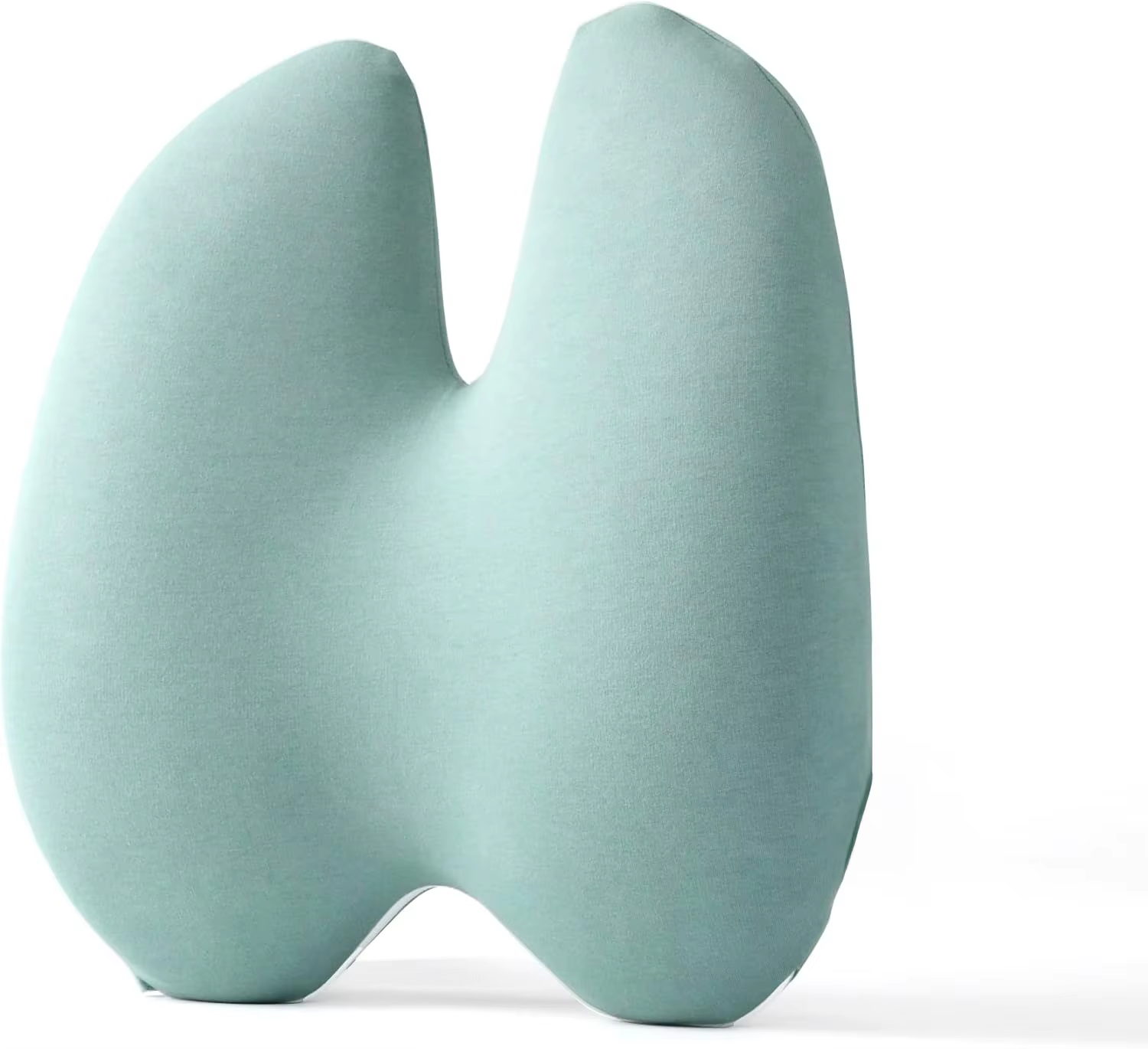
A herniated disc changes how a person should sit. The soft inner gel of an intervertebral disc pushes past its outer ring, and the nearby nerve root reacts with pain, numbness, or shooting discomfort down the leg. For someone in this condition, the wrong seat turns a normal workday into a flare-up. That is why choosing the right lumbar support is a clinical decision, not a comfort upgrade.
Take the case of an office-furniture distributor that supplied standard flat cushions to a logistics client. Drivers reported worse lower-back pain after two weeks, and the client threatened to cancel the contract. The distributor switched to contoured viscoelastic cushions matched to each truck seat's measured gap, then ran a two-week floor trial. Morning stiffness dropped and reorders followed. The difference was selection against the disc condition, not a catalog photo.
When a person sits, the pelvis rotates and the natural lordosis of the lower back flattens. This posture shifts body weight onto the lumbar discs instead of the surrounding muscles. The lumbar support must restore the inward curve so the vertebral column carries load through bone and ligament, not through a single compressed disc. The curve is individual, so tall and short users need different support heights. Measuring the chair-to-back gap is the first practical step before purchase.
Research into spinal mechanics shows intradiscal pressure rises in slouched positions. The nucleus pulposus, already displaced by the herniation, faces more squeeze when the lumbar region rounds forward. Without ergonomic lumbar support, the disc wall stays under tension for hours. Office workers and long-haul drivers feel this first as morning stiffness, then as radiating pain. In practice, the risk is slow progression of the injury. Selecting a cushion that holds the spine in neutral alignment reduces that mechanical load.
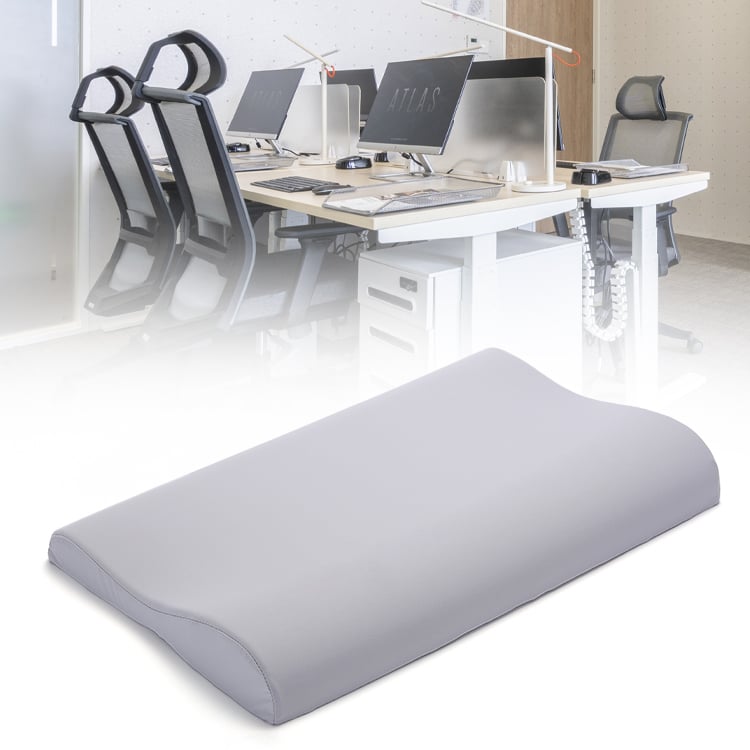
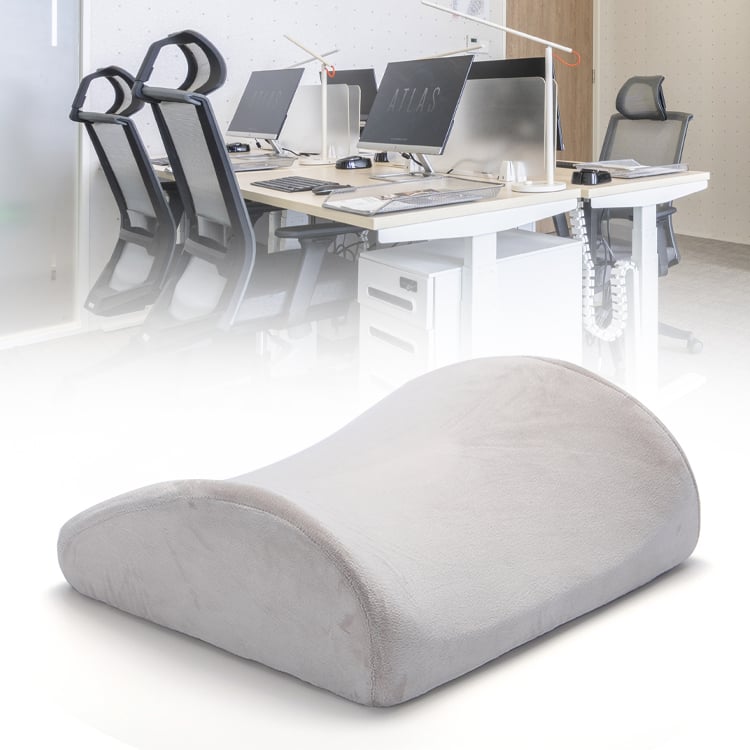
A good contoured cushion is not flat. Its curved profile matches the hollow of the lower back and pushes the pelvis into a slight tilt that opens the disc space. Memory foam, a viscoelastic polyurethane material, adapts to the shape instead of forcing the body to adapt to it. The rebound of the foam should be slow, so pressure relief spreads across the contact area rather than concentrating at one point. For a herniated disc, contour geometry matters more than thickness. Buyers should test the curve against their own anatomy, not trust a photo.
Firmness is where many procurement mistakes happen. A cushion that is too soft lets the pelvis sink, collapsing the lumbar curve the product was meant to create. One that is too hard creates a pressure hotspot at the spinous process and irritates soft tissue. The right density supports the lumbar spine without bottoming out. Medium-firm viscoelastic foam suits most adults; heavier builds need higher density. Disc sensitivity varies, so a sample trial on the intended chair is the safest check before a bulk order.
Support that sits too high presses the thoracic region and does nothing for the injured level. Support too low slides into the sacrum and encourages slouching. The useful zone is the lumbar curve between the lowest rib and the hip crest. Procurement teams should measure several seat backs, because chair geometry differs by model. The right lumbar support fills that measured gap without lifting the shoulders. Height and depth of the cushion should match the gap. A product with adjustable straps helps hold position when users shift during the day.
Positioning relative to the lumbar curve decides whether the cushion helps or harms. The pad should sit so its thickest point aligns with the navel-to-hip level when seated, roughly the L1 to L5 vertebrae. If it rides too high, it pushes the middle back forward and increases shear at the disc. Many users place it incorrectly against the shoulder blades, which defeats the purpose of the lumbar support. Demonstrating correct placement during onboarding prevents that wrong habit.
For distributors and fleet buyers, inspecting a lumbar support before a bulk order protects both the user and the brand. Check the foam density by feel and by compression test, confirm the removable cover is washable, and verify breathability through the mesh design. Dust-mite resistant and hypoallergenic treatments matter in shared or hot environments. Ask suppliers for EU material inspection records and small-batch flexibility if customization is needed. A breathable, well-finished cushion keeps hygiene acceptable across shifts and reduces return risk.
Rollout should include a short trial on the actual chair, not a showroom seat. Users report fit only after a full shift. Covers should be removed and washed on a schedule; memory foam itself stays dry and aired. Foldable travel use helps drivers who move between vehicles. In practice, a simple lumbar support inspection card with the model, density, and cleaning rule keeps the program consistent. Replace cushions when the foam loses rebound, because a flattened pad no longer holds alignment.
Selecting lumbar support for a herniated disc is a measured clinical choice, not a generic comfort buy. The contour must follow the natural lordosis, the firmness must hold the lumbar spine without creating pressure points, and the height must land on the injured vertebral level. Poor fit risks worsening the disc and the user's recovery. For procurement teams, inspecting foam density, breathable covers, and correct positioning turns a simple cushion into real ergonomic protection backed by standards such as ISO 26800.
What should a cushion for herniated disc feel like?
Answer: The cushion should hold the lower back in a gentle inward curve without sharp pressure. Pressure relief comes from slow-rebound memory foam that spreads load across the contact area. A correct fit feels supportive, not pushing or sinking. Users often notice less leg tingling after a full seated shift. Test on the real chair, because showroom seats hide poor fit. Comfort that appears in the first minute still needs a full working day to confirm.
Why does firmness matter more than thickness for disc issues?
Answer: Thickness only adds bulk, while firmness controls whether the lumbar curve is actually restored. A thick but soft pad collapses under body weight and lets the pelvis drop, increasing load on the injured disc. Medium-firm viscoelastic foam holds alignment without a pressure hotspot at the spine. Heavier users need higher density to avoid bottoming out. Firmness, not size, decides if the cushion protects the herniated level during long sitting.
How high should the cushion sit on the back?
Answer: Its thickest point should align with the navel-to-hip region when seated, covering roughly the L1 to L5 vertebrae. Placing it too high pushes the mid-back forward and raises shear at the disc. Too low, it slides into the sacrum and encourages slouching. Measure the gap between chair and small of the back first. Correct vertebral level is what makes the contour useful rather than decorative for a herniated disc.
Which material suits a shared workplace cushion?
Answer: A dust-mite resistant, hypoallergenic memory foam with a washable removable cover works for shared use. The breathable mesh design keeps the surface dry across shifts, and the viscoelastic core gives consistent pressure relief. EU material inspection records add confidence for procurement. Avoid open-cell foams that trap odor. For fleets moving between vehicles, foldable travel models keep the same support. Hygiene and foam density matter more than color or branding.
Can a wrong lumbar support make disc pain worse?
Answer: Yes. A pad placed too high or too firm can push the spine into an unnatural arch and raise intradiscal pressure on the injured level. One that is too soft lets the pelvis sink and collapses the curve the user needs. Both mistakes increase shear and delay recovery. That is why sampling on the actual chair and checking foam density before a bulk order protects the user. Correct selection turns a simple cushion into real ergonomic protection.

Established in 2007, Welldo is a manufacture and trader specialized in the research, development and production of all kinds of memory foam pillows. We are located in Xiamen, with convenient transportation access. All of our products comply fit international quality standards and are greatly appreciated in a variety of different markets throughtout the world. In order to further enhance the company's strength and competitive edge, and at the same time respond to the call of the country