EN



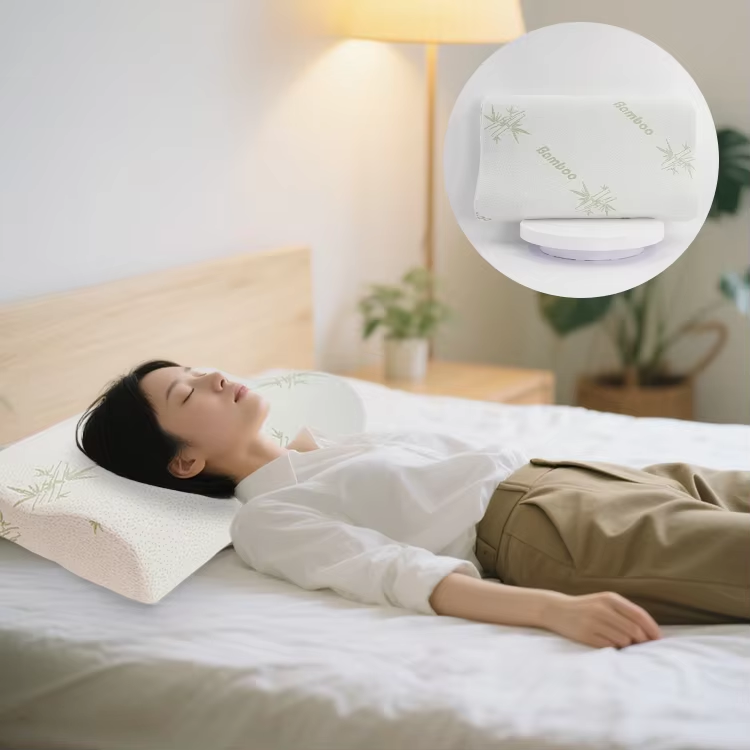
A memory foam pillow earns its place on the nightstand because it does something ordinary fill is not built to do: it softens around the head and slowly returns when pressure lifts. Sleepers notice the difference within a few nights, and that personal experience is exactly what pulls distributors, hotel buyers, and office-furniture brands toward the category. The appeal is not a marketing story. It comes from the physics of viscoelastic polyurethane foam and how that material behaves under a resting body.
The term memory foam pillow points to a viscoelastic material first developed for cushioning that needed to absorb and redistribute load. Under body heat and weight, the open-cell polyurethane structure yields locally, so contact points sink while the surrounding foam holds shape. When the load lifts, the material recovers at a measured pace rather than springing back instantly. That slow rebound is what gives the surface its adaptive, molding feel. The mechanism is physical, not decorative, and it scales from a single sleeper to a thousand-room hotel without changing the chemistry.
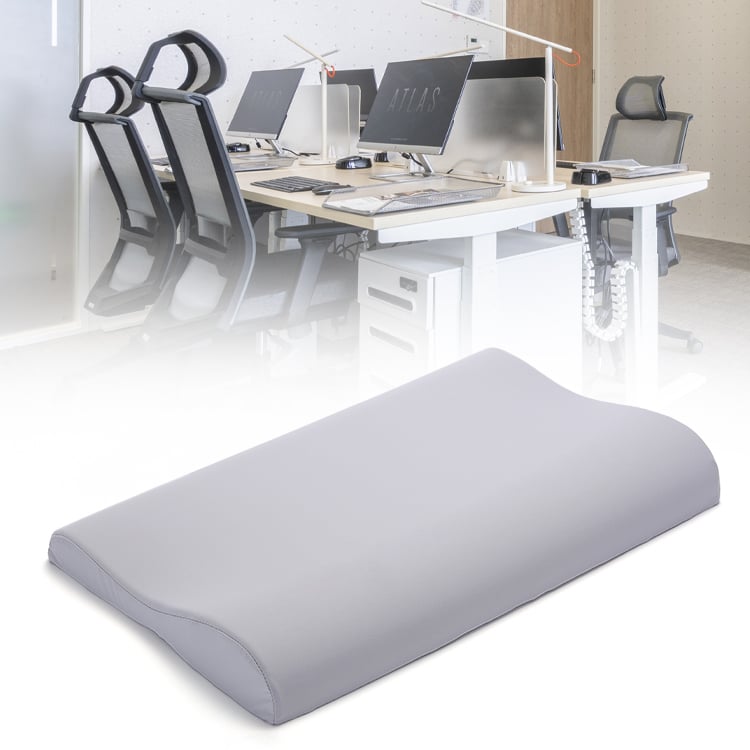
Pressure relief is the benefit most users describe first. A flat or overly firm surface concentrates force on the ear, cheek, and neck, which is why side sleepers wake with hot spots. Viscoelastic foam spreads that load across a wider contact area, dropping peak pressure at the points that touch hardest. Contour shaping takes the idea further: a shaped cervical profile keeps the head from tipping forward and lets the cervical spine hold a neutral line. For procurement buyers, the takeaway is consistent — fewer pressure-related complaints translate into fewer returns, and a well-chosen memory foam pillow becomes the quiet standard in the room.
Early foam had a reputation for trapping heat, and the criticism was fair for closed-cell versions. Modern products solve it with open-cell structure plus a breathable mesh cover that moves air through the surface. Density matters here: a well-specified core resists bottoming out while the cover manages the microclimate against the skin. Hypoallergenic, dust-mite-resistant properties add quiet value for allergy-sensitive guests and for healthcare and dorm settings where turnover is high. Comfort that lasts past the first week is what keeps a product on a buyer's reorder list.
At volume, the economics shift toward the material. A memory foam pillow ships flat-compressed, so cartons hold more units per pallet and freight per piece drops. Small-batch flexible supply lets a distributor test a SKU in one region before committing to a full container, which limits risk on a new line. OEM and ODM customization means the same foam platform can wear different covers, labels, and contour profiles for different retail partners. For a procurement manager, that flexibility is as valuable as unit price because it protects cash flow and shelf space.
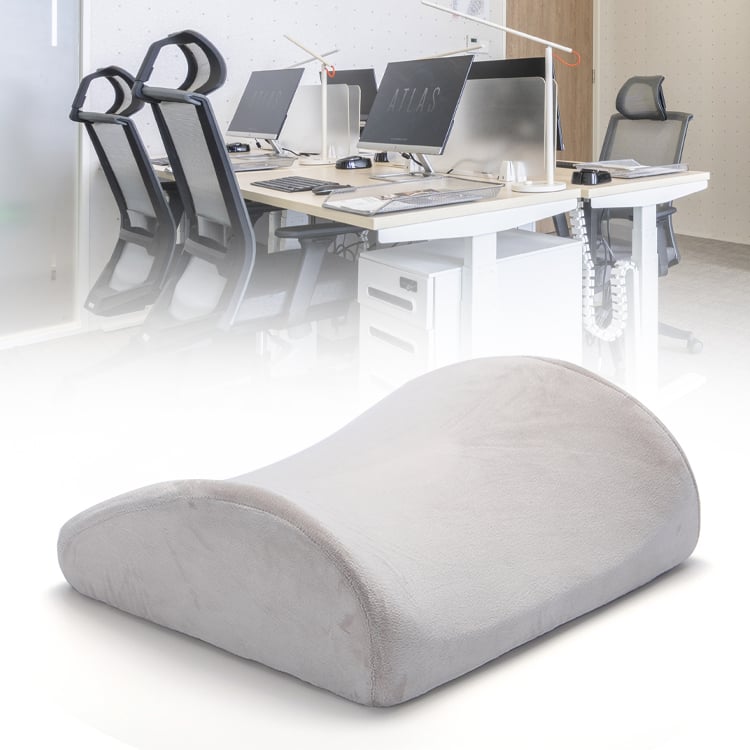
Durability explains the reorder story. A dense viscoelastic core does not lose its rebound the way fiber fill clumps or feathers migrate. Under a hospitality rotation of daily use and weekly laundering, a quality core holds support for years, and a removable, washable cover extends the wearable life even further. ANSI/BIFMA seating guidance and OSHA workplace ergonomics notes point the same direction: sustained, even support reduces strain over long sessions. The same principle applies to sleep surfaces and to seat and lumbar cushions built on the same foam.
Alignment is the quiet sell. When the head, neck, and shoulders sit in a neutral stack, the cervical spine is not asked to hold a twist through the night. ISO 26800, the ergonomics foundational standard, frames comfort as fit between the user, the task, and the environment — and a pillow is part of that fit. ISO 9241 covers ergonomic interaction in workstation design, and the mindset carries over: support the body's natural geometry instead of forcing it to adapt. A memory foam pillow that supports the cervical spine earns repeat specification from buyers who spec on function rather than on color or trend.
Take the case of a mid-size hotel group that saw a spike in guest-comfort complaints after switching to a low-cost polyester fill. The procurement lead ran a small pilot: one floor received a contoured memory foam pillow with breathable mesh covers and washable removable shells. Within a quarter, the pilot floor's comfort-related feedback dropped and housekeeping reported fewer stained, un-launderable units. The group then rolled the foam program across three properties. The result was steadier repeat bookings on those floors and a simpler, standardized linen-and-pillow workflow for staff.
Procurement teams get the most from the category with a short inspection routine. Check that covers zip off and survive a wash cycle, confirm the core rebounds without permanent creasing, and verify dust-mite-resistant and hypoallergenic claims through supplier documentation rather than the label alone. For use, pair a contour profile with the sleeper's main position — side sleepers need more loft than back sleepers. For maintenance, a quality memory foam pillow rewards simple care: air units between guest turns and avoid direct sun on compressed foam. These steps protect the investment and keep the support the material was engineered to deliver.
A memory foam pillow stays popular because the material answers a real need rather than a passing trend. Its viscoelastic core relieves pressure, holds ergonomic alignment, breathes through open-cell structure, and survives years of daily use — while bulk supply and customization give B2B buyers a practical path to scale. For distributors, hotels, and office brands, the value is measurable in fewer returns, steadier reorders, and guests who notice the difference. The science is settled; the commercial case follows from it.
What makes viscoelastic foam adapt to the head?
Answer: Viscoelastic polyurethane foam responds to heat and pressure by softening locally where the head rests and holding firm nearby. The open-cell structure spreads load across a wider contact area instead of pushing back at a single point. When pressure lifts, the material recovers slowly rather than snapping back. That physical response creates the molding feel sleepers notice, and it behaves the same under one guest or a thousand, which is why the material suits both home and hospitality use.
Why do hotels and distributors buy in bulk?
Answer: Bulk buying lowers freight cost because viscoelastic pillows compress flat for shipping, so more units fit each pallet. Small-batch supply lets a buyer pilot one property before a full container, limiting risk on a new line. OEM and ODM options let one foam platform serve different retail partners through varied covers and labels. For procurement, that flexibility protects cash flow and shelf space as much as price. Steady reorders follow when comfort feedback stays positive and returns stay low.
How should a foam pillow be cleaned and maintained?
Answer: A memory foam pillow needs gentle care rather than a machine wash of the core. Remove the cover and launder it on a normal cycle and air-dry. Spot-clean with mild detergent and dry fully before use to stop mold. Between guest turns, air the unit and keep it from direct sun, which can harden compressed foam. A removable, washable cover extends wearable life and simplifies housekeeping. These steps protect support and keep the item fresh across years.
Which contour profile suits a side sleeper?
Answer: Side sleepers carry a wider shoulder gap, so they need higher loft to keep the cervical spine level with the mattress. A taller contour or firmer core fills that gap and stops the head dropping toward the shoulder overnight. Back sleepers do better with a medium profile that cradles without pushing the chin forward. Stomach sleepers need the least loft to avoid neck twist. Matching profile to position is the simplest way to lift comfort and cut pressure complaints.
Can the foam help with neck pressure during travel?
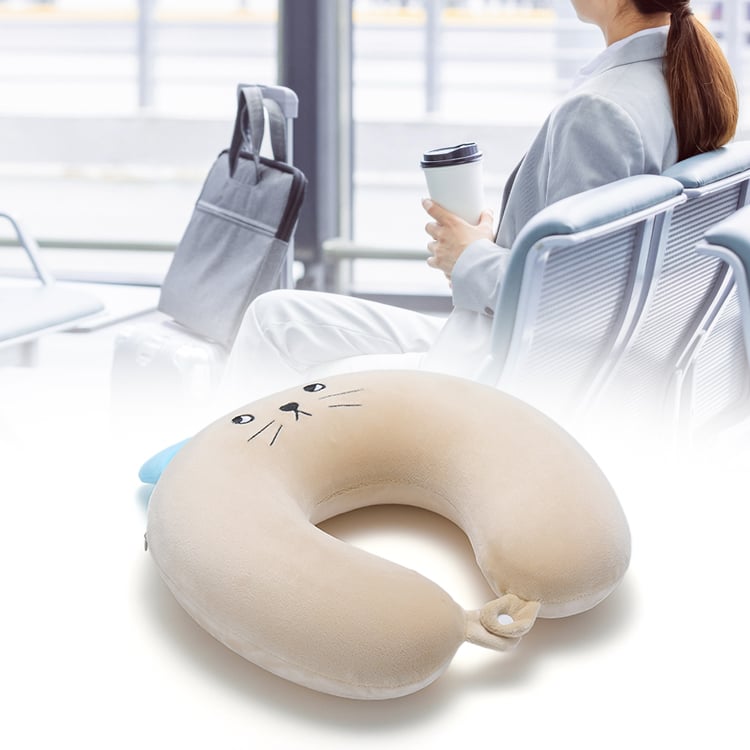
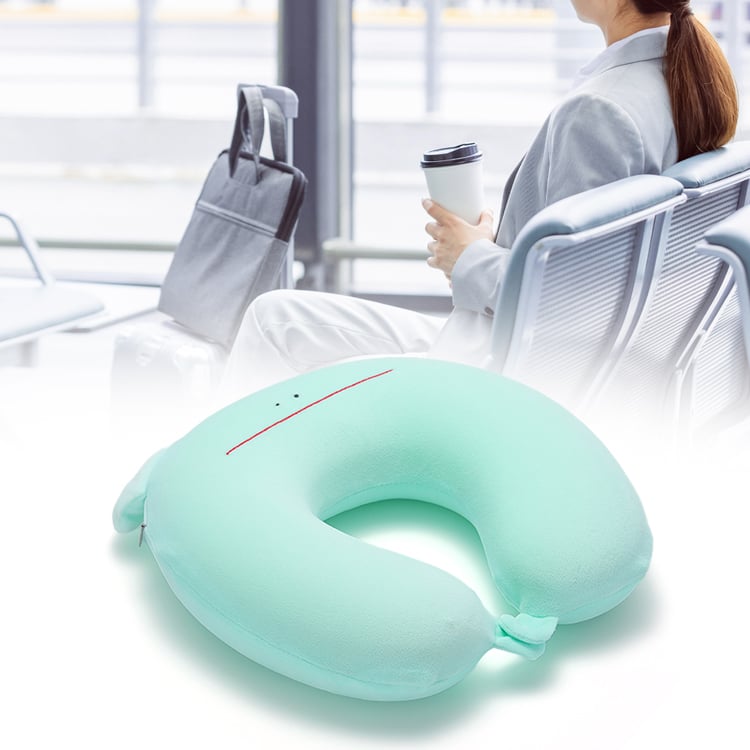
Answer: Yes. A U-shaped travel design built on the same viscoelastic platform supports the cervical spine on planes, trains, and cars, where seats offer little contour. The foam cradles the neck and limits the sideways drop that causes stiffness after a long trip. It compresses flat, packs small, and regains shape on use. Pair it with a contoured seat or lumbar cushion from that material for a support chain. That is why transport fleets and frequent travelers keep it close.

Established in 2007, Welldo is a manufacture and trader specialized in the research, development and production of all kinds of memory foam pillows. We are located in Xiamen, with convenient transportation access. All of our products comply fit international quality standards and are greatly appreciated in a variety of different markets throughtout the world. In order to further enhance the company's strength and competitive edge, and at the same time respond to the call of the country