EN
EN


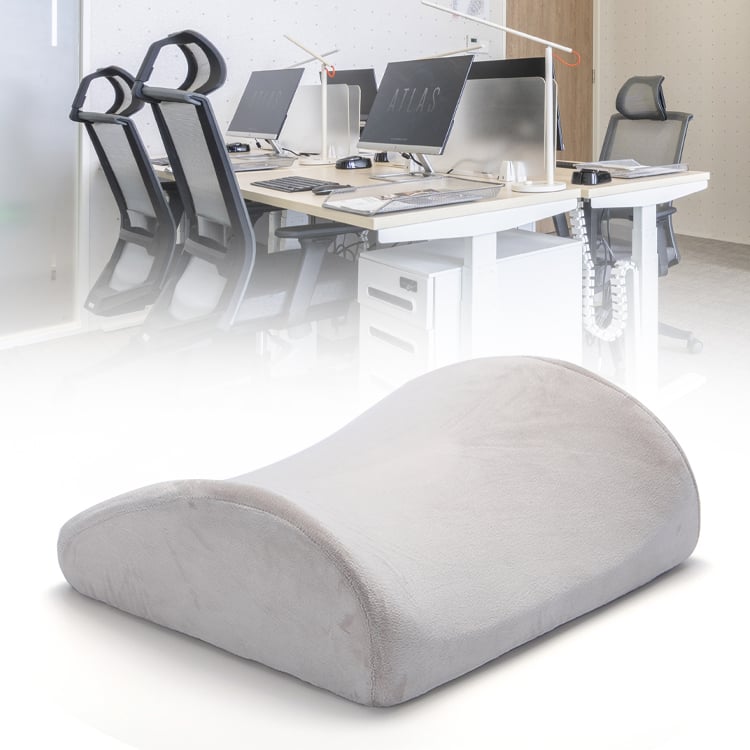

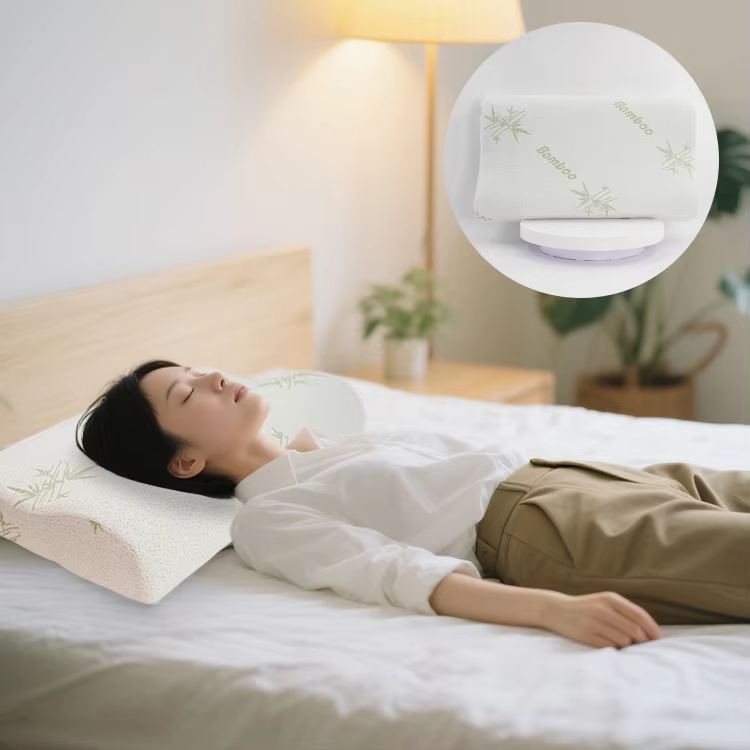
A memory foam pillow typically keeps useful elasticity for about two to four years before the material noticeably softens. That range depends on foam density, daily use, and care habits rather than any fixed date on a calendar. Buyers and distributors who plan replacements around this window avoid sudden comfort loss and customer complaints. Heat, moisture, and body oils push the viscoelastic polymer toward slower recovery, so the answer is a range, not a single number.
A memory foam pillow is built from polyurethane with an open-cell structure that lets the material slowly reshape under pressure and temperature. The viscoelastic polymer reacts to warmth from the head and neck, softening locally so the surface cradles the body. This slow rebound is the comfort buyers feel, yet the cell walls flex millions of times across a product's life. Each compression slightly stresses the polymer chains, and recovery weakens with accumulated cycles. The chemistry is stable but not permanent; repeated heat exposure gradually lowers the glass-transition point, making the foam feel softer year after year.
A memory foam pillow under nightly head weight gradually loses some rebound as the support core compresses. Compression set describes the permanent deformation left after foam is pressed for a long time. When a pillow spends night after night under head weight, the support core loses some ability to spring back to its original height. Higher-density foams resist this better because thicker cell walls hold shape longer. Lower-density material shows dents and slack support sooner, which is why density matters more than thickness for long-term elasticity. A simple test presses the surface by hand: slow, incomplete recovery signals advancing compression set before the pillow looks worn.
On a memory foam pillow, warm bedrooms and humid climates speed chemical breakdown of the polymer. Sweat and body oils seep through the cover, migrating into the foam where they weaken cell walls and feed microbes. Dust mites thrive in that warm, moist environment, adding allergen load without changing the surface appearance. Good ventilation and a washable barrier reduce these drivers, slowing the visible and hidden loss of resilience. Laundry frequency matters; a cover washed monthly traps far less oil than one left for a season, directly protecting the foam beneath.
A European home-textile distributor received rising comfort complaints about the memory foam pillow line shipped to retail partners. The products left the plant within spec, yet field returns climbed after several months of shelf and bedroom use. The distributor suspected a material defect and questioned whether the supply could be trusted for repeat orders. Shelf time in a humid warehouse mattered as much as the foam formula itself, a detail easy to miss during incoming inspection.
Investigation showed the foam itself met benchmarks, but thin retail packaging trapped humidity during overseas transit, and end users rarely washed covers. The solution combined breathable mesh secondary packaging, clearer care cards, and a cover swap to a version tested to OEKO-TEX Standard 100. Return rates dropped and perceived durability improved without any change to the foam formula. The distributor later standardized this packaging across the range, turning a quality complaint into a repeatable sourcing advantage for future seasons.
Foams meeting CertiPUR-US emission limits restrict VOC off-gassing and banned chemicals, which correlates with steadier polymer behavior over time. Covers tested to OEKO-TEX Standard 100 confirm skin-safe textiles that withstand regular washing. Plants running ISO 9001 systems document process control, so batch-to-batch density stays consistent. These benchmarks help procurement teams judge durability before a single pillow reaches a bedroom. Asking suppliers for evidence of these certifications turns vague longevity claims into checkable, contract-ready facts that protect both buyer and end user.
BIFMA and ANSI ergonomics references describe performance expectations for cushioned support under repeated load. Applying that thinking to sleep products, consistent loft and slow rebound signal a healthy support core. Specifying foams and covers against these references gives buyers a neutral, standards-based way to compare longevity without relying on marketing language. Where seating standards discuss cycle testing, the same logic applies to a memory foam pillow used nightly: more verified load cycles imply a longer, more predictable service life for the buyer.
Use a removable, washable cover and launder it on a gentle cycle to block body oils from reaching the core. Rotate the pillow weekly so no single zone takes all the load, and air it in shade rather than direct sun, which can harden the polymer. Inspect every few months: persistent dents, a lumpy feel, or waking with neck stiffness mean the foam has lost rebound and should be replaced. For buying decisions, select a memory foam pillow with denser foam for high-use settings and verify the cover is removable and washable. On arrival, check even loft, a clean scent without sharp chemical odor, and a label showing density and certifications. Store spares in a cool, dry place with airflow, never sealed in plastic, since stable conditions slow the polymer aging that eventually softens every foam product.
A memory foam pillow generally stays elastic for two to four years with sensible care, though dense, well-made examples can hold shape toward the longer end of that window. Choosing foams meeting CertiPUR-US limits, covers tested to OEKO-TEX Standard 100, and plants running ISO 9001 systems supports a longer, steadier service life. Replacing at the first clear signs of compression set keeps sleep support honest and dependable.
What is a normal lifespan for a foam pillow?
Answer: A typical memory foam pillow stays supportive for roughly two to four years in daily use. Density, body weight, and care habits shift that window. Denser foam holds shape longer, while heat and humidity shorten it. Replace the item once dents remain after fluffing or neck stiffness appears each morning. Tracking purchase dates helps households plan timely swaps without comfort gaps.
Why does foam lose elasticity faster in humid rooms?
Answer: Humidity lets moisture reach the polymer, where it weakens cell walls and feeds microbes. Warm air speeds the chemical breakdown of the material. A breathable cover and dry sleeping space slow this aging. Regular washing of the outer layer blocks body oils that otherwise seep into the core and soften support prematurely. Ventilation remains the simplest defense against early loss of rebound.
How can buyers verify foam quality before purchasing?
Answer: Request certifications such as CertiPUR-US emission limits and OEKO-TEX Standard 100 for covers. Ask suppliers for density figures and batch consistency under ISO 9001 systems. A clean scent without sharp odor and even loft at arrival signal sound material. These checks turn vague durability promises into verifiable, contract-ready facts. Buyers gain measurable control over return risk through this documentation.
Can washing the cover really extend the pillow's life?
Answer: Yes, a washable cover blocks sweat and body oils from reaching the foam, which is the main cause of premature softening. Laundering monthly removes buildup that microbes feed on. Pair the cover with a breathable pillowcase and weekly rotation. These habits protect the support core and meaningfully delay compression set. The practice costs little yet preserves nightly comfort for months longer.
When should a pillow be replaced instead of cleaned?
Answer: Replace the item when visible dents remain after fluffing, when the surface feels lumpy, or when morning neck pain becomes routine. These signs show the polymer has lost rebound beyond recovery. Cleaning cannot restore collapsed cell structure. A timely swap restores proper support and protects sleep posture before discomfort worsens. Inspect every few months to catch the change early.

Established in 2007, Welldo is a manufacture and trader specialized in the research, development and production of all kinds of memory foam pillows. We are located in Xiamen, with convenient transportation access. All of our products comply fit international quality standards and are greatly appreciated in a variety of different markets throughtout the world. In order to further enhance the company's strength and competitive edge, and at the same time respond to the call of the country