EN
EN



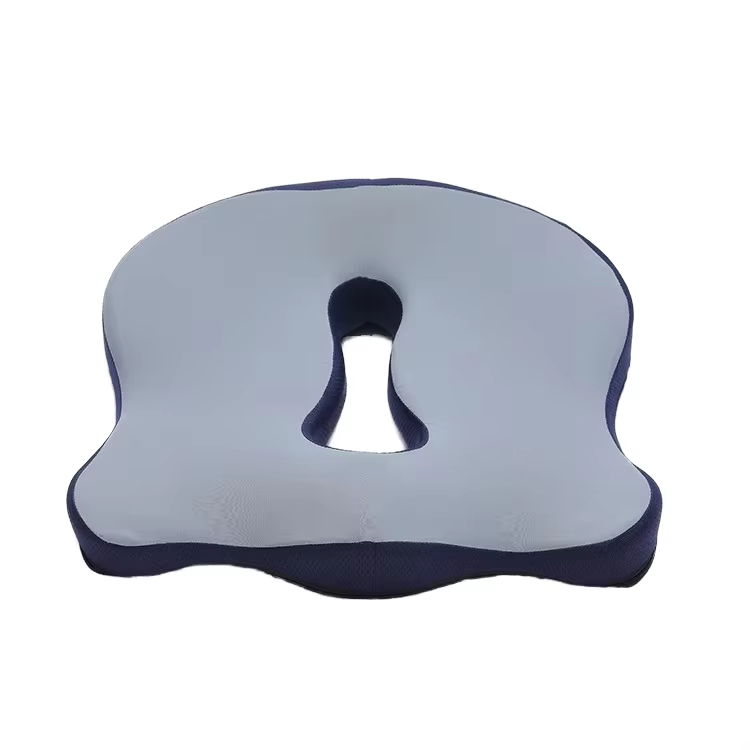
Sitting for a full workday places steady load on the hips and lower spine, and many buyers discover too late that a standard chair does little to spread that load. The first step in choosing a seat cushion is to map where the body hurts and why. A North American e-commerce seller learned this when repeat returns climbed on basic pads that looked soft but failed to relieve tailbone pressure for desk staff.
That seller's story shows the pattern buyers should expect. The background was a growing catalog of generic pads sourced without ergonomic review. The problem appeared when corporate customers reported numbness and tailbone soreness after six-hour shifts and asked for refunds. The solution came when the seller switched to contoured viscoelastic models with a rear cut-out and requested compliance documents from the factory. The effect showed in stabilized bulk orders from office suppliers within two quarters.
Pressure under the pelvis concentrates on the coccyx when a flat chair forces body weight onto a small tailbone area. A well-shaped seat cushion uses a U-shaped rear opening to offload that point, letting the sit bones carry the load instead. Viscoelastic foam slowly conforms to the hips, reducing peak pressure that would otherwise restrict circulation. Without this relief, sustained compression irritates soft tissue, reduces blood flow, and trains the body into a tilted, guarded posture that grows harder to correct over time.
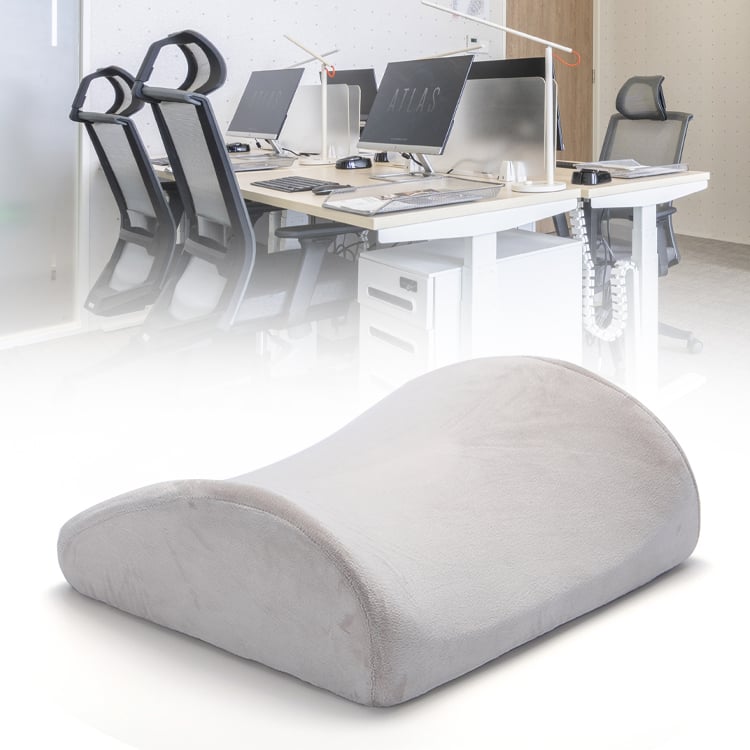
When the pelvis tilts backward on a hard seat, the natural lumbar curve flattens and the upper body leans forward to compensate. Over a long shift this imbalance loads the spinal discs unevenly and fatigues the supporting muscles, while tight hip flexors pull the pelvis further out of line. Adding a contoured pad that keeps the hips slightly higher than the knees restores a healthier pelvic angle. Pairing the front support with separate lumbar support reinforces the spine's neutral line during typing and calls.
Memory foam responds to heat and weight, molding a personalized cradle that holds shape between movements, while gel stays cooler and resists bottoming out but feels firmer and less adaptive. The viscoelastic response comes from open cells that soften under warmth, so the surface meets the body rather than pushing back. For eight-hour desk use, many procurement teams prefer a memory foam core with a gel top layer, gaining both contour and temperature control. A dual-layer seat cushion balances both needs for most desks. The choice depends on room climate and whether the user shifts often or stays still.
A dense cover traps heat and moisture, so a breathable mesh surface matters for all-day seating. Covers tested to OEKO-TEX Standard 100 confirm the textile is safe for skin contact through repeated hours. Removable, washable covers also help control odor and dust mites in shared offices. Plants running ISO 9001 systems tend to document these material checks, giving distributors a traceable quality record for each batch. A breathable seat cushion also supports longer, healthier shifts by keeping the contact area dry.
A pad that overhangs the chair edge or slides forward defeats its purpose, so measure seat width and depth first. Most office chairs accept a cushion around seventeen inches wide, but taller users need extra depth to support the full thigh and avoid dangling legs. Height-booster models suit low stools and shorter desks without changing the chair. Confirm the shape matches a task chair versus a wider conference seat before committing to a bulk purchase, since a wrong fit erodes the support benefit. A properly sized seat cushion stays put through the whole day.
A silicone or textured base keeps the pad from shifting each time the user stands or turns. Stability matters because a sliding surface quietly reintroduces the pelvic tilt the seat cushion was meant to correct. OSHA guidance on seated workstation setup emphasizes steady, supported hips as part of healthy posture. BIFMA performance benchmarks similarly rate office seating for stability under load, a useful reference when comparing supplier samples and rejecting units that creep during use.
On arrival, press the foam to confirm slow recovery rather than a quick spring-back that signals low-density material. Inspect the cover stitching, zipper, and the rear cut-out alignment, and note any chemical smell that suggests poor curing. Foams meeting CertiPUR-US emission limits reduce concern about indoor air quality in closed offices. A genuine seat cushion shows slow rebound under firm press. Request test reports from the supplier and keep a signed inspection note, since documented checks protect both distributor and end customer during claims.
Remove the cover weekly for a gentle wash and let foam air out away from direct sun, which degrades elasticity and yellows the surface. Rotate the pad between seats if used by several staff to even out compression and slow the formation of body-shaped dips. Avoid folding memory foam, as creases become permanent weak points that break support. With steady care, a quality contoured seat cushion keeps its supportive shape across many months of daily office use and protects the chair underneath.
Choosing the right support pays off across the whole workstation. A contoured seat cushion that relieves the tailbone, holds a stable pelvic angle, and breathes through long shifts turns painful sitting into sustainable comfort. Buyers should weigh memory foam against gel, confirm sizing to the chair, and verify material certifications before ordering. Combined with good lumbar support and simple maintenance, the right pad helps desk staff stay focused and pain-free through the working day.
What relieves tailbone pain during long office hours?
Answer: A contoured seat cushion with a U-shaped rear cut-out shifts load from the coccyx to the sit bones, easing tailbone pressure through a full shift. Viscoelastic foam molds to the hips and lowers peak contact force that restricts circulation. A breathable mesh cover keeps the surface cool, while a non-slip base holds the pad steady. Confirm slow foam recovery and cut-out alignment before purchase to ensure real relief.
Which material works better for eight-hour shifts?
Answer: Memory foam molds to body heat and weight, building a personalized cradle that suits still desk work, while gel stays cooler and resists bottoming out but feels firmer. Many offices choose a memory foam core with a thin gel layer for both contour and temperature control. Climate and movement habits decide the balance. Request CertiPUR-US foam details for indoor air confidence during long sedentary hours.
How should a buyer measure for the right fit?
Answer: Measure seat width and depth before ordering, since a pad that overhangs or slides defeats its purpose. Most task chairs accept around seventeen inches of width, though taller users need extra depth for full thigh support. Height-booster versions suit low stools without changing the chair. Match the shape to a task chair or a wider conference seat to avoid bulk-order mistakes and lost support benefit.
Why does a non-slip base matter for posture?
Answer: A silicone or textured base keeps the pad from drifting each time the user stands or turns. Stability matters because a sliding surface quietly reintroduces the pelvic tilt the product should correct. OSHA seated-workstation guidance stresses steady, supported hips for healthy posture. BIFMA benchmarks also rate seating stability, giving buyers a neutral reference when comparing supplier samples side by side and rejecting creeping units.
How often should the cover be washed?
Answer: Remove the cover for a gentle wash about once a week in shared offices, and let the foam air out away from direct sun that breaks down elasticity. Rotate the pad among seats if several staff use it, to even out compression. Avoid folding memory foam since creases become permanent weak points. Steady care preserves supportive shape across many months of daily use.

Established in 2007, Welldo is a manufacture and trader specialized in the research, development and production of all kinds of memory foam pillows. We are located in Xiamen, with convenient transportation access. All of our products comply fit international quality standards and are greatly appreciated in a variety of different markets throughtout the world. In order to further enhance the company's strength and competitive edge, and at the same time respond to the call of the country