EN
EN



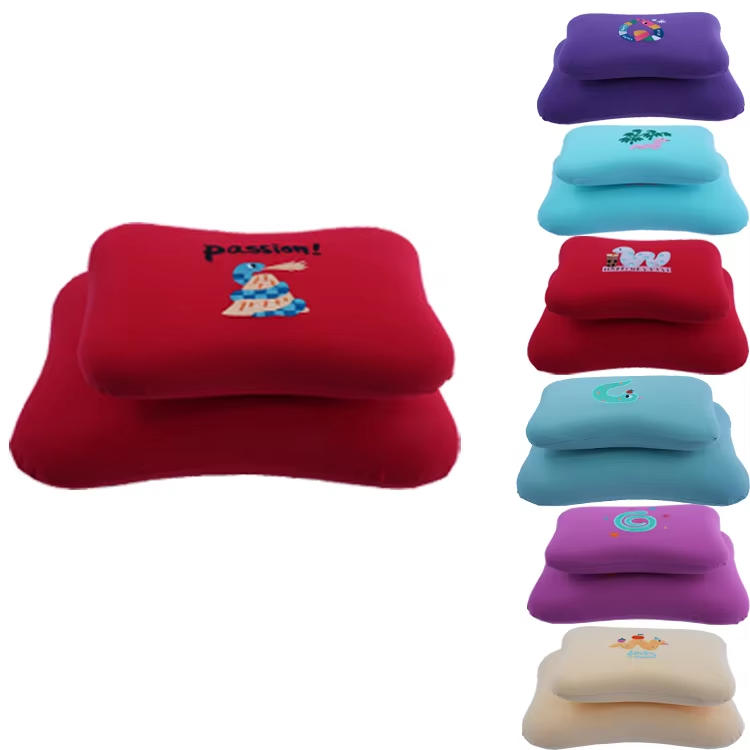
A good neck pillow supports the cervical spine without forcing it into an unnatural angle, yet the right choice changes sharply between a seven-year-old and a full-grown adult. Children and adults carry very different cervical loads, and a shape that soothes one body can strain another. This guide walks through support needs by age and build, material behavior, child-safety checks, and the practical steps buyers can take before purchase and after delivery.
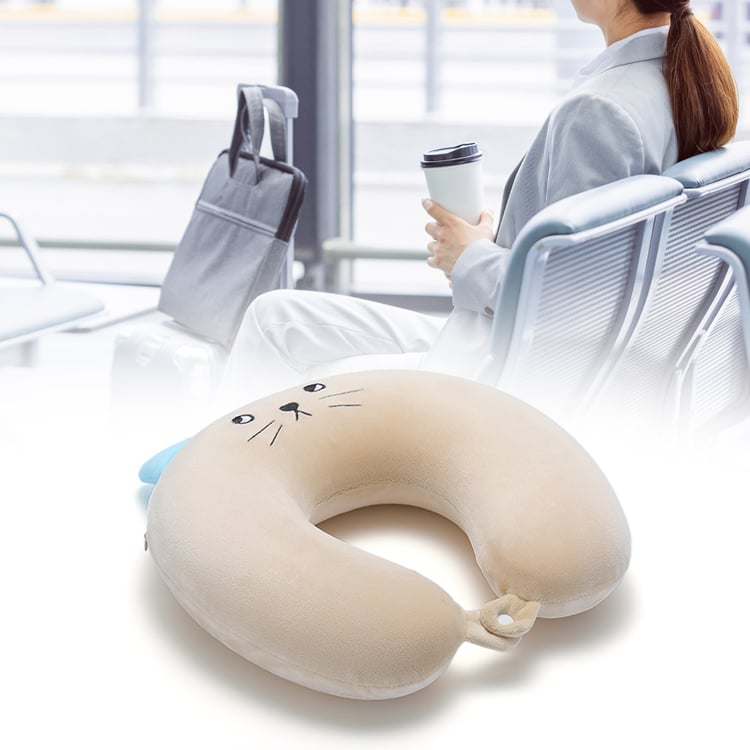
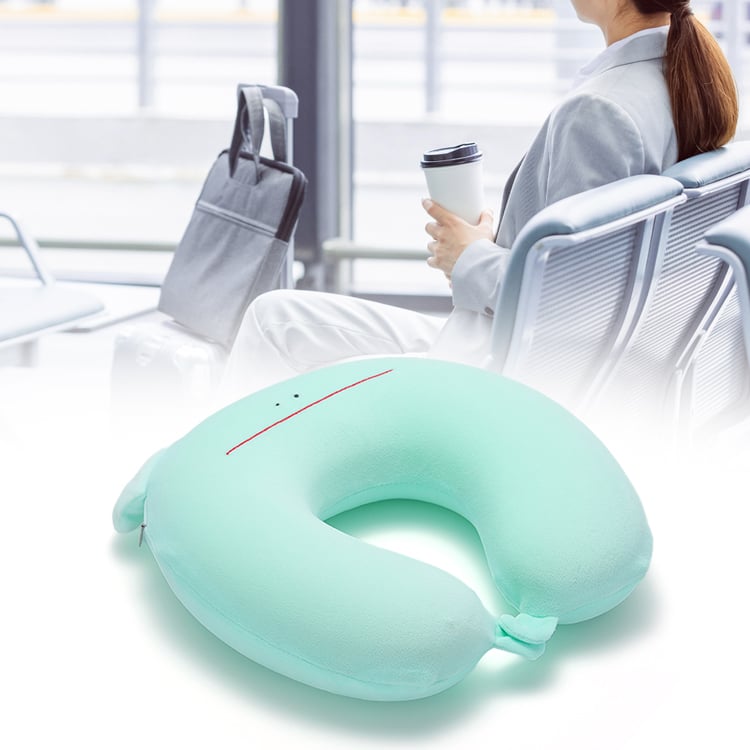
A child's cervical spine is still developing, so a neck pillow for daily use must stay low and gentle rather than tall and rigid. Pediatric ergonomics favors light lift that keeps the head aligned with the shoulders instead of pushing the chin forward. Foam that is too firm can create pressure points on a small frame, while an oversized contour may hyperextend the neck. Selecting a child model means checking the profile height and the give of the foam, not the adult marketing photos.
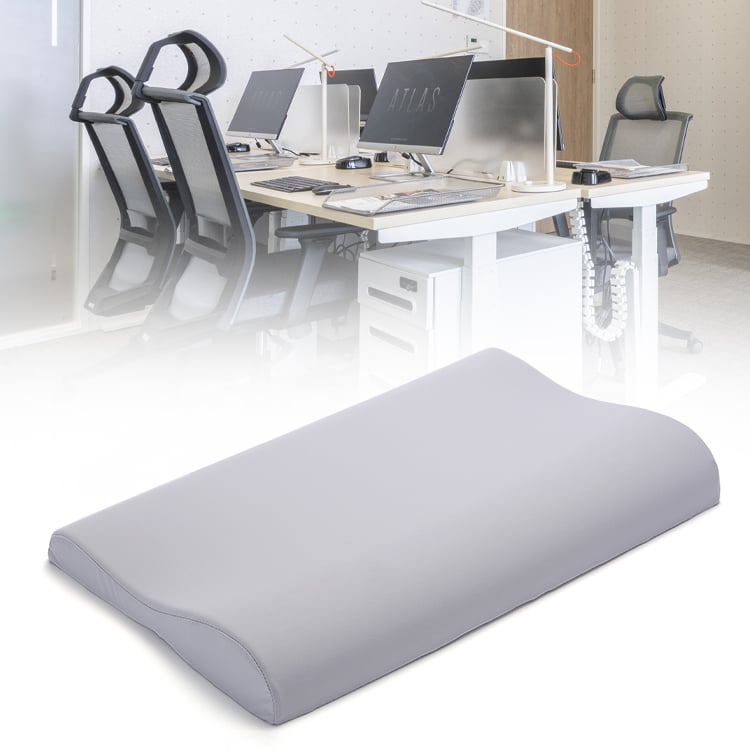
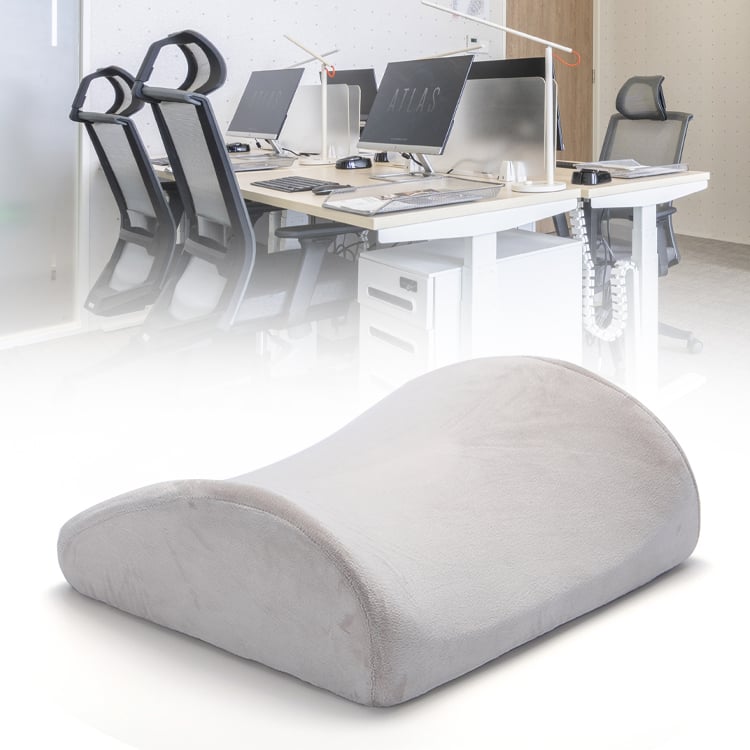
Adult selection depends on shoulder width, neck length, and sleeping or seating posture. A broader-shouldered user needs a taller lobe to fill the gap between the shoulder and the ear, while a slimmer build benefits from a shallower contour. Side sleepers and upright travelers place different loads on the cervical curve. The right neck pillow uses a memory foam core that molds to the individual shape and reduces shear at the joint, which explains why one universal size rarely fits every adult body. Underestimating this mismatch creates a real risk: a too-loose support lets the head tilt and tightens the upper trapezius, while over-firm foam numbs contact and encourages poor posture. A quick fit check at home uses a folded towel of varying thickness to estimate the ideal lobe height before committing to a specific contour.
Viscoelastic foam softens under body warmth and slowly returns after pressure leaves, a behavior driven by its open-cell polymer structure. The slow recovery spreads load across the contact area and lowers peak pressure on the cervical spine. Firmness should match the user: children need a plusher, more forgiving density, while adults who carry more weight need a higher-resistance core that will not bottom out. A quality neck pillow keeps chemical off-gassing within tested bounds when the foam meets CertiPUR-US emission limits for indoor use.
The cover sits against the skin for hours, so a breathable mesh or knit fabric matters more than the outer color. Covers tested to OEKO-TEX Standard 100 confirm the textile is screened for substances harmful to skin, a point worth verifying for child products. A washable removable cover also supports hygiene, since dust-mite resistant fabrics and regular laundering reduce allergen buildup. Soft, low-friction weaves lower irritation for users with sensitive skin or long daily wear.
Child products fail the fastest on choking hazards, not comfort. A neck pillow meant for kids should use integrated construction, with the foam sealed inside a stitched cover and no buttons, beads, or snap-on decorations a child could pull free. Seams should resist tugging, and any zipper should be small and recessed. These details protect the youngest users and keep a product line clear of the most common safety recalls in soft furnishings.
A North American e-commerce seller once built a kids' comfort line around low-cost imported cushions. The background was healthy demand; the problem appeared when a shipment arrived with decorative snap buttons that failed choking-risk review and the covers lacked skin-safety documentation. The solution was switching to integrated-foam models with covers tested to OEKO-TEX Standard 100 and foams meeting CertiPUR-US limits, sourced from a plant running ISO 9001 systems. The effect was a passed compliance audit, fewer returns, and steadier reorders from retail partners.
When a neck pillow arrives, press the foam to confirm it springs back within a few seconds and shows no permanent dent. Check the cover seam, the zipper, and the label for material content and care instructions. Buyers sourcing for resale should request test reports and batch samples, then compare against the order spec. A quick wash test on a spare cover confirms colorfastness and shrinkage before a full run ships to customers.
Remove the cover and wash it on a gentle cycle; keep the foam core away from direct heat and sunlight, which accelerate breakdown. Rotate usage if possible so one orthopedic support does not compress unevenly. Store in a dry, ventilated space and air the foam occasionally to limit odor. Label reading matters as much as washing; confirm the care symbol allows machine cycles and avoid bleach that weakens woven fibers. A monthly air-out in shade, plus rotation between two units, roughly doubles the usable interval before the core loses rebound. Following OSHA-aligned seating guidance for workstation posture and BIFMA performance expectations helps buyers set realistic service life and replacement timing for their inventory.
The safest buying decision treats the neck pillow as a support tool sized to the person, not a one-size accessory. Children need low, soft, sealed designs that pass child-safety review, while adults need contours matched to build and firmness matched to weight. Verify foam and textile certifications, inspect on arrival, and maintain the cover and core so the support lasts. A careful selection process protects users and keeps procurement lines compliant.
What size neck pillow fits a child versus an adult?
Answer: Child models use a lower, softer profile that keeps the cervical spine aligned without forcing the chin forward. Adult versions need taller lobes matched to shoulder width and neck length. Measure the gap between the ear and the shoulder, then compare it to the contour height. A pillow that is too tall pushes the head forward, while one that is too low offers no support. Fit should follow the body, not the package photo.
Why does foam firmness matter for cervical support?
Answer: Firmness controls how much the core compresses under load. A child needs a plusher density that yields gently to a small frame, while a heavier adult needs higher resistance so the foam does not bottom out. Viscoelastic foam spreads pressure across the contact area and lowers peak stress on the joint. Matching density to body weight keeps the cervical curve supported through the night or a long trip without creating new pressure points.
How should buyers check child-safety on these products?
Answer: Look for integrated construction with no buttons, beads, or snap decorations a child could detach. Seams should resist tugging and zippers should be small and recessed. Request documentation that the textile passed skin-safety screening and that the foam met emission limits. A practical incoming inspection includes a pull test on decorations and a review of the label for material content and care guidance before the goods reach shelves.
Which certifications indicate safer foam and fabric?
Answer: Foams meeting CertiPUR-US emission limits stay within tested bounds for chemical off-gassing. Covers tested to OEKO-TEX Standard 100 confirm the textile is screened for skin-harmful substances. Plants running ISO 9001 systems show consistent manufacturing control. BIFMA and ANSI reference seating performance, while OSHA offers posture guidance. Buyers should ask suppliers for current test reports rather than marketing claims alone when qualifying a new product line.
Can a washable cover extend the usable life of the product?
Answer: Yes. A removable, washable cover protects the foam core from sweat, oils, and dust while keeping the surface hygienic. Regular laundering with dust-mite resistant fabric lowers allergen buildup, and airing the core in a ventilated space limits odor. Keeping the foam away from direct heat preserves the open-cell structure. These habits slow compression and help the support hold its shape across more use cycles before replacement becomes necessary.

Established in 2007, Welldo is a manufacture and trader specialized in the research, development and production of all kinds of memory foam pillows. We are located in Xiamen, with convenient transportation access. All of our products comply fit international quality standards and are greatly appreciated in a variety of different markets throughtout the world. In order to further enhance the company's strength and competitive edge, and at the same time respond to the call of the country