EN


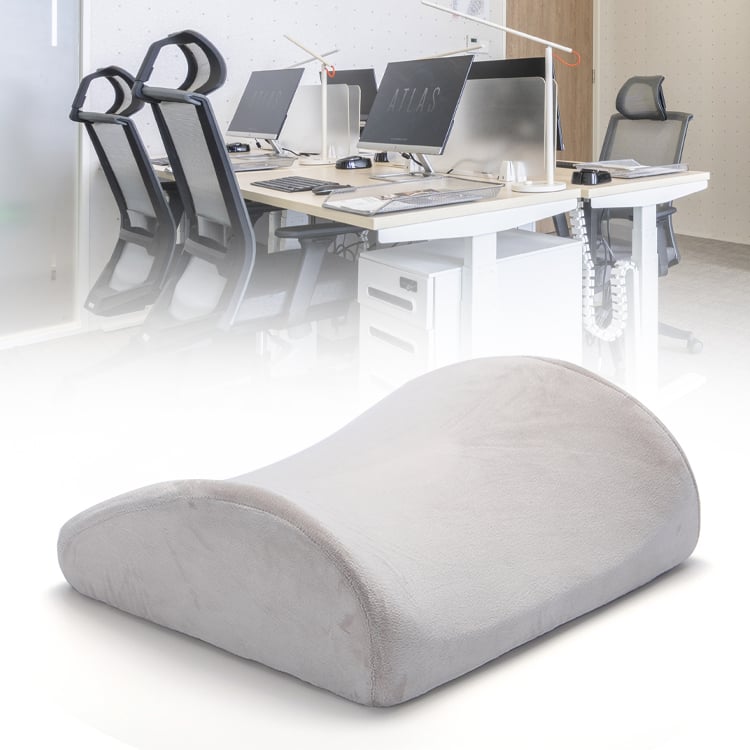


A memory foam footrest quietly improves posture at a desk, yet it sits close to shoes, floors, and daily dust. Over weeks, the surface collects skin oils, crumbs, and moisture that seep toward the foam. Proper care keeps the product supportive and fresh without shortening its usable life. A simple routine protects both hygiene and the ergonomic shape that makes the cushion worthwhile.
The foam inside a footrest uses an open-cell viscoelastic structure that traps air to deliver pressure relief and slow rebound. That same structure also pulls in liquid. When water or detergent soaks deep, it breaks the cell walls and leaves the material soft or lumpy. Heat accelerates the damage because viscoelastic foam softens above moderate temperatures. A gentle, surface-first method respects the foam instead of fighting it. Laboratory material-care notes show that once cell walls rupture, the cushion cannot recover its original support. That is why a soaked block often feels heavier and stays damp for days. Surface cleaning limits water to the top layer, where it evaporates quickly. Buyers specifying for humid regions should favor covers with higher breathability to slow moisture entry in the first place.
Many users treat a footrest like ordinary fabric and reach for a washing machine or hot water, assuming it behaves like cloth. Memory foam reacts poorly to agitation and high heat, which collapse its density and support. Solvents and bleach strip the surface and trigger foam degradation. A corporate facilities team learned this the hard way after tumble-drying shared cushions shrank the covers and cracked the foam edges. Correct tools matter more than speed. Risk analysis for shared environments shows three failure paths: heat that softens the core, solvents that thin the surface, and trapped moisture that feeds bacteria. Each shortens usable life and raises replacement frequency. A documented care sheet given to cleaning staff removes guesswork and protects the investment across dozens of units.
A quick response keeps a footrest presentable through heavy use. Act the moment a spill happens. Blot—never rub—with a dry microfiber cloth to lift liquid before it reaches the core. Mix a small amount of mild, pH-neutral soap with cool water, dampen a cloth, and dab the stained area. Avoid soaking. For sticky residues, a lightly vinegar-dampened cloth helps without harsh chemicals. Let the surface air-dry fully before use to stop bacteria from settling in damp foam.
A shared footrest in a busy office faces constant warmth and skin contact. Odor builds when moisture meets heat, so place the cushion where air moves, not against a wall or inside a closed cabinet. A light sprinkle of baking soda left for fifteen minutes, then vacuumed, neutralizes smells without wetting the foam. Removable covers with breathable mesh dry faster and resist dust-mite colonization. Rotating two covers across the week keeps one fresh while the other airs out.
The zippered cover on a footrest meets the most daily wear, so choosing a hypoallergenic, washable fabric pays off. Turn the cover inside out, close the zipper, and wash on a cold, gentle cycle with mild detergent. Hand washing in a basin works for delicate mesh. Skip fabric softener; it coats fibers and reduces breathability. Hot cycles shrink seams and fade the contour markings, so cold water protects both fit and appearance over repeated launderings. For procurement readers, requesting a care label sewn inside the cover sets a clear standard for any location. EU material inspection expectations reward suppliers who state wash limits plainly, which helps facilities teams train cleaning crews without trial and error.
Keeping a footrest in service during wash is simple with rotation. Line dry the cover flat, away from direct sun and radiators. Tumble drying on heat warps the elastic and the shaped panels. While one cover dries, the second stays in service, so the workstation never loses its ergonomic support. This rotation also spreads wear evenly. For buyers managing a fleet of seats, keeping spare covers on hand turns maintenance from a downtime event into a quiet background task.
A monthly check catches problems early. Look for compressed zones, torn mesh, or a cover that no longer grips the foam. Foldable travel use exposes the cushion to luggage compression, so store it flat when possible and let it re-expand before use. ISO 26800 ergonomics guidance reminds specifiers that a support item only works while its shape holds; a flattened footrest stops delivering alignment and should be cycled out. Travel buyers benefit from foldable models that compress without creasing the contour. Storing a cushion flat between trips preserves the rebound that office users depend on daily.
Before reordering, review how the current footrest batch aged. Note cover shrinkage, foam rebound after compression, and any color change from cleaning. Ask suppliers about small-batch flexible supply so a worn unit can be replaced without a full container commitment. ANSI/BIFMA seating references and EU material inspection expectations favor documents that show care limits, helping facilities teams set realistic replacement cycles and protect the budget.
Caring for a memory foam footrest takes little time when the routine matches the material. Surface cleaning, cold cover washes, and steady rotation preserve hygiene, odor control, and the ergonomic contour that supports daily comfort. Buyers who inspect, wash, and store with intention extend product life and reduce replacement cost. A clean, well-kept cushion earns its place under the desk for years.
Can a memory foam cushion be machine washed?
Answer: A memory foam footrest should not go into a washing machine as a whole. The foam absorbs water, loses shape, and may split under agitation. Only the removable cover is machine safe on a cold, gentle cycle. For the foam core, surface spot cleaning with a damp cloth and mild soap is enough. Always air dry fully before reuse to prevent odor and bacteria inside the material.
How often should the cover on a cushion be washed?
Answer: In a home office, washing the cover every two to four weeks keeps it fresh. Shared spaces such as call centers or training rooms need weekly care because many people use the same cushion. A light baking-soda refresh between washes controls smell without water. Rotate two covers so one stays in service while the other dries. Frequency depends on traffic, humidity, and whether shoes contact the surface often.
Why does heat damage memory foam cushions?
Answer: Viscoelastic foam softens when exposed to high temperatures because heat relaxes the polymer bonds that create slow rebound. Washing in hot water or tumble drying warps the structure, lowers density, and leaves the cushion flat. That removes the pressure relief and contour support people rely on. Cold water and air drying protect the material. For procurement teams, specifying care limits on the product sheet prevents costly early replacement across a large seat fleet.
What removes odor from a foam foot cushion safely?
Answer: Odor comes from moisture trapped with warmth and skin oils. Start by airing the cushion in moving air, not a closed cabinet. A light dusting of baking soda left for fifteen minutes then vacuumed absorbs smell without wetting foam. For the cover, a cold wash with mild detergent resets freshness. Skip bleach and solvents; they break down fibers and foam. Consistent rotation between two covers keeps one unit dry and odor-free at all times.
Which signs show a foot cushion needs replacement?
Answer: Replace the unit when the foam no longer rebounds after compression, the cover shrinks or tears, or odor remains after a proper wash. A flattened shape stops supporting alignment and posture, signaling the end of useful life. Buyers should track aging across batches and use small-batch supply to swap worn units without a full order. Inspect monthly so a single tired cushion rarely affects workstation comfort or hygiene standards.

Established in 2007, Welldo is a manufacture and trader specialized in the research, development and production of all kinds of memory foam pillows. We are located in Xiamen, with convenient transportation access. All of our products comply fit international quality standards and are greatly appreciated in a variety of different markets throughtout the world. In order to further enhance the company's strength and competitive edge, and at the same time respond to the call of the country