EN



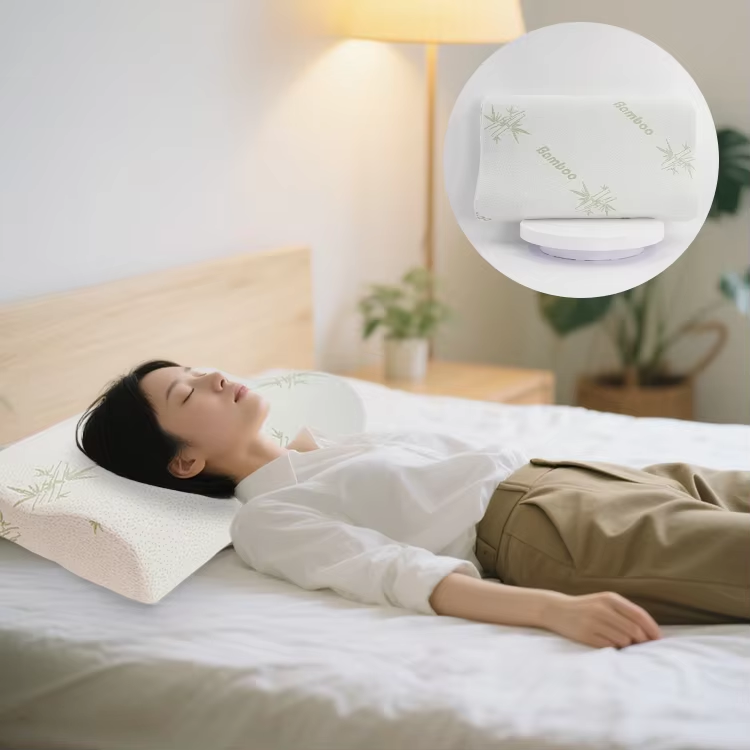
The cervical spine has seven vertebrae arranged in a gentle lordotic curve that balances the head over the shoulders. During sleep, this curve should remain neutral; if the neck is pushed too high or flattened, muscles, facet joints, and intervertebral discs can be strained. A neck pillow’s shape is therefore not just about softness—it’s about filling the space between the neck and mattress to preserve alignment. Flat rectangular pillows often leave that gap unsupported, allowing the cervical curve to collapse or bend unnaturally. Contoured and cervical pillows use a raised edge under the neck and a lower recess for the head, cradling the skull while keeping C1–C7 aligned with the thoracic spine. Sleep position dictates optimal shape: side sleepers need greater lateral height to bridge the shoulder-to-head gap, while back sleepers benefit from a gentler central curve. Without shape-specific support, prolonged misalignment can cause morning stiffness, headaches, or nerve irritation.
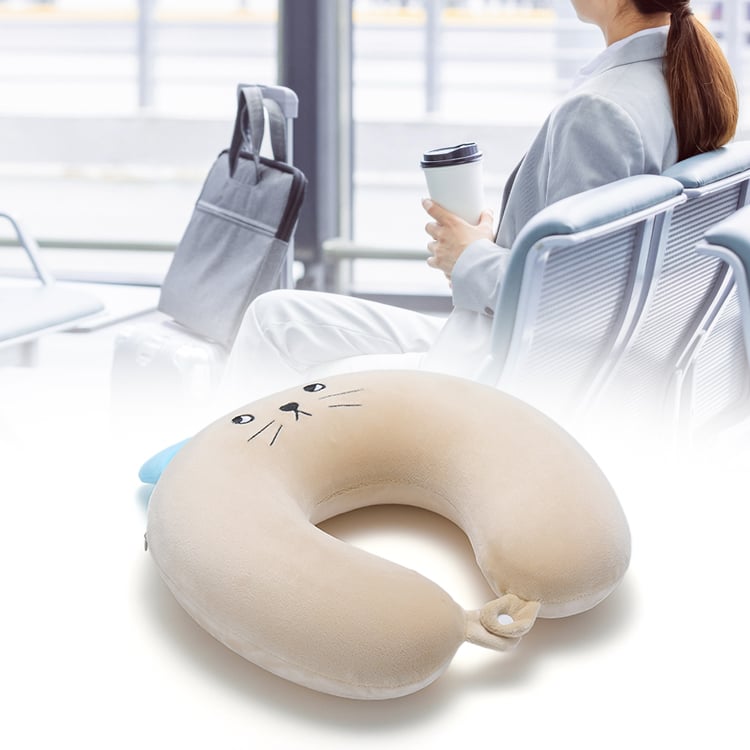
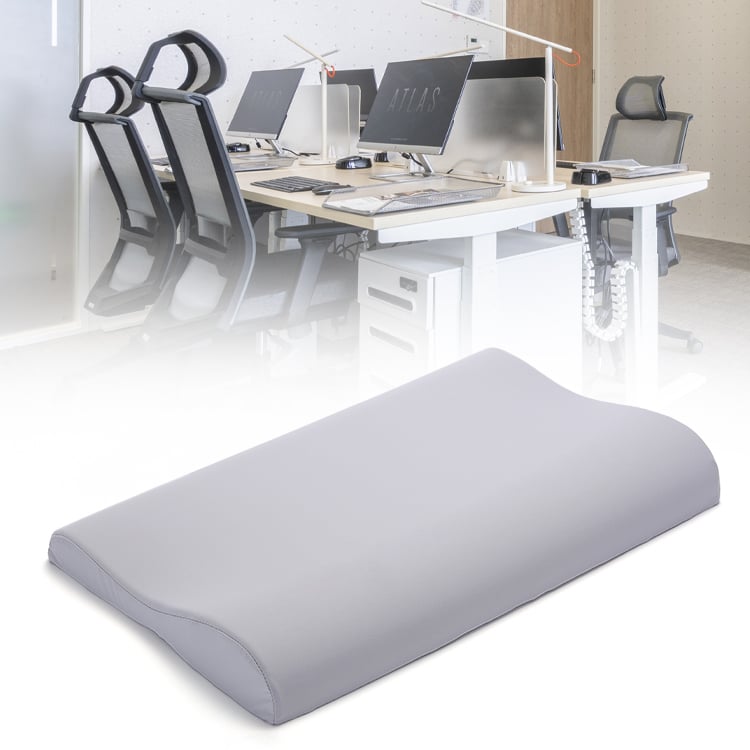
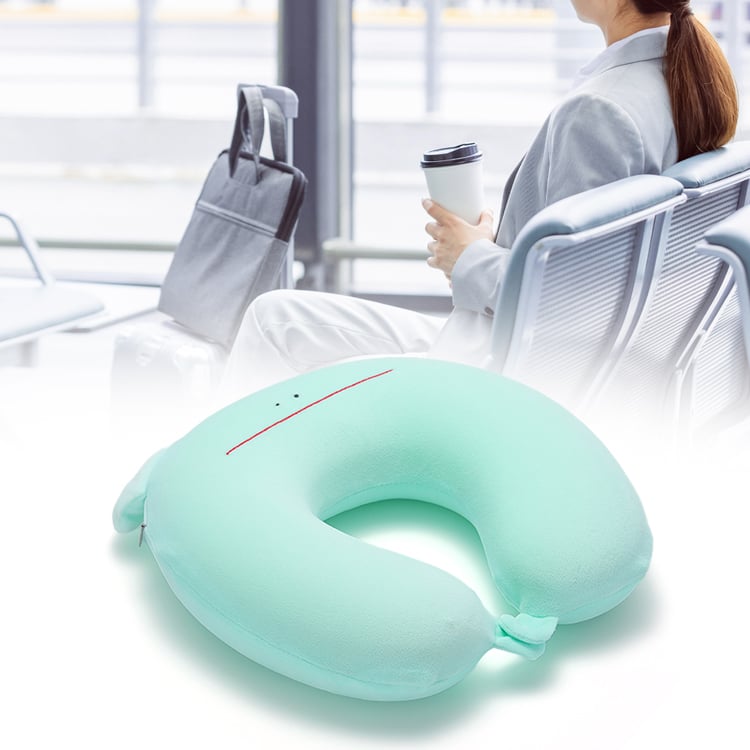
Interface pressure studies compare how different shapes distribute load across the occiput, cervical spine, and upper trapezius. Contoured neck pillows consistently produce the most even pressure gradient, with lower peak values under C5–C7—thanks to the raised cervical roll supporting the natural curve while the recessed center reduces skull pressure. U-shaped pillows offer useful lateral containment for travel and supine rest, but their fixed side rims can concentrate pressure behind the ears or under the occiput if the loft is excessive. Flat pillows, by contrast, often create a single high-pressure band from the lower neck to the upper back, forcing cervical extension in back sleepers and increasing muscle activation. The table below summarizes typical pressure-mapping differences:
| Pillow shape | Pressure distribution pattern | Common comfort implication |
|---|---|---|
| Contoured | Even load across occiput and cervical curve; lower peak pressure | Best for neutral alignment and pressure relief |
| U-shaped | Lateral containment; potential occipital or temporal pressure if loft is excessive | Useful for travel or back sleep; less precise for side sleepers |
| Flat | Concentrated pressure under lower cervical/upper thoracic area | May flatten lordosis and increase morning stiffness |
This evidence confirms that shape—not just firmness—drives how effectively a pillow prevents focal load and maintains neutral cervical alignment.
Selecting the right neck pillow shape depends on how your sleeping posture positions the cervical spine. A neutral alignment reduces strain on ligaments and muscles while allowing the shoulders to relax. The three most common sleep positions each require a different contour and loft.
Side sleeping increases the distance between the ear and mattress, so a high-loft contoured pillow keeps the head level with the spine. Without adequate height, the neck bends laterally—compressing the intervertebral foramina on the underside and stretching the opposite side. Unlike flat pillows, contoured designs shift load away from the C7–T1 junction. A firm contoured pillow with lateral support stabilizes the head and prevents forward rotation. Look for a gusseted side panel or a raised cervical roll under the neck. Materials such as contoured memory foam or latex maintain shape through the night. The pillow should fill the space between the shoulder and ear without pushing the head upward—reducing morning stiffness and allowing the scalene and trapezius muscles to relax. If broad shoulders increase the gap, choose an extra-high loft profile or adjustable insert. A contoured pillow with a lower center and higher side panels also works well for people who shift between side and back.
Back sleepers need a medium-loft pillow that supports the natural curve of the neck without forcing the head too far forward. A U-shaped or butterfly design cradles the occiput while a subtle center depression or cervical roll fills the gap under the neck. If the pillow is too high, the chin tucks toward the chest and closes the airway; if too low, the neck extends and loads the facet joints. The U-shape helps keep the head centered and discourages rotation during the night—particularly beneficial for snorers and people with tension headaches. Memory foam with medium firmness provides gradual contouring without excessive sink. Breathable covers reduce heat retention, which can otherwise trigger muscle guarding. A butterfly design adds side bolsters that gently limit side-to-side movement. Back sleepers should test the pillow in a supine position: ears, shoulders, and hips should form a straight line.
Stomach sleeping forces the neck into rotation and extension, compressing the facet joints and narrowing the intervertebral foramina. The ideal pillow for this position is an ultra-low-profile or inflatable design that reduces the craniocervical angle. A flat, soft pillow with minimal loft—typically under 3 cm—allows the head to rest closer to the mattress. Inflatable pillows offer adjustable height: users can release air until the cervical spine approaches neutral. Without any pillow, the head may turn too far, but a thin pillow provides a slight buffer. Soft down-alternative or shredded foam fill prevents pressure points on the face and ear. Stomach sleepers should pair the pillow with a mattress that is not overly soft, because deep sink can exacerbate lumbar hyperextension. If persistent waking neck pain occurs, gradually retraining to a side or back position with a more supportive pillow may be more effective than relying on pillow adjustments alone.
Even a well-shaped neck pillow can fail if loft, firmness, and fill material are mismatched to your body and sleep position. Loft refers to the pillow’s height before compression. Under a typical head weight of 10–12 pounds, most pillows compress to 60–80 percent of their stated height—so it’s compressed height—not label height—that determines whether the cervical spine stays neutral. A pillow that is too high can tilt the head forward or sideways and shorten the neck muscles. A pillow that is too low can leave the neck unsupported and force surrounding muscles to overcompensate.
Firmness controls how well a pillow holds that height through the night. Firmer materials resist flattening and provide more stable support—especially helpful for side sleepers and people with persistent neck pain. Softer fills may feel comfortable at first but compress more, slowly pulling the neck out of neutral alignment. Fill material also changes real-world support. Memory foam compresses least under head weight, retaining about 85–95 percent of its loft. Latex falls in between and responds more quickly when you shift positions. Down and down-alternative fills compress the most—often to just 50–60 percent of original height. Because memory foam can retain heat, combination fills or cooling covers may improve comfort without sacrificing support. The key is to match loft, firmness, and material so the pillow maintains a straight line from head to spine throughout the night.
A neck pillow that feels plush at bedtime can let the head sink too far, flattening cervical curvature and forcing deep neck flexors to work overnight. Morning stiffness, shoulder aches, or tingling fingers often signal this hidden misalignment. Real-world user reports repeatedly describe waking with “dead arm” or a stiff neck after switching to an ultra-soft pillow. Short-term softness masks long-term strain when support collapses under sustained load. Choose a pillow that preserves neutral alignment rather than one that simply feels cloud-soft—and recheck comfort after two weeks.
Q: What is the best neck pillow shape for side sleepers?
A: A high-loft contoured neck pillow with lateral support is ideal for side sleepers. It helps keep the head level with the spine and reduces strain on the neck and intervertebral discs.
Q: Can flat pillows work for any sleep position?
A: Flat pillows may not provide adequate support, as they can leave gaps under the neck, leading to unnatural spinal alignment. Contoured or U-shaped pillows are generally better options for most sleeping positions.
Q: What pillow materials retain their shape the best?
A: Memory foam is known for retaining its shape under head weight, maintaining 85–95% of its loft, making it an excellent choice for people who need consistent support.
Q: How can stomach sleepers minimize neck pain?
A: Stomach sleepers should use ultra-low-profile or inflatable neck pillows to reduce cervical extension. They should also consider retraining to side or back sleeping for long-term comfort.
Q: Why do some pillows cause morning stiffness?
A: Morning stiffness often results from a pillow that fails to maintain neutral spinal alignment, either due to being too soft, too firm, too high, or too low for the sleeper’s position and body type.

Established in 2007, Welldo is a manufacture and trader specialized in the research, development and production of all kinds of memory foam pillows. We are located in Xiamen, with convenient transportation access. All of our products comply fit international quality standards and are greatly appreciated in a variety of different markets throughtout the world. In order to further enhance the company's strength and competitive edge, and at the same time respond to the call of the country