EN



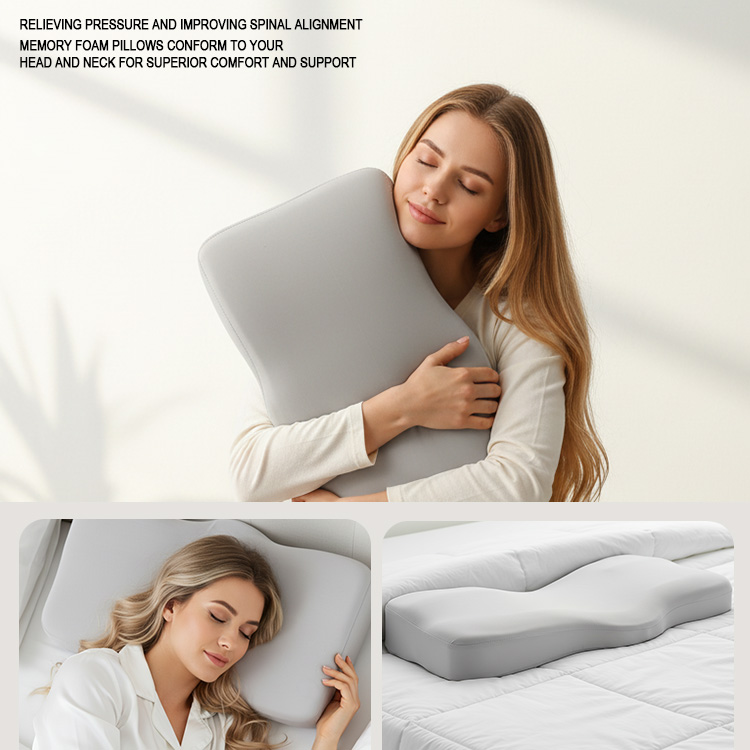
When side-lying, the unsupported top leg naturally drops inward—rotating the pelvis, flattening or twisting the lumbar curve, and disrupting spinal neutrality. A correctly sized knee rest fills the thigh gap so the top thigh remains parallel to the mattress. This preserves level pelvic alignment, minimizes lumbar side-bending, and supports the spine’s natural standing curvature. A level pelvis also reduces sustained activation of the quadratus lumborum and gluteus medius—muscles that otherwise guard against instability overnight. If the support is too low, the pelvis tilts forward and the hip externally rotates, increasing lumbar lordosis and facet joint shear stress. A 2023 biomechanical review of side-sleeping posture linked consistent pelvic leveling with knee support to significantly lower morning low-back stiffness scores. For most adults, an effective height falls between 10–15 cm—varying with pelvic width and leg length. Crucially, proper height also prevents direct compression of the top knee against the bottom leg, reducing risk to the sciatic nerve and superficial vasculature. The net effect is diminished rotational torque at the sacroiliac joint and a more stable, neurologically relaxed sleep posture.
An undersized knee rest allows the top knee to drift across the bottom leg, inducing internal hip rotation and lumbar torsion. This places abnormal rotational stress on the sacroiliac and lumbar facet joints—and may compress the sciatic nerve near the piriformis, especially in individuals with anatomical vulnerability. Over time, this pattern contributes to recurrent low-back tightness, lateral hip pain, and persistent morning stiffness. Conversely, a knee rest that’s too tall forces excessive hip abduction, stretching the adductors and irritating the iliotibial band at its distal insertion. It also induces lateral pelvic tilt, creating side-bending strain in the lumbar spine and narrowing the space around the lateral femoral cutaneous nerve—elevating risk for meralgia paresthetica. Chronic stiffness often follows because sustained misalignment impedes the subtle nocturnal micro-movements essential for disc hydration and joint lubrication. Ideal sizing aligns the top knee horizontally with the hip joint—neither falling inward nor lifting upward—preserving neutral joint angles and dynamic stability.
Start with the thigh gap, the most functionally relevant measurement. Lie on your side on a firm surface with knees stacked and ankles aligned. Let the top knee relax downward until you feel the pelvis begin to roll—this marks the point where passive support is needed. Use a rigid ruler or caliper to measure the vertical distance between inner knee surfaces. Record in centimeters.
Next, assess pelvic width: wrap a flexible tape around the widest part of the hips (typically over the greater trochanters) and divide the circumference by π (≈3.14) to estimate transverse hip diameter. This helps determine whether a wider support surface is needed to prevent the top leg from drifting forward—a common cause of rotational strain.
Finally, measure leg length from the greater trochanter to the lateral joint line of the knee. A longer segment often benefits from a longer support surface to distribute pressure along the thigh rather than concentrating it at the knee.
Take all three measurements both lying down and standing up. Soft-tissue compression alters values significantly—comparing both positions reveals how much the thigh gap closes under load, guiding material choice (e.g., firmer foam for greater compression).
Body composition directly affects how measurements translate into functional support. Higher BMI adds compressible adipose tissue around the inner thighs; a soft knee rest may collapse excessively, so add 1–2 cm to the measured thigh gap—or select a higher-density, low-compression material. Greater adductor or quadriceps mass can reduce the apparent gap when lying down; re-measure after 60 seconds of relaxed side-lying to allow muscular release.
Limited hip adduction or knee flexion may necessitate a slightly lower height to avoid forcing the top leg upward—especially important for those with osteoarthritis or post-surgical stiffness. Hypermobile individuals often benefit from a taller, contoured rest that prevents the knee from dropping past neutral alignment. If you have active hip bursitis or sciatic symptoms, begin with the smallest increment above your measured gap and adjust gradually. Reassess measurements after significant weight change, injury recovery, or switching mattresses—each alters load distribution and spinal kinematics.
Design determines not just comfort—but whether alignment is maintained throughout the night. Three primary types serve distinct biomechanical needs:
| Design type | Pressure distribution | Stability | Best suited for |
|---|---|---|---|
| Knee pillow | Moderate; isolates pressure between knees | Low to moderate; may shift during sleep | Travel, lightweight use, or mild alignment needs |
| Contoured knee rest | Even; follows thigh and knee contour | High; stays securely between legs | Persistent hip or lower back discomfort |
| Hybrid support | High; combines supportive foam core with adjustable straps or non-slip base | Very high; resists rotation and slippage | Combination sleepers or post-surgical recovery |
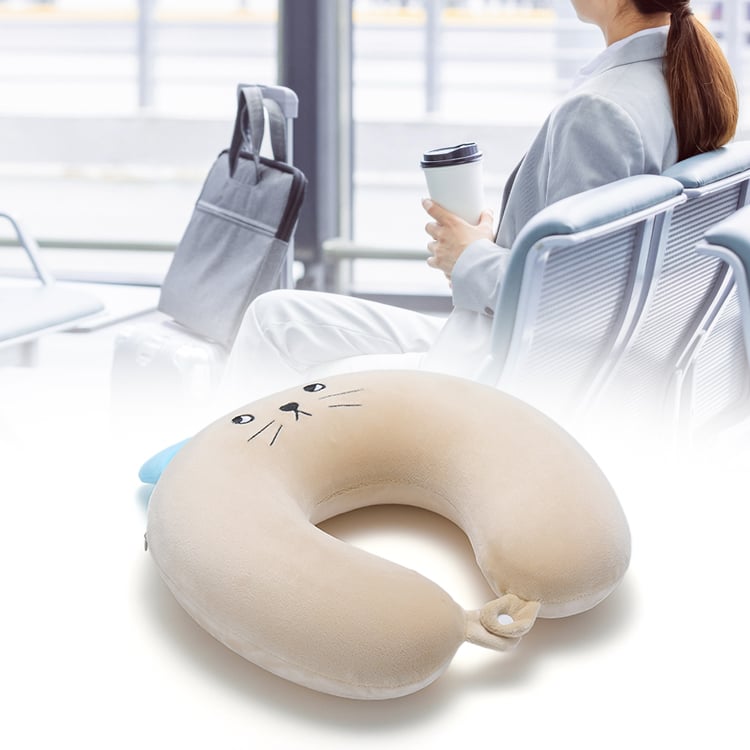
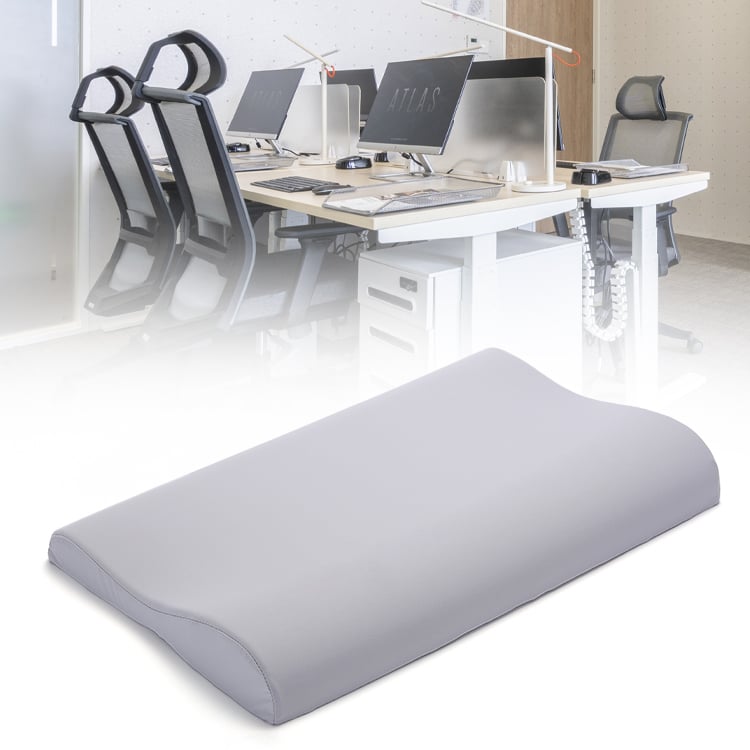
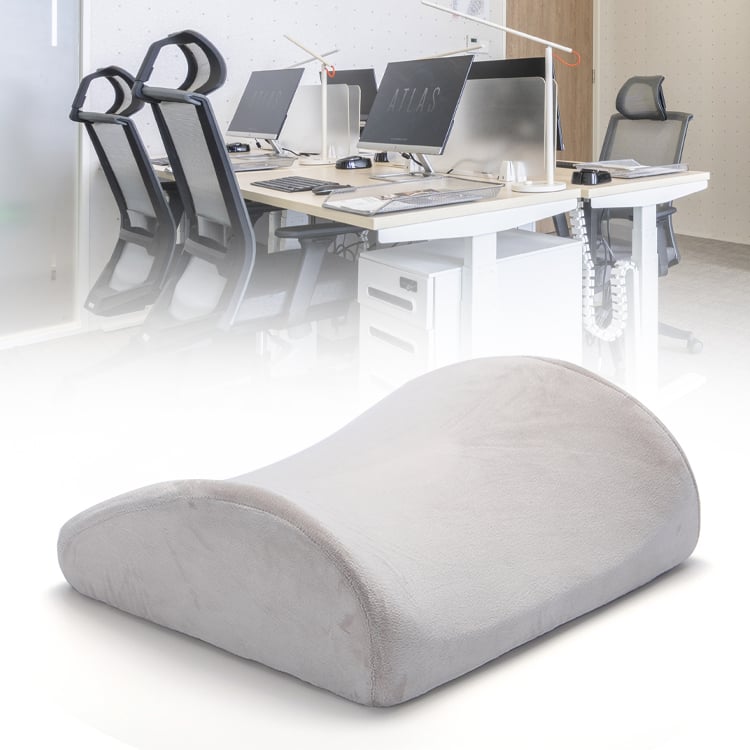
A contoured knee rest uses anatomically shaped foam to maintain neutral hip and lumbar alignment while minimizing rotational stress—particularly beneficial for those with SI joint sensitivity or chronic lumbar irritation. Hybrid designs integrate stabilizing features like dual-strap systems or textured bases to prevent positional drift during movement, making them ideal for restless sleepers or early-stage rehabilitation. Basic knee pillows offer portability and breathability but require more frequent repositioning—making them less optimal for individuals whose alignment degrades quickly without continuous support. Regardless of design, prioritize breathability in materials to avoid thermal buildup, which increases nocturnal movement and disrupts alignment maintenance. Match the support to your anthropometrics and sleep behavior—not thickness alone.
Placement is biomechanically inseparable from sizing. Position the knee rest between the knees, not the ankles or shins. Only mid-thigh placement fills the true thigh gap and keeps the top leg parallel to the mattress—preserving neutral hip and lumbar alignment. If placed too low, the top hip rotates forward and twists the lumbar spine; if too high or overly wide, it induces excessive abduction, straining the IT band and outer hip.
When switching sides, re-center the knee rest before settling. Contoured or strapped models reduce shifting, but even simple rectangular pillows work effectively when checked and adjusted per position change. For long-term comfort, use a removable, machine-washable cover made from moisture-wicking fabric—and replace the support when it no longer rebounds fully after compression (typically every 12–18 months). Side sleepers waking with hip stiffness or anterior thigh numbness should first optimize knee rest height and placement before adjusting mattress firmness. Visually confirm alignment: from the side, a straight line should connect the top hip, knee, and ankle. If ankles splay wider than knees—or if the pelvis visibly tilts—the support is misplaced. Consistent, accurate placement—paired with targeted hip-flexor and piriformis mobility work—supports durable neuromuscular relaxation and reduces cumulative rotational stress on the lumbar spine.
1. Why is proper knee rest height important?
Proper knee rest height ensures neutral pelvic and spinal alignment, reducing risks like nerve compression, rotational stress, and chronic stiffness.
2. How can inaccurate knee rest height affect the body?
If the height is too low or high, it can misalign the pelvis and lumbar spine, leading to joint strain, muscle activation, and nerve-related pain.
3. What is the ideal knee rest height for most adults?
For most adults, the effective knee rest height ranges between 10–15 cm but depends on thigh gap, pelvic width, and leg length.
4. How do I measure my thigh gap?
Lie on your side, relax the top knee until the pelvis begins to roll, then measure the vertical distance between the inner knees using a ruler or caliper.
5. What types of knee rests are available?
Common options include knee pillows, contoured knee rests, and hybrid supports, each offering varying levels of pressure distribution and stability.
6. How often should I replace my knee rest?
Knee rests should be replaced approximately every 12–18 months or when they no longer rebound fully after compression.

Established in 2007, Welldo is a manufacture and trader specialized in the research, development and production of all kinds of memory foam pillows. We are located in Xiamen, with convenient transportation access. All of our products comply fit international quality standards and are greatly appreciated in a variety of different markets throughtout the world. In order to further enhance the company's strength and competitive edge, and at the same time respond to the call of the country