EN
EN



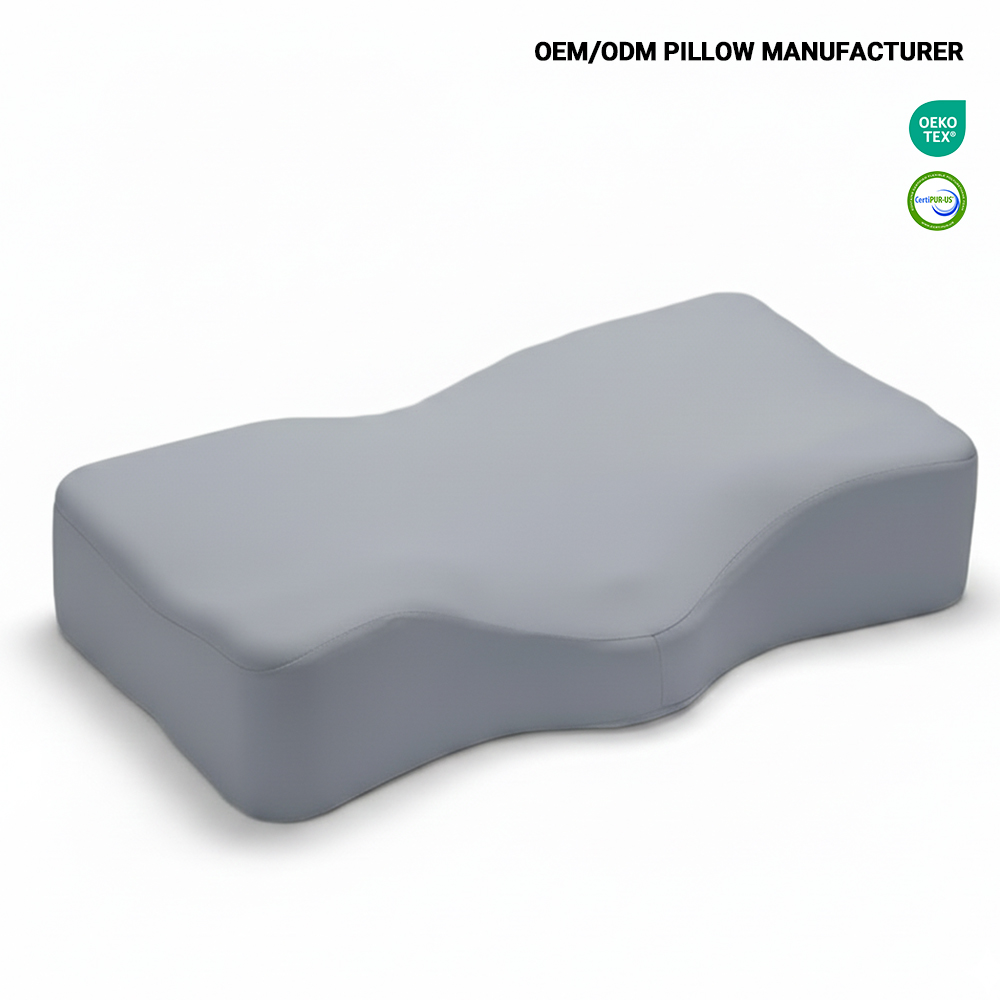
Finding the perfect pillow is the most critical step toward achieving restorative sleep. The ongoing debate between memory foam and latex has shaped the bedding industry for years. While both materials offer essential spinal support, they function through distinct mechanical principles. Recognizing these differences is vital for any consumer looking to optimize sleep health, as the material beneath the head directly influences neck alignment and pressure distribution throughout the night.
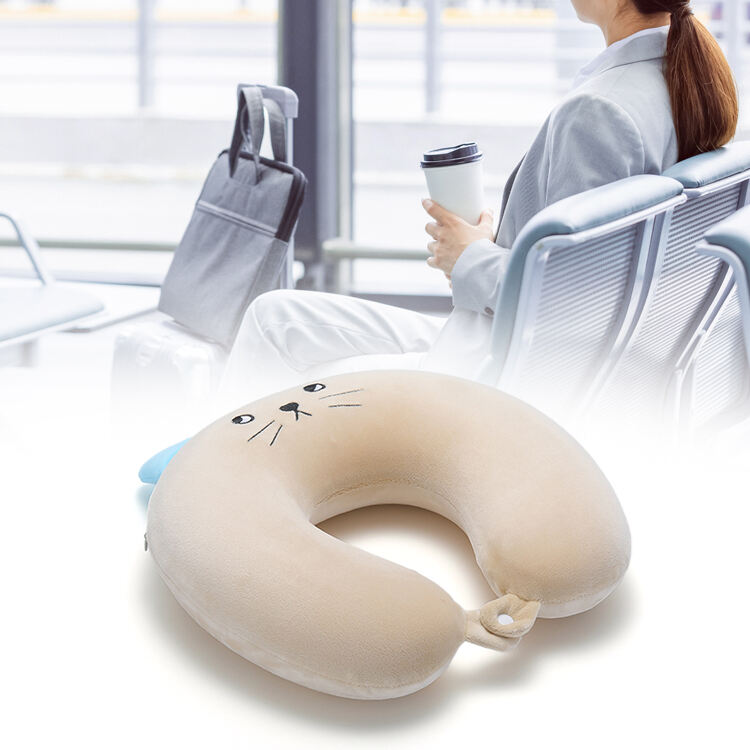
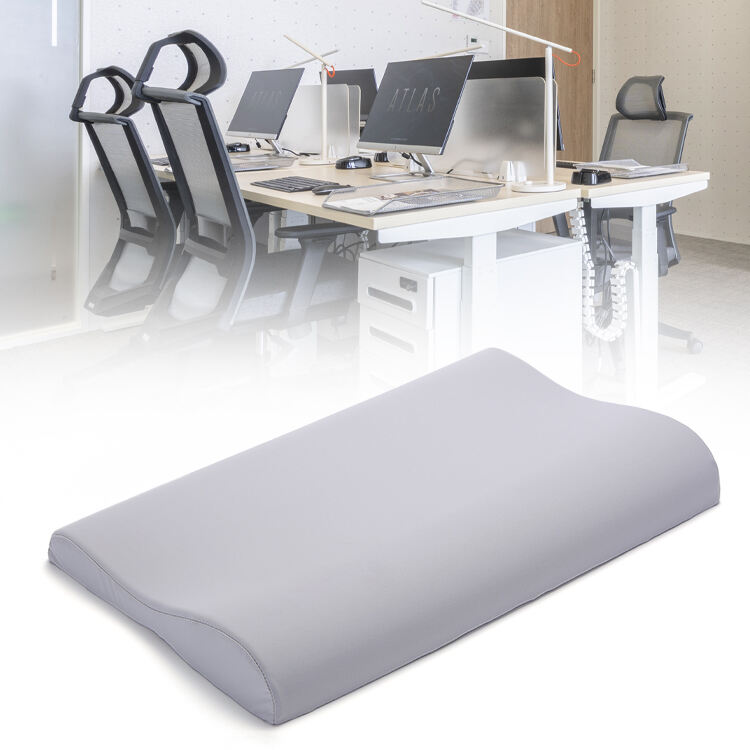
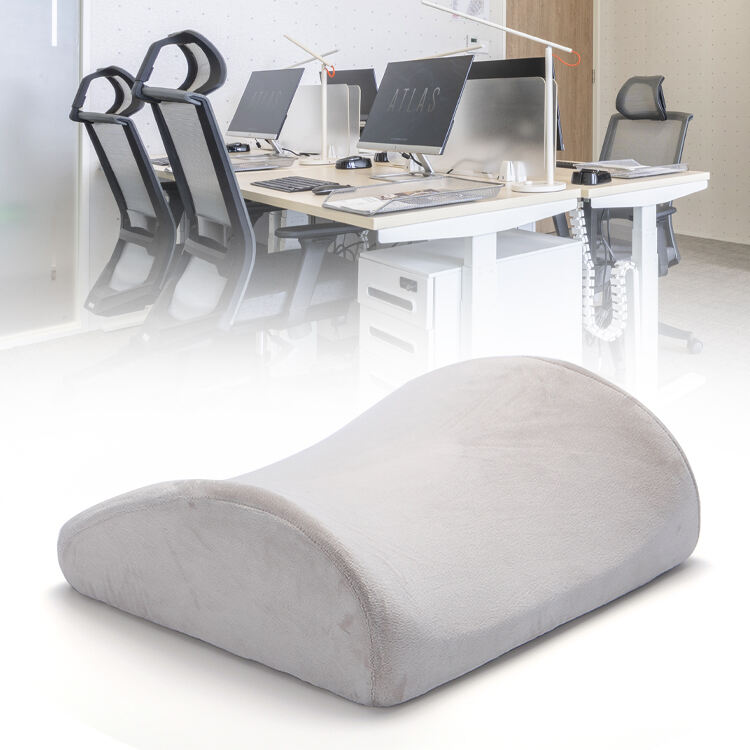
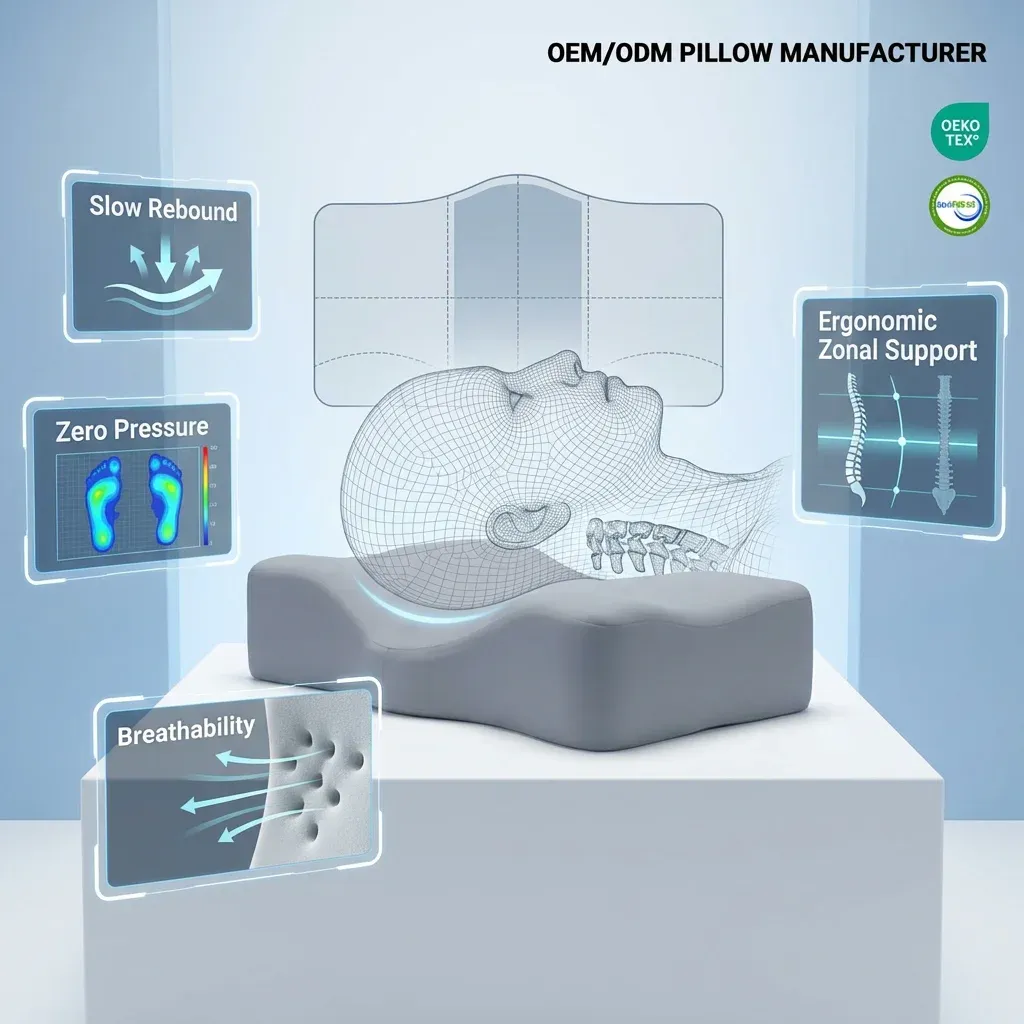
The Technical Science of Memory Foam Pillows Memory foam is engineered from visco-elastic polyurethane foam. Its primary technical advantage is its heat-activated contouring capability. When body heat and pressure are applied, the material softens, allowing the pillow to mold precisely to the unique geometry of the user's head and neck. This process effectively eliminates pressure points by facilitating weight distribution across a larger surface area. For individuals recovering from cervical strain or those requiring consistent, steady support, the slow-response nature of memory foam provides a stable, cushioned environment that prevents unnecessary physical movement during sleep cycles.
The Natural Performance and Resilience of Latex Latex pillows are crafted from the sap of rubber trees, utilizing a complex vulcanization process that creates a highly durable, open-cell structure. Unlike the sinking sensation of memory foam, latex provides immediate, buoyant support. This material is renowned for its high resilience, meaning it bounces back instantly when the head shifts positions. From a health perspective, natural latex is inherently antimicrobial and resistant to dust mites, making it an excellent selection for users with respiratory sensitivities. Furthermore, the internal cellular structure promotes consistent airflow, preventing the heat retention issues frequently associated with synthetic foams.
| Feature | Memory Foam Pillow | Latex Pillow |
| Responsiveness | Slow, progressive contouring | Immediate, high elasticity |
| Thermal Management | Moderate, heat-sensitive | High, naturally breathable |
| Support Profile | Deep cradling of anatomy | Surface elevation and buoyancy |
| Origin | Synthetic visco-elastic foam | Natural rubber tree sap |
Strategic Selection Based on Sleep Physiology Choosing between these materials depends on specific sleep physiology. Memory foam is ideal for individuals who require deep tissue relaxation and prioritize motion isolation. Conversely, latex serves those who prefer a responsive, cooling surface that maintains a consistent height throughout the night. Factors such as sleeping position, sensitivity to heat, and allergy history should dictate the final choice.
| Sleep Requirement | Recommended Material |
| Chronic Neck Pressure | Memory Foam |
| Excessive Night Sweating | Latex |
| Hypoallergenic Needs | Latex |
| Motion Isolation | Memory Foam |
Manufacturing Excellence and Supply Chain Integrity The production of high-performance sleep surfaces requires rigorous material sourcing and precision engineering. Welldo operates at the forefront of this industry, integrating advanced supply chain management with strict quality control protocols. By optimizing material density and structural integrity, Welldo delivers global-standard comfort solutions that satisfy both clinical ergonomic requirements and luxury bedding market expectations. Through consistent innovation in material processing, Welldo reinforces its position as a reliable partner in the international bedding supply chain.

Established in 2007, Welldo is a manufacture and trader specialized in the research, development and production of all kinds of memory foam pillows. We are located in Xiamen, with convenient transportation access. All of our products comply fit international quality standards and are greatly appreciated in a variety of different markets throughtout the world. In order to further enhance the company's strength and competitive edge, and at the same time respond to the call of the country