EN


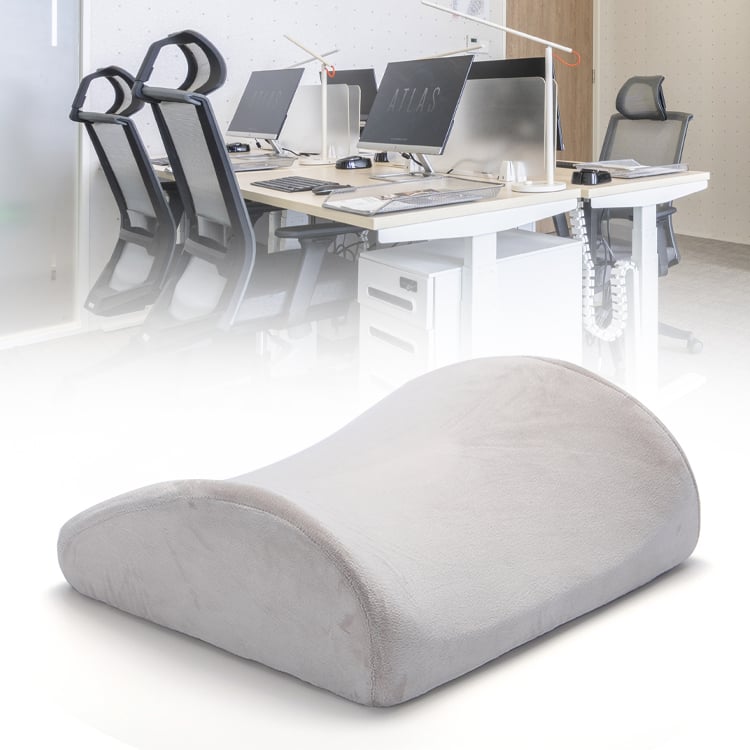

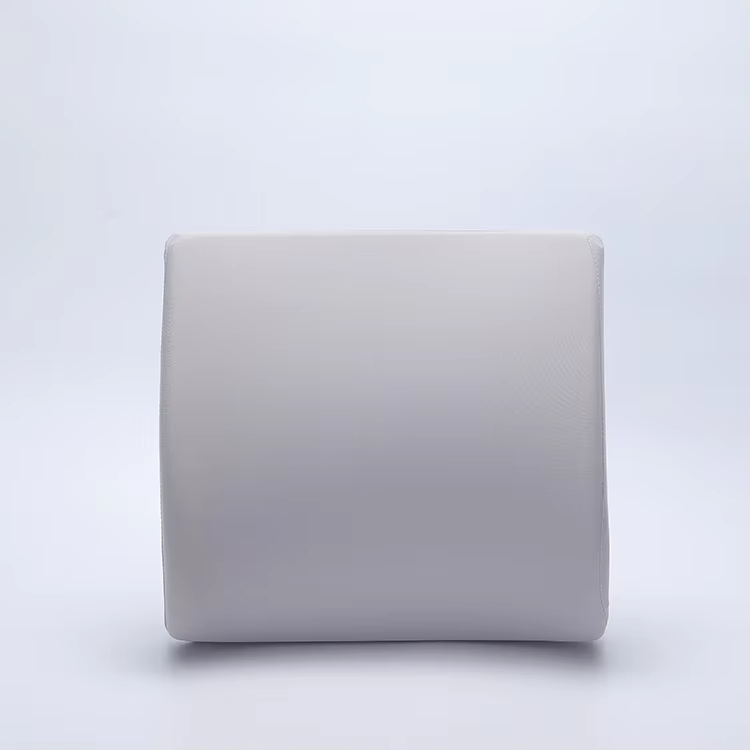
Sitting eight hours a day in a flat office chair slowly reshapes the body. A quality lumbar support cushion cannot cure poor habits, but it gives the lower back a structure to lean into, which is the first step in correcting sitting posture. The real question is not whether the foam exists, but whether the spine can actually use it while the person works. Most people feel the difference within a single shift once the gap behind the mid-back is filled.
When a chair back offers no contour, the pelvis eases into a posterior tilt and the natural hollow of the lower spine flattens. From there the upper body rounds forward and the head drifts ahead of the shoulders. Prolonged sitting also tightens the hip flexors, which later pulls the pelvis into an anterior pelvic tilt when standing, exaggerating the curve the other way. Either pattern removes the spine's neutral zone, and without lumbar support the slouch becomes the default shape that correcting later takes real effort.
A flattened lumbar zone forces the disc and ligament structures to carry load they were not shaped to bear. The deep stabilizers stop firing because the chair does the holding, so the superficial muscles fatigue and ache by mid-afternoon. Office health guidance such as OSHA workplace ergonomics notes that unsupported seated postures raise musculoskeletal complaint rates across desk-based teams. Left unaddressed, the ache becomes a daily baseline rather than an occasional signal, and the habit spreads to standing and walking as well. A breathable mesh cover and regular standing breaks slow the decline, yet the missing contour remains the core gap to close.
A wedge-shaped lumbar support cushion fills the gap behind the mid-back and pushes the pelvis back toward neutral. The viscoelastic foam molds to the individual shape, so the contour holds the spine's natural lordosis instead of letting it fold. A closer look shows the effect is mechanical first: the cushion changes where pressure lands, then the muscles adapt around that new, healthier resting line. This is why the shape matters more than raw firmness, and why a fixed flat pad rarely does the job. Foam density also sets how long the shape holds before it dips under daily weight.
Once the pelvis sits neutral, the rib cage stacks above the hips without conscious effort. The diaphragm drops into a calmer breathing pattern, and the neck stops jutting forward to balance the head. In practice, people describe feeling taller within minutes, though the change is postural, not structural. A steady cushion keeps that contact through the whole shift, which is the same principle ANSI/BIFMA seating guidance applies to healthy chair design.
Take the case of a regional office-furniture distributor fitting out a 200-seat client call center. Within three months of move-in, the facility manager logged a steady climb in seat and lower-back discomfort reports, most from staff who sat full shifts. The chairs were spec-compliant on paper yet offered no mid-back contour. The missing piece turned out to be simple lumbar support at the lower back. The team issued a contoured memory-foam lumbar support to every workstation and paired it with a short stand-stretch reminder each hour. Covers were washable and removable for shared desks, and the breathable mesh kept the foam from trapping heat during long shifts. Procurement chose a small-batch flexible supply so the distributor could refine the contour after the first feedback round rather than committing to a large locked order, which kept risk low during the pilot.
After eight weeks, the facility manager reported a clear drop in logged lower-back complaints and fewer requests for medical-room visits. Staff said they noticed less end-of-day stiffness, though the lumbar support did not remove the need to stand and move. The result matched the distributor's earlier reading of ISO 26800 ergonomics, which frames posture support as one part of a broader workstation system rather than a single standalone fix for seated strain.
A cushion is a passive aid, not a trainer. It holds the spine in a better resting line, yet the deep stabilizers only grow stronger through movement: walking, standing desks, and targeted mobility work. Think of lumbar support as training wheels that steady the body while the real strength builds elsewhere. The posture correction it offers is real while seated, but the body must still earn its own support when the cushion is not there. Short hourly walks do more for the stabilizers than any pad placed behind the back.
For procurement teams, inspect the contour shape against the user's chair back, confirm the cover is removable and washable, and check that the foam density rebounds without permanent dips. Ask suppliers for EU material inspection records and dust-mite resistant certification where relevant. Small-batch flexible supply helps pilot one department before a full rollout. A well-chosen cushion passes all three checks and extends the same posture habit from the office chair to the car seat. A foldable travel version keeps the same posture habit on the car seat and long flights.
So, can a lumbar support cushion correct sitting posture? It corrects the seated line by restoring the natural lumbar curve and nudging the pelvis toward neutral, which reduces the load that poor posture places on the spine. The correction is real but bounded: it is a passive aid that works while seated, not a cure for weak muscles. Pair it with movement, and posture improves where people spend their working hours, one shift at a time.
Can a lumbar cushion correct posture without exercise?
Answer: A lumbar cushion restores the spine's neutral line while seated, which is a real but limited correction. It holds the pelvis and lower back in a healthier resting position, yet the deep stabilizers only strengthen through movement. Think of lumbar support as a scaffold, not a cure: it reduces the load on tired muscles during the workday but cannot rebuild strength on its own. Pair it with short breaks for lasting change.
How long before posture correction becomes noticeable?
Answer: Most people feel a more upright, settled sitting position within the first few hours of use, because the contour fills the gap the chair leaves empty. Visible habit change takes longer: the body learns the new resting line over two to four weeks of consistent seating. The cushion speeds the process by removing the daily strain that reinforces slouching, but lasting posture correction still depends on regular standing and mobility breaks.
Which material suits a daily office support cushion?
Answer: Memory foam suits long office hours because viscoelastic material molds to the back and spreads pressure instead of creating a hard spot. A breathable mesh cover keeps heat from building during a full shift, and a removable washable cover handles shared desks. Check that the foam density rebounds without permanent dents after compression. For EU-bound orders, ask suppliers for material inspection and dust-mite resistant certification before committing to a bulk purchase.
Do these cushions reduce lower-back pain from sitting?
Answer: The cushion lowers the load on spinal structures by restoring the natural curve, which eases the ache that builds through a long seated day. It is a passive aid, so it reduces strain rather than treating an underlying condition. People with persistent or shooting pain should consult a clinician before relying on seating alone. Used as part of a broader routine with movement breaks, the support cushions make full shifts more comfortable for desk-based teams.
Where should the cushion sit against the chair back?
Answer: Position the cushion so its thickest part fills the hollow just above the belt line, roughly at the navel height when seated. The goal is to push the lower back forward into its natural arch, not to raise the shoulders. Secure it with the strap if the chair is fabric, or let the contour wedge into the gap on a fixed back. Test the placement by sitting normally and checking that the pelvis feels level.

Established in 2007, Welldo is a manufacture and trader specialized in the research, development and production of all kinds of memory foam pillows. We are located in Xiamen, with convenient transportation access. All of our products comply fit international quality standards and are greatly appreciated in a variety of different markets throughtout the world. In order to further enhance the company's strength and competitive edge, and at the same time respond to the call of the country