EN
EN



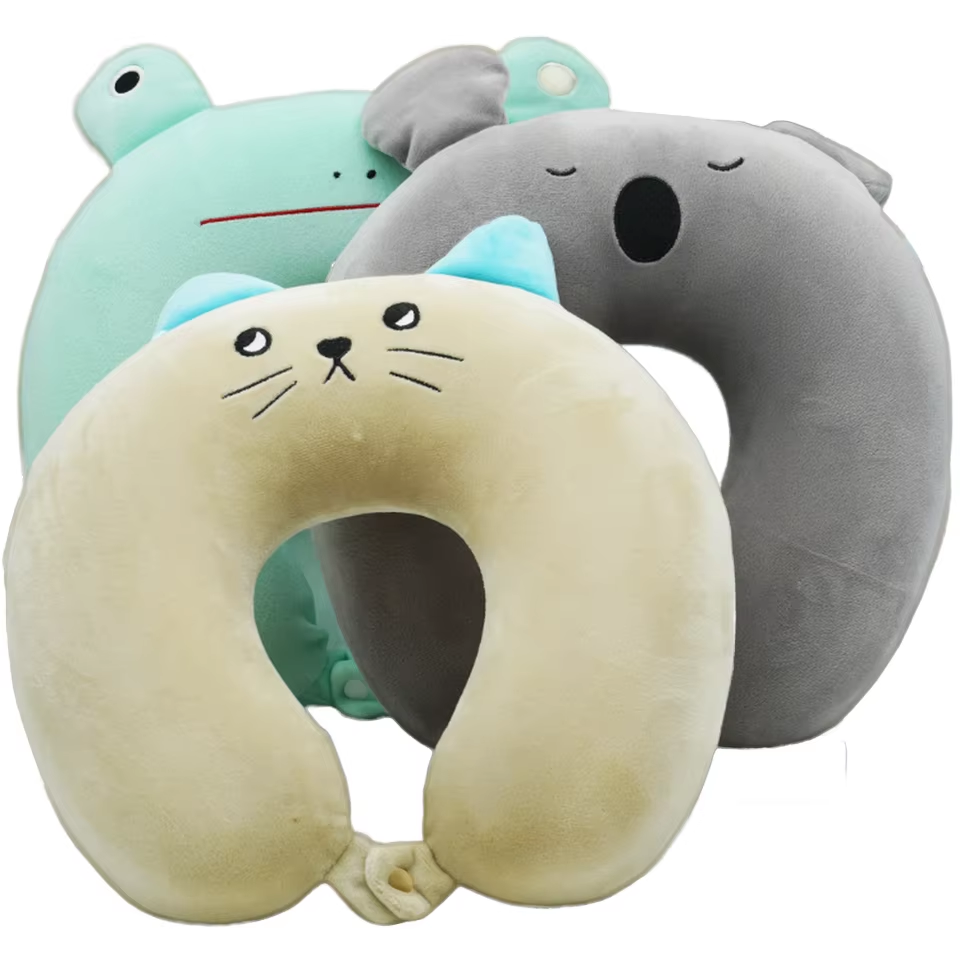
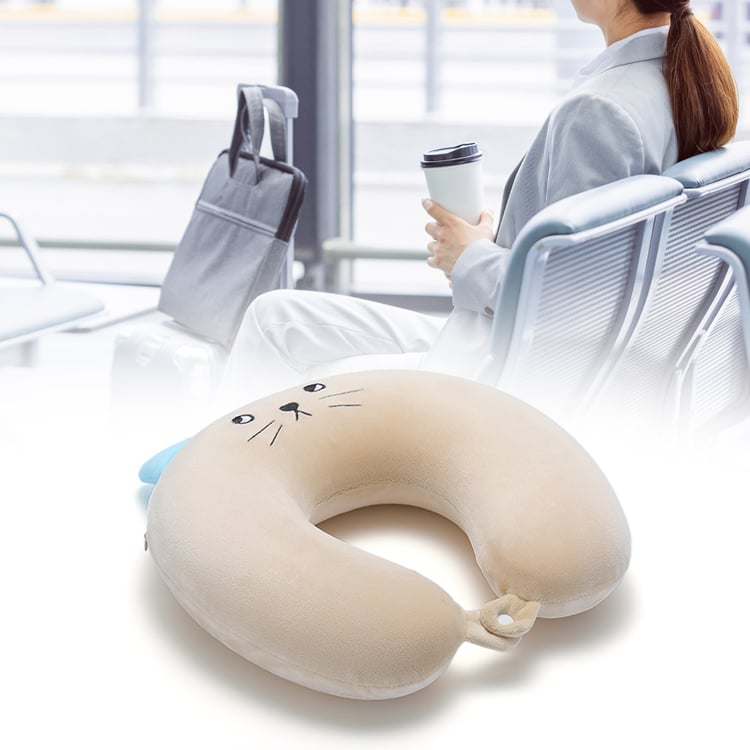
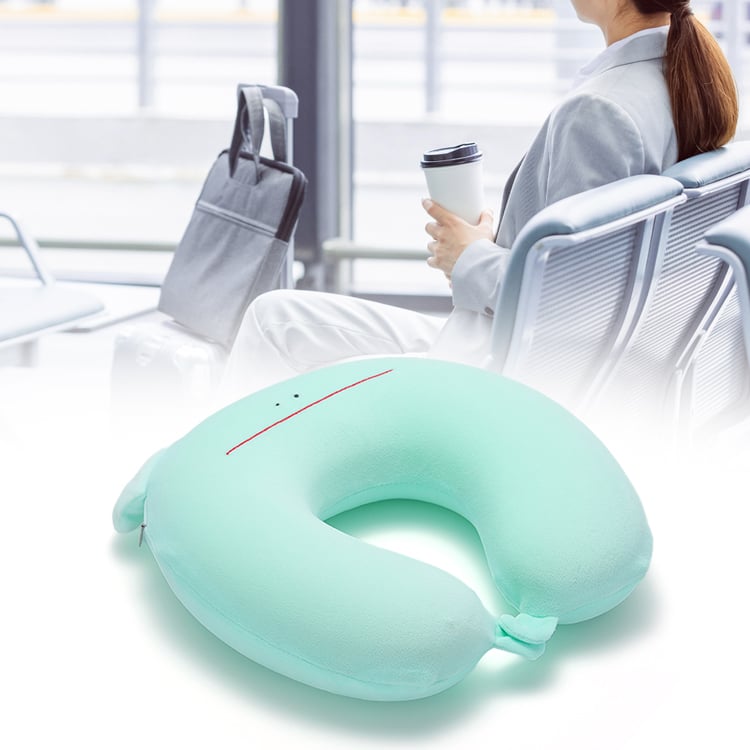
A u-shaped pillow is a contoured neck support shaped like the letter U, designed to cradle the cervical spine from both sides while leaving the back open. Many commuters, office workers, and frequent flyers pick it up hoping to ease the tight, aching feeling that builds across the shoulders and upper neck after long hours in one position.
Shoulder and neck stiffness usually starts with sustained poor posture. When the head tilts forward or leans to one side without support, the cervical spine loses its natural curve and the trapezius and levator scapulae muscles work overtime to hold the head's weight. This static load reduces blood flow, traps metabolic waste, and produces the familiar sore sensation. A u-shaped pillow targets this chain by adding external support, yet the root cause remains posture, not the product alone. Sedentary office routines, cramped airplane seats, and prolonged screen time all push the body into these strained positions. Cheap filled rings without contouring often fail because they lack the lateral wall that blocks side lean, so the benefit depends on shape, not label.
The u-shaped pillow works by filling the gap between the neck and the seat or headrest, giving the cervical spine a stable lateral boundary on both sides. Viscoelastic memory foam slowly conforms to the contour of the neck and shoulders, distributing contact pressure instead of concentrating it at one point. With the head gently centered, the deep neck flexors and upper trapezius no longer contract to fight gravity, so muscle tone drops and circulation improves. The slow rebound of viscoelastic material also dampens vibration from a moving vehicle, which is why travelers notice less jolting at the neck. The result is a noticeable reduction in perceived tightness during rest, though the pillow supports comfort rather than treats underlying medical conditions.
This support suits anyone whose neck would otherwise flop sideways during dozing. People who sit still for long stretches gain the clearest relief: frequent travelers on overnight buses or planes, remote workers taking short desk naps, and passengers in cars without adjustable headrests. It is less useful for side sleepers who need full head elevation, and it will not replace a structured cervical rehabilitation program prescribed by a clinician.
Airplane and coach seats rarely match an individual neck shape, so the head drifts and the neck twists during sleep. This neck support stabilizes the head against the window or seat back, limiting the abrupt micro-movements that wake people with a crick. For long-haul flights and train journeys it turns restless dozing into steadier rest, which lowers next-day stiffness. Portable travel bags and compressible fill make it easy to pack, and breathable mesh covers help on warm cabins.
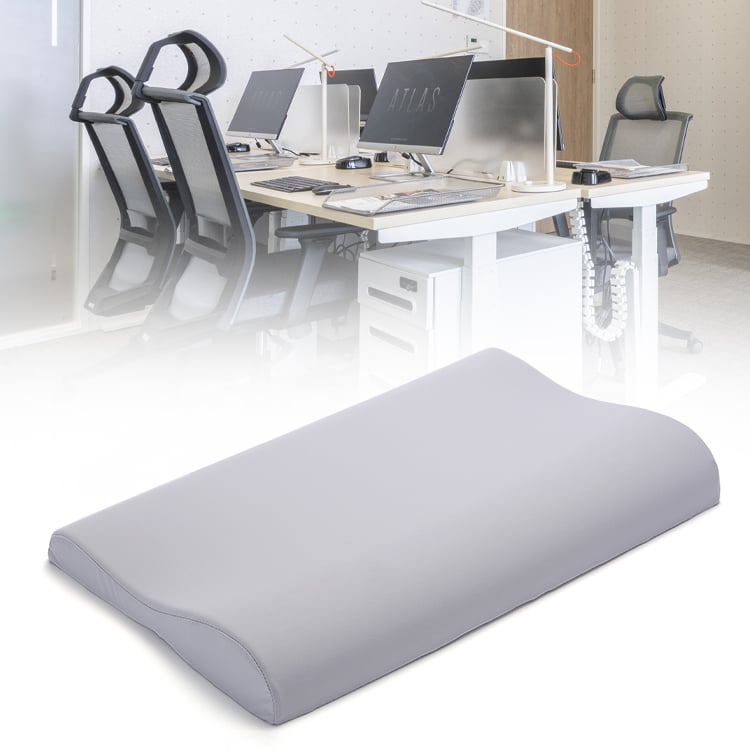
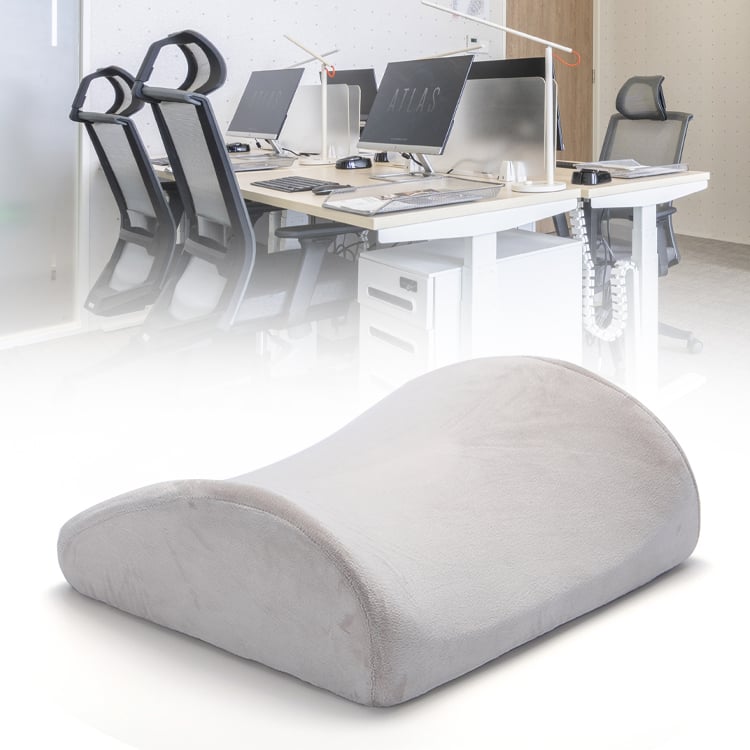
Many workers use a short lunch break to recharge at the desk. Without support, the neck bends sharply forward or sideways onto the arms, worsening the very tension they hoped to escape. Sliding a u-shaped pillow behind the neck lets the head rest near upright, keeping the airway open and the cervical curve intact. Pairing it with a seat cushion that lifts hip height further aligns the spine. OSHA workplace ergonomics guidance notes that neutral seated posture reduces musculoskeletal strain during rest as well as active work.
Beyond transport, this support fits quiet recovery moments: reading in bed, watching television reclined, or resting after physiotherapy. Some rehabilitation settings use similar U-shaped supports to keep the neck neutral between exercises. It is a low-cost way to maintain a supported position while the body recovers, complementing rather than substituting professional care.
When sourcing a u-shaped pillow, buyers should inspect foam density and rebound first. Quality viscoelastic foam holds shape after compression and resists bottoming out. Removable, washable covers made from breathable mesh improve hygiene, and dust-mite resistant fabric helps sensitive users. Look for foams meeting CertiPUR-US emission limits and covers tested to OEKO-TEX Standard 100 for skin-safe contact. Plants running ISO 9001 systems and products evaluated against BIFMA seating-performance benchmarks signal consistent manufacturing control. A European home-textile distributor once faced repeated returns on travel pillows that flattened within weeks; after switching to a verified memory-foam supplier with documented quality systems, the same retail line saw steadier shelf performance and fewer comfort complaints.
Use the u-shaped pillow with the open end at the back of the neck and the thicker arms under the jaw and behind the ears. Adjust clothing or seat recline so the head sits centered, not tilted. Wash the cover regularly, air-dry the foam away from direct heat, and store the item loose rather than compressed to preserve rebound. Inspect seams and pull-resistant stitching each month; replace when the foam no longer returns to shape. These habits extend usable life and protect the comfort that made the purchase worthwhile.
A u-shaped pillow can reduce shoulder and neck stiffness in specific everyday situations by holding the cervical spine in a supported, neutral position and letting overworked muscles relax. It helps most during travel, office naps, and short recovery breaks, yet it cannot cure structural problems or replace medical care. Choose foams and covers verified to recognized safety and quality benchmarks, position it correctly, and maintain it well to get lasting value from the support.
Can a u-shaped pillow replace a medical neck treatment?
Answer: This support offers comfort, not clinical therapy. It helps relax muscles and steady the head, yet persistent pain, numbness, or radiating symptoms need a clinician's evaluation. The product suits daily posture relief and travel rest, not diagnosis or treatment of cervical disorders. Users with prior injury should follow professional guidance and treat it as a comfort aid only.
How long should someone use the support each session?
Answer: Short rest periods suit most users. Many travelers and office nappers use it for twenty to forty minutes during a break, which is enough to let muscles release without encouraging poor posture. Longer continuous wear is unnecessary and may let the head settle into a slouched angle. Remove it once active tasks resume, and stand or stretch briefly to restore natural movement.
What fill material works best for travel use?
Answer: Viscoelastic memory foam balances support and packability for most travelers. It conforms to neck contours and returns to shape after compression, unlike hollow fiber that clumps. A medium density foam resists bottoming out yet stays light. Covers should be breathable mesh and removable for washing. Choose foams meeting CertiPUR-US emission limits for lower chemical exposure during long, enclosed flights.
Which signs show the support no longer fits well?
Answer: Replace or adjust when the foam stays compressed after pressure, when the head still droops sideways, or when seams split under normal use. A flat, shapeless form no longer holds the cervical curve, so stiffness returns. Pull-resistant stitching that frays signals worn construction. Inspect monthly and compare rebound against a new unit to decide whether the item still earns its place in a travel kit.
When should a buyer choose a firmer model?
Answer: A firmer model suits broader necks, heavier users, or those who feel a soft version collapse under load. Firm foam keeps the head centered on long flights and prevents the chin from dropping. Yet too much resistance can push the jaw upward and strain the throat. Test rebound by pressing firmly; the surface should slow-return without feeling rigid. Match firmness to body size and typical resting posture.

Established in 2007, Welldo is a manufacture and trader specialized in the research, development and production of all kinds of memory foam pillows. We are located in Xiamen, with convenient transportation access. All of our products comply fit international quality standards and are greatly appreciated in a variety of different markets throughtout the world. In order to further enhance the company's strength and competitive edge, and at the same time respond to the call of the country