EN
EN



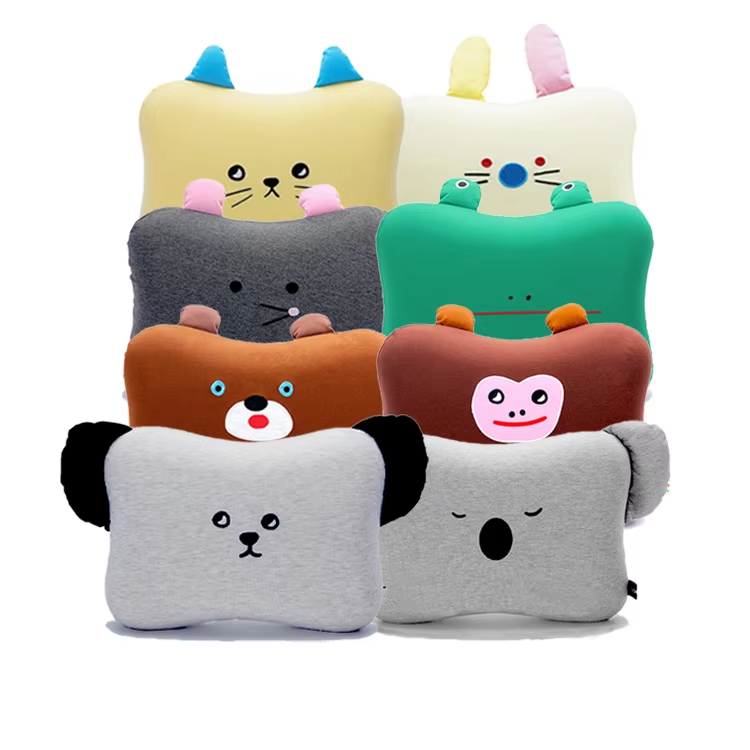
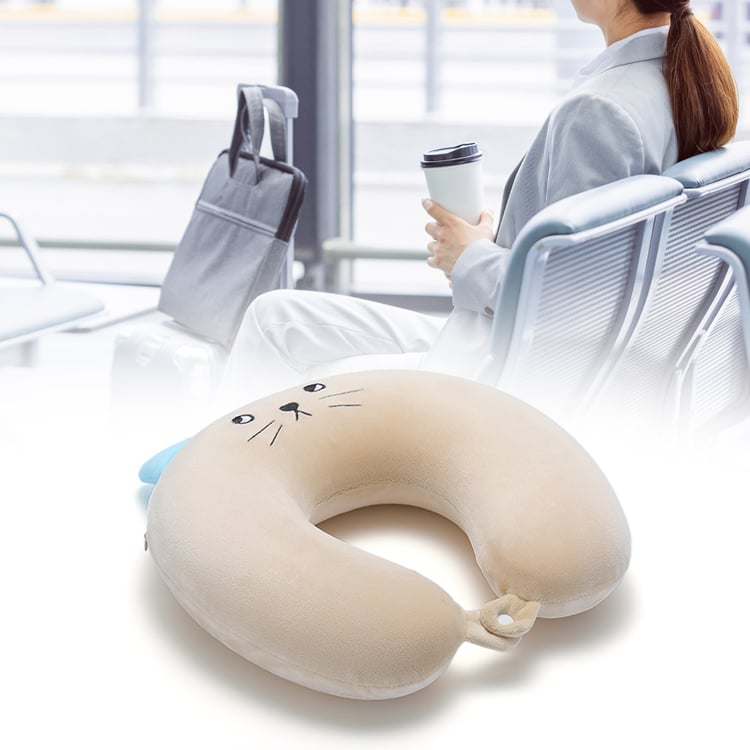
Global distributors, Amazon sellers, and hotel procurement teams keep returning to a short list of best selling pillows, and the reason is rarely the advertisement. It is the commercial fit: a product that can be branded, stocked, shipped, and cleared through customs without surprises. For a buyer, the pillow is not only a sleep item but a supply-chain decision with margin, lead time, and compliance attached to every unit.
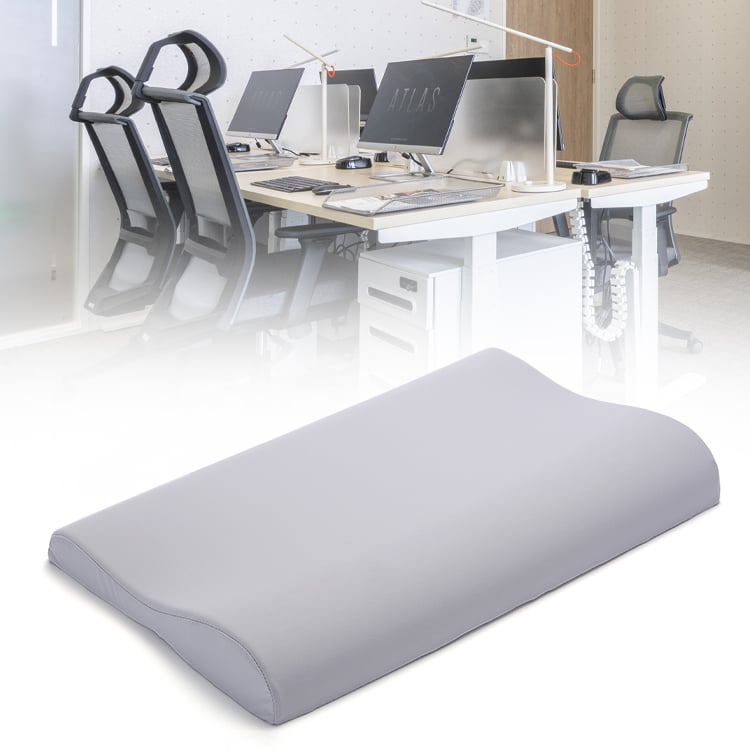
When a distributor adopts best selling pillows, the first question is control over the product itself. OEM lets the buyer apply a private label to a proven shape, while ODM hands the buyer a factory-developed design that can be tuned for firmness, cover fabric, and size. A European home-textile distributor, for example, may request a viscoelastic memory foam fill with a breathable mesh cover and a washable removable cover, then sell it under its own brand. The factory's job is to translate that brief into a repeatable, documented build. This flexibility is why many catalogs grow around a few reliable foam shapes instead of chasing every trend.
Minimum order quantity decides whether a newcomer can test a market without tying up capital. With best selling pillows, a 300-unit MOQ program lets an e-commerce seller run a six-week Amazon test, read conversion, and reorder only what sells. Larger buyers use volume MOQ to lock better per-unit economics on repeat orders. The risk-control logic is simple: small first orders cap downside, while proven demand unlocks scale. That is the mechanics behind trial-and-repeat purchasing across borders.
A pillow looks simple, yet a missed production slot means an empty listing and lost rank. Buyers prefer best selling pillows from suppliers with 4620+ m² plants and 70+ workers because capacity absorbs demand spikes before holidays. Predictable lead times let distributors plan ocean freight and avoid air-shipping penalties. When a seat cushion or neck pillow shares the same production line, consolidated runs shrink both minimums and delays. Buyers also track on-time delivery rate as a core supplier scorecard metric during vendor reviews. Reliability, not speed alone, is what protects a seller's search visibility month after month.
Cross-border shipping fails on paperwork as often as on price. Commercial invoices, packing lists, and HS codes must match, and dual-language labels prevent holdups at destination ports. A reinforced carton with moisture barrier keeps viscoelastic foam from compressing in transit, protecting the dust-mite resistant and pull-resistant properties buyers expect. Hotels and retailers both reject crushed stock, so packaging is a quality step, not an afterthought. Solid export discipline is what keeps best selling pillows moving through reorders without interruption. Buyers reward suppliers who ship complete, accurate paperwork on the first attempt.
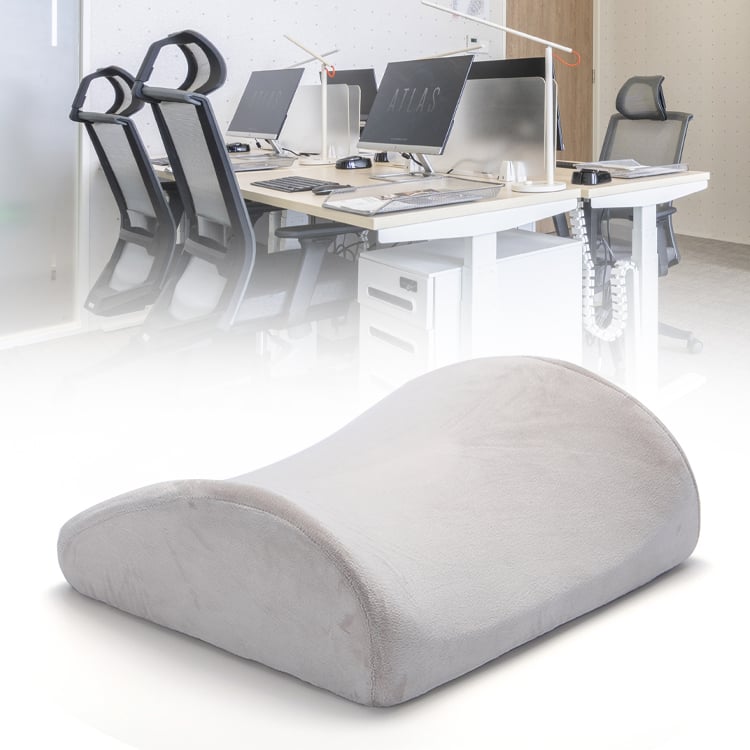
Compliance is where procurement separates a serious factory from a trading company. Foams meeting CertiPUR-US emission limits address VOC and banned-chemical concerns for North American buyers. Covers tested to OEKO-TEX Standard 100 reassure brands that textile touching skin is safe. Plants running ISO 9001 systems document how each batch is built, which matters for traceability. For ergonomic seat and lumbar support items, BIFMA and ANSI performance references guide durability testing. These benchmarks turn best selling pillows from a commodity into a defensible, market-ready product.
A certified foam means little if a buyer cannot prove which batch shipped where. Lot-level traceability links raw material, production date, and test record to a carton, so a customs query or a comfort complaint resolves in hours, not weeks. Correct care-label language also keeps a brand inside destination rules on fiber content and flammability. For hotel procurement, documented compliance shortens vendor onboarding and removes a recurring audit headache. Transparent records are the quiet engine behind trusted, repeatable imports of best selling pillows.
A mid-size European distributor wanted to add memory foam pillows but faced a saturated shelf with aggressive price competition and strict EU textile rules. The team had limited warehouse budget and no in-house design, so a large commitment was too risky. Their problem was not demand but the inability to enter without a flexible partner who could brand a compliant product at a low starting quantity.
The distributor chose a supplier offering OEM private labeling on a proven viscoelastic shape, with a 300-unit MOQ and OEKO-TEX certified covers. A small pilot sold through in five weeks; the factory then adjusted firmness using ISO 9001 batch feedback and held lead times steady through peak season. The effect was a quarterly reorder contract and a private-label line that now anchors the distributor's bedroom category across three markets, proving why best selling pillows suit repeat B2B procurement.
Global buyers return to best selling pillows because the decision is commercial before it is consumer. OEM and ODM flexibility, sensible MOQ tiers, dependable supply chains, and documented compliance together lower the risk of every order. For distributors, Amazon sellers, and hotel procurement, that combination protects margin, ranking, and reputation at once. The winners are not the lowest-priced listings but the partners who make repeat business predictable.
What should buyers check before approving a pillow OEM sample?
Answer: A buyer should verify foam density, cover fabric, stitching, and labeled dimensions against the approved spec. Request a third-party test for VOC and skin-safe textile limits, and confirm the care label language matches the destination market. Inspect a production-run sample rather than a handmade prototype, since mass production reveals consistency gaps. Documenting these checks before sign-off prevents costly recalls and protects the brand's reputation on every future reorder.
How does low MOQ reduce risk for a new Amazon seller?
Answer: A low minimum order quantity lets a seller test a product with limited capital and limited warehouse space. If the listing underperforms, losses stay small and dead stock is minimal. Strong early sales then justify a larger reorder at better per-unit cost. This staged approach protects cash flow and avoids the panic of air freight when inventory runs low. Many sustainable private-label launches begin with a cautious first batch rather than a full container.
Why do European buyers ask for OEKO-TEX certified covers?
Answer: European retailers and distributors face strict textile regulations and high consumer expectations for skin-safe materials. Covers tested to OEKO-TEX Standard 100 confirm that dyes and finishes are assessed for harmful substances, which simplifies customs clearance and reduces complaint risk. Certification also supports marketing claims that a brand can defend if challenged. For a buyer serving sensitive users such as children or allergy-prone sleepers, verified textile safety is a practical requirement, not a nice-to-have extra on the spec sheet.
Can a distributor mix pillow and cushion SKUs in one shipment?
Answer: Yes, a distributor can consolidate pillows with seat cushions, neck pillows, and lumbar supports in a single ocean shipment when the supplier shares production lines and carton sizes. Mixed SKUs raise container utilization and lower per-unit freight, but the packing list and HS codes must stay item-accurate to clear customs smoothly. Buyers should confirm that fragile shapes get separate reinforcement. Consolidation works well for established partners with stable demand and reliable forecast accuracy across categories.
Which documents prove compliance at customs?
Answer: A buyer should assemble the commercial invoice, packing list, HS classification, material test reports such as CertiPUR-US or OEKO-TEX, and a certificate of conformity where required. These best selling pillows then clear borders with verifiable proof of foam emissions and textile safety. Lot traceability linking tests to cartons answers any customs query within hours. Keeping a digital file per shipment turns compliance from a hurdle into a repeatable routine that protects both the brand and the importing license.

Established in 2007, Welldo is a manufacture and trader specialized in the research, development and production of all kinds of memory foam pillows. We are located in Xiamen, with convenient transportation access. All of our products comply fit international quality standards and are greatly appreciated in a variety of different markets throughtout the world. In order to further enhance the company's strength and competitive edge, and at the same time respond to the call of the country