EN
EN



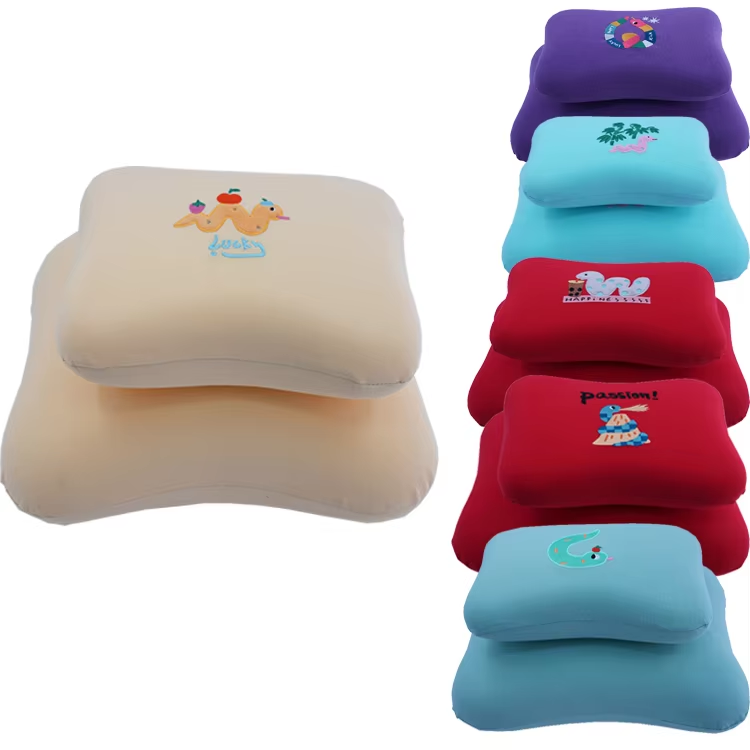
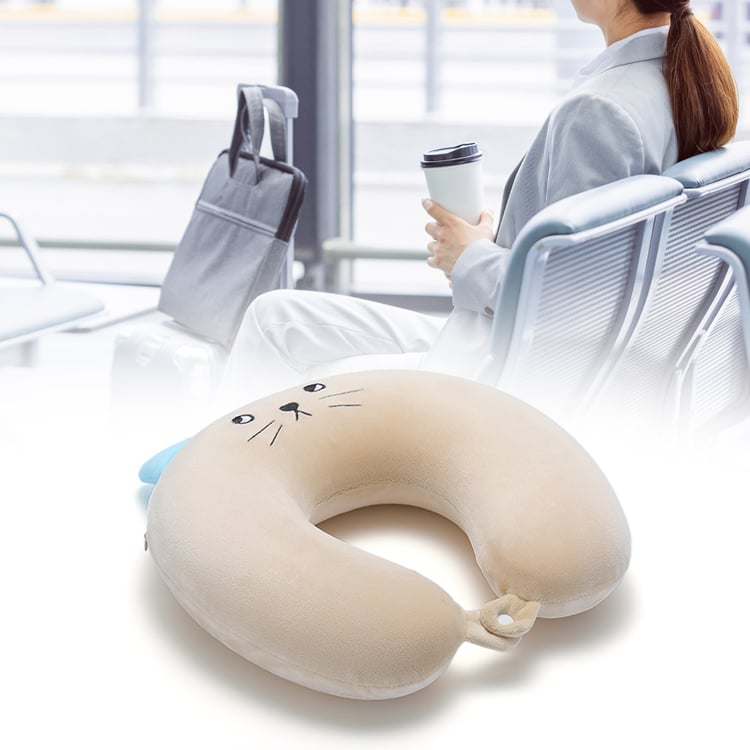
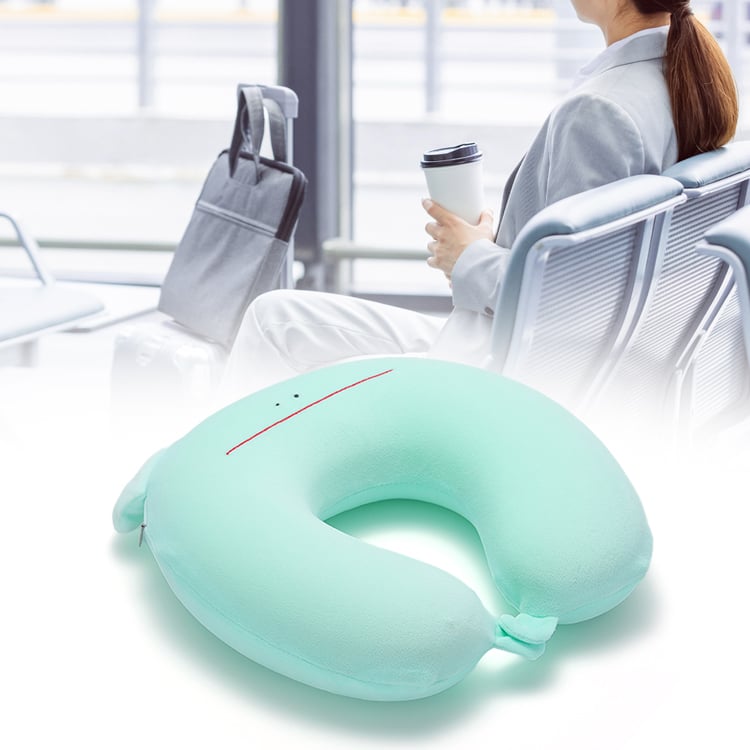
A portable neck pillow earns its place in any travel kit only when it stays clean, dry, and ready to use. After a long flight or train ride, most travelers stuff the cushion loosely into a suitcase and forget it until the next trip. That habit slowly breaks down the foam and lets odor build up. This guide explains how to fold, compress, and store the support so it keeps its shape and stays hygienic between journeys.
Viscoelastic memory foam does not behave like ordinary sponge. When a neck pillow is folded tight and held compressed for weeks, the material enters a low-recovery state. Heat and body weight normally help the cells spring back, but during storage the foam sits cold and undisturbed. Slow viscoelastic rebound means permanent dents can form if pressure stays in one spot. Understanding this physics explains why gentle, even folding beats hard creasing every time.
A crease pressed into foam becomes a weak line. Repeated sharp folds create compression set, the permanent loss of thickness that stops the neck pillow from supporting the neck as designed. Travel buyers who receive returned goods often trace the complaint to crushed corners from poor packing. Protecting the curve preserves the ergonomic profile that made the product worth buying. Small storage habits prevent expensive replacements later.
Temperature also drives foam behavior. Warm rooms keep cells flexible, while cold storage makes the material stiff and easier to crack along a fold. Keep the item away from radiators and direct sun, since heat speeds chemical breakdown of the polyurethane structure. A stable, cool, dry shelf gives the longest safe pause between trips without stressing the core.
Rolling a neck pillow works well for soft, flexible fill and for U-shaped designs with a continuous loop. Beginning at one end and rolling toward the clasp keeps the inner channel even. A rolled pillow slips into side pockets of a backpack and resists accidental bending. Choose rolling when the foam feels pliable and the cover is thin. It suits daily commuters who pack and unpack the same item several times a week.
A firm neck pillow resists rolling and prefers soft stuffing into its own bag. Stuffing means pushing the item loosely inside without shaping, which suits high-density blocks that would crease under force. The included pouch breathes through mesh panels, so the foam stays aired. Stuffing is faster at airport security and avoids tight coils that stress the material. Use this method for rigid shapes that recover slowly after compression.
Many products ship with a drawstring or zip sack sized for the item. Place the neck pillow inside, press out trapped air, then close. A compression sack reduces bulk so the pillow shares space with clothes instead of dominating the case. Avoid over-tightening straps that pinch the foam edge. A snug but not crushing fit keeps the curve intact through long-haul transit.
Checked luggage gets tossed, stacked, and squeezed. Slide the bagged pillow into a corner away from hard objects like shoes or bottles. A soft shell of clothing around it absorbs shock and blocks moisture. Consider a real case: a North American e-commerce seller imported a batch of neck pillow units but packed them flat under heavy goods. Many arrived with crushed edges and a wave of returns followed. The seller switched to roll-and-bag packing with inner dividers and ISO 9001 style process checks. Return rates dropped and customer ratings climbed. Shape protection at every handling step protects the customer experience.
Sweat and skin oils collect on the cover after each trip. This neck pillow care step starts with a washable, removable cover that detaches for a gentle cycle. Dry it fully before reassembly; trapped dampness feeds odor and dust mites. Covers tested to OEKO-TEX Standard 100 stay safe on skin even with frequent washing. Clean fabric means the next journey starts fresh, not musty. This step matters more than many buyers expect.
After cleaning, the neck pillow should stay in a breathable spot, never sealed in plastic for months. A linen shelf or open mesh bin allows airflow that stops mildew. Foams meeting CertiPUR-US emission limits still need ventilation to stay neutral in smell. Avoid damp basements and hot car trunks where heat accelerates foam aging. Buyers evaluating support claims can check products against BIFMA and ANSI seating benchmarks, while OSHA guidance on seated posture shows why cervical support matters during long travel. Good storage conditions extend usable life and keep every trip comfortable.
Before purchase, inspect the cover seam and zip, and confirm the supplied bag matches the item size. Plants running ISO 9001 systems tend to hold steadier tolerances on foam density. Ask for foam spec sheets that reference CertiPUR-US emission limits and request OEKO-TEX proof for the textile. These checks protect procurement budgets and keep travelers safe.
A well-kept neck pillow rewards the traveler with consistent support trip after trip. Fold or stuff by foam type, use the supplied bag, clean the cover, and store with airflow. These steps protect shape, hygiene, and comfort while cutting replacement cost. Smart storage turns a simple travel item into a reliable companion for years of journeys.
How do you fold a U-shaped travel pillow without creasing the foam?
Answer: Start by locating the clasp or opening, then press the two ends gently toward the center rather than bending at a sharp angle. For flexible fill, a loose roll keeps the inner channel even and avoids a fixed crease line. Firm foam prefers soft stuffing into the supplied pouch. Never force a tight fold that pinches the edge, since that pressure point becomes a permanent dent over time.
Can a memory foam travel pillow be machine washed?
Answer: A memory foam neck pillow should never go into a washing machine as a whole unit, because soaking the core destroys rebound and invites mildew. Only the removable cover is machine safe on a gentle cycle. After washing, air dry the foam away from direct heat. If the core gets damp, press out water with a towel and let it breathe for a full day. Proper separation of foam and fabric keeps the support healthy for years.
Why should the pillow stay out of sealed plastic during storage?
Answer: Trapped air inside a sealed bag holds moisture that the foam cannot release, creating a warm home for mold and odor. Viscoelastic material needs slow, open airflow to keep its neutral smell and full thickness. A breathable mesh bin or linen shelf lets the product dry between trips. Long sealed storage also raises compression set risk. Open storage protects both hygiene and the ergonomic shape buyers paid for.
What is the fastest way to pack a pillow for a short trip?
Answer: Grab the supplied pouch and stuff the item in loosely without shaping, then press out air and zip closed. This takes seconds at a security line and keeps the form safe from hard baggage edges. For a soft fill, a quick roll toward the clasp works too. Keep the bag in an outer pocket for easy access on the plane. Fast packing still respects the foam by avoiding sharp, tight creases.
Do breathable travel bags really prevent odor between trips?
Answer: Yes, mesh and vented panels let trapped warmth escape so sweat and skin oils do not sour inside the bag. A washable cover handles the surface, while the open structure keeps the core dry between uses. Choose bags with real airflow rather than decorative holes. Pair the bag with a dry shelf at home for consistent results. Regular airing turns a simple pouch into a reliable odor control step.

Established in 2007, Welldo is a manufacture and trader specialized in the research, development and production of all kinds of memory foam pillows. We are located in Xiamen, with convenient transportation access. All of our products comply fit international quality standards and are greatly appreciated in a variety of different markets throughtout the world. In order to further enhance the company's strength and competitive edge, and at the same time respond to the call of the country