EN
EN



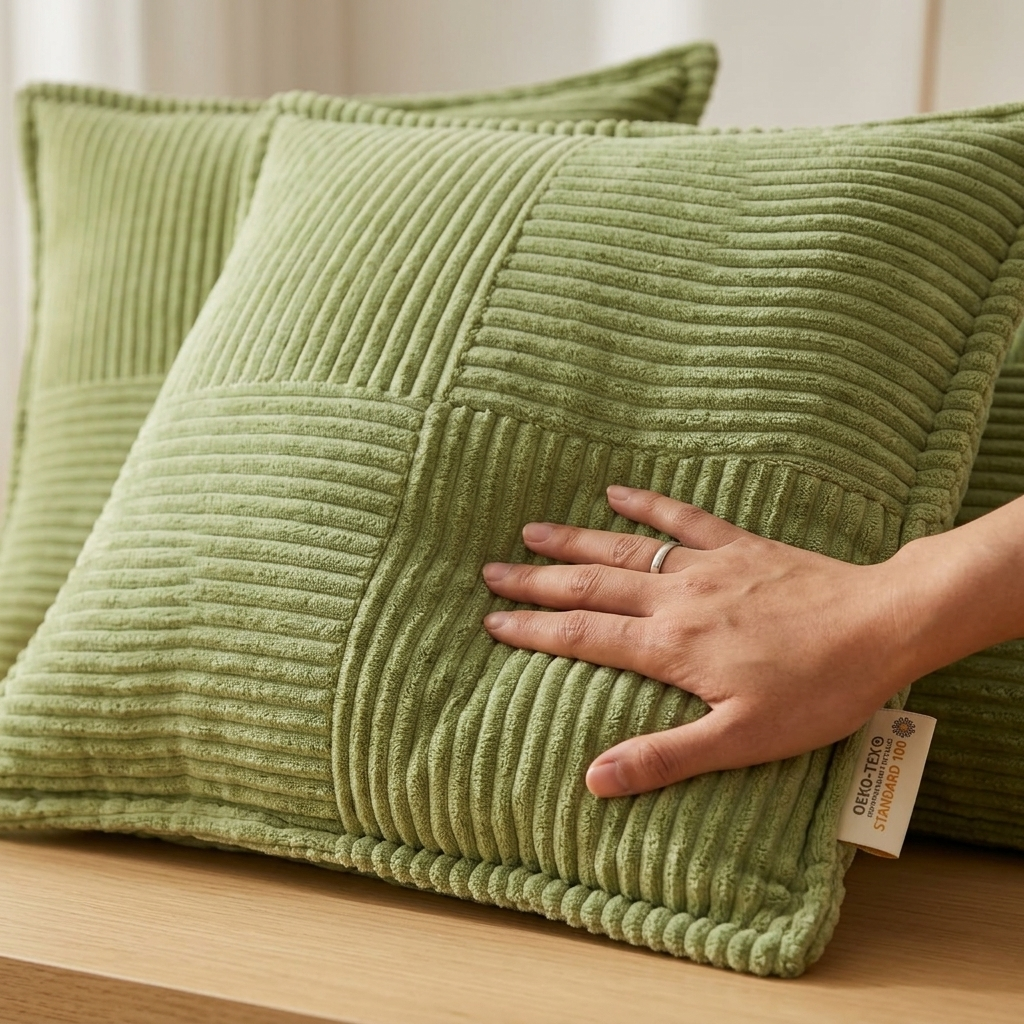
During pregnancy, the hormone relaxin softens connective tissues systemically—not just in the pelvis—to accommodate childbirth. This includes ligaments stabilizing the knee, such as the medial patellofemoral ligament, which lose tensile strength. As a result, passive joint stability declines, increasing susceptibility to patellar maltracking and subluxation. Even routine activities like standing or walking can provoke anterior knee pain. While quadriceps control must compensate for reduced ligamentous support, many pregnant individuals experience muscle fatigue or weakness—further compromising dynamic knee alignment. Subtle shifts in alignment raise overuse injury risk. A properly positioned knee rest helps by offloading the joint and maintaining a safe, slightly flexed posture that reduces patellofemoral stress.
A typical pregnancy adds 25 to 35 pounds, concentrated anteriorly in the abdomen. This shifts the center of gravity forward, triggering compensatory increases in lumbar lordosis and anterior pelvic tilt. These postural adaptations widen the quadriceps angle—the angle between the femur and tibia—intensifying lateral pull on the patella during knee extension. Biomechanical studies show patellofemoral joint reaction forces rise by 20 to 30% per step in the third trimester. Combined with relaxin-induced laxity, this elevated load and altered alignment heighten risk for persistent pain and functional limitation. A well-designed knee rest supports realignment and pressure redistribution—making it a practical, non-invasive adjunct to maintain mobility and comfort.
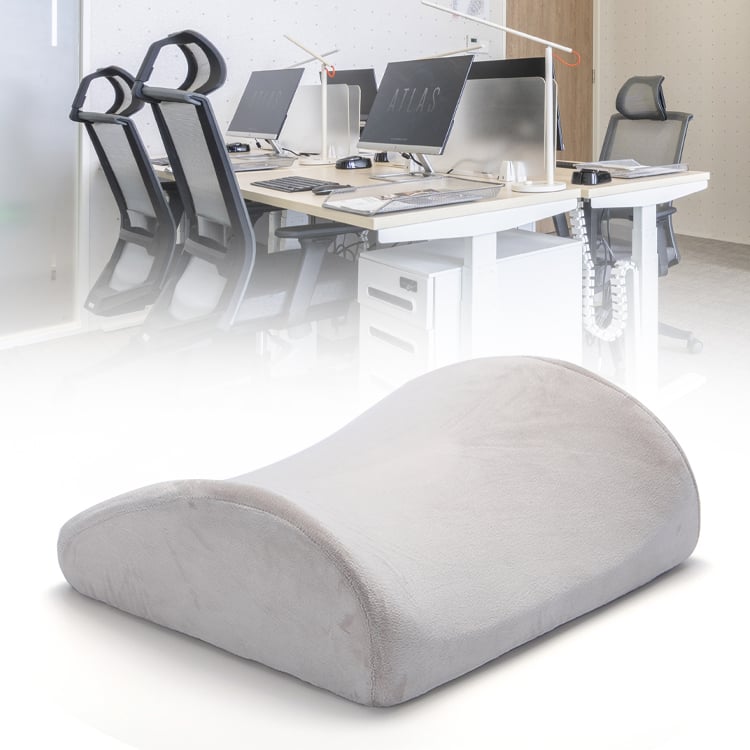
A knee rest that maintains 15 degrees of flexion directly addresses pregnancy-related patellofemoral instability. At this angle, the vector of quadriceps force shifts favorably, reducing patellofemoral compression by 32% compared to full extension—a finding validated in controlled biomechanical testing. This position avoids the high-stress zone of terminal extension while allowing muscular relaxation. For pregnant individuals, whose ligamentous laxity peaks in the third trimester, 15-degree flexion limits excessive patellar tracking and lowers cartilage irritation risk. It also reduces co-contraction of quadriceps and hamstrings, easing the tension that fuels chronic knee discomfort. In essence, precise angular support transforms passive sitting into a therapeutic strategy.

Elevating the legs with gentle knee flexion improves circulatory function beyond joint relief. A 15 to 20-degree incline of the lower limb relative to the hip enhances venous return by counteracting compression from the gravid uterus on pelvic veins. In a controlled trial, participants using knee-supporting elevation showed a 25% increase in popliteal vein flow velocity versus flat leg rests. This hemodynamic improvement directly mitigates dependent edema—a common late-pregnancy complaint. Better circulation also accelerates metabolic waste clearance from fatigued calf and ankle muscles, relieving heaviness and aching. Together with patellofemoral unloading, the knee rest delivers dual physiological benefits: reduced joint strain and enhanced fluid dynamics.
While beneficial when used correctly, a knee rest can pose risks if improperly positioned—especially in the third trimester. Excessive elevation may close the hip angle beyond 90 degrees, forcing thighs against the abdomen and increasing intra-abdominal pressure. This compresses internal organs and directs downward force onto the pelvic floor—already softened by relaxin and strained by fetal weight. Such positioning can worsen pelvic girdle pain or contribute to dysfunction.
Crucially, any posture that disrupts spinal neutrality or destabilizes the pelvis transfers stress away from the knees and toward vulnerable pelvic structures. To prevent harm, users should maintain a hip angle greater than 90 degrees, ensuring the knee rest functions as supportive rather than compressive.
Selecting a knee rest requires balancing biomechanical efficacy with anatomical safety. Prioritize a contour design that gently cradles the knee at approximately 15 degrees of flexion—the angle shown to reduce patellofemoral joint load by up to 32% without overstressing lax ligaments. Avoid models encouraging excessive hip flexion or wide thigh abduction; instead, choose a low-profile, adjustable option that preserves neutral hip alignment and pelvic stability. Materials should offer resilient yet pressure-relieving support, paired with a breathable, hypoallergenic, removable cover for hygiene. Because individual anatomy and conditions—including symphysis pubis dysfunction or prior pelvic floor issues—can influence safety and effectiveness, always consult your obstetric provider or pelvic health physical therapist before integrating a knee rest into daily routines.
Why does relaxin affect knee biomechanics during pregnancy? Relaxin softens ligaments systemically, reducing knee stability, which increases the risk of patellar maltracking and pain during pregnancy.
How does weight gain during pregnancy impact the knees? Weight gain shifts the center of gravity forward, altering posture, and increasing the load on the patellofemoral joint, which can lead to knee discomfort.
What are the benefits of using a knee rest during pregnancy? A knee rest reduces patellofemoral pressure by maintaining 15-degree flexion, supports venous return, alleviates edema, and helps improve overall mobility and comfort.
Can a knee rest be harmful during the third trimester? Yes, improper positioning of a knee rest can increase intra-abdominal pressure, strain the pelvic floor, and exacerbate pelvic girdle pain.
How can I choose a safe knee rest during pregnancy? Select a model with approximately 15-degree flexion that supports neutral hip alignment, and consult a healthcare provider to ensure it is suitable for your individual anatomy and needs.

Established in 2007, Welldo is a manufacture and trader specialized in the research, development and production of all kinds of memory foam pillows. We are located in Xiamen, with convenient transportation access. All of our products comply fit international quality standards and are greatly appreciated in a variety of different markets throughtout the world. In order to further enhance the company's strength and competitive edge, and at the same time respond to the call of the country