EN
EN




A custom pillow’s dimensions are not arbitrary—they directly influence spinal alignment, pressure distribution, and sleep quality. Matching size to both body mechanics and preferred sleep position enables personalized support that off-the-shelf products rarely deliver. Standard square pillows range from 20 by 20 inches to 26 by 26 inches—ideal for back and combination sleepers seeking familiar support. Extended sizes like queen (20 by 30 inches) and king (20 by 36 inches) offer extra width for side sleepers who shift during the night, minimizing mid-sleep readjustment.
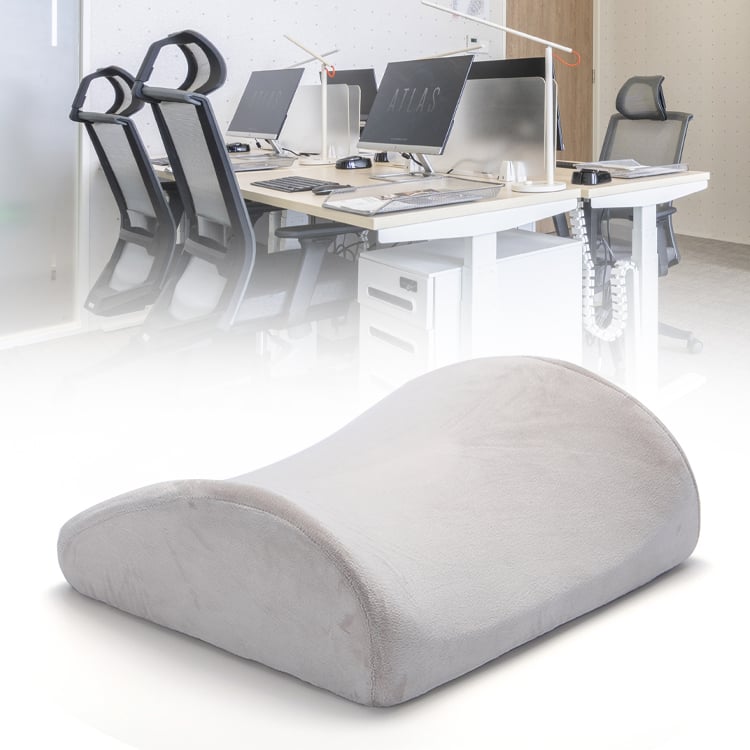
Lumbar pillows—typically 12 by 20 inches—provide targeted lower-back support when seated, while cylindrical bolsters aid neck or knee positioning during restorative lounging. Oversized body pillows (48 by 20 inches or larger) align the full side profile, from head to knee. For truly unique needs, bespoke fabrication allows hybrid shapes—blending lumbar support with cervical contouring, for example—that standard categories cannot replicate. This precision ensures functional intent is met, whether for therapeutic alignment, ergonomic relief, or intentional decor.
Pillow height and depth must reflect individual biometrics rather than generic averages. Optimal loft is determined by the compressed distance between the outer shoulder and head in side-lying position, which correlates strongly with shoulder width and frame size. Narrower frames benefit from low-loft pillows under 3 inches; medium builds suit medium loft between 3 and 5 inches; broader shoulders require high loft of 5 inches or more to preserve cervical neutrality. Neck length further refines depth: longer necks need a deeper cradle to support natural lordosis, while shorter necks perform better with flatter profiles.
Mattress firmness modulates these requirements—a soft mattress increases sinkage, effectively narrowing the shoulder-to-head gap and calling for slightly higher loft, whereas a firm surface maintains a shallower gap, often requiring less height. Adjustable pillows with removable fill allow real-time calibration across these variables. By anchoring dimensions in measurable anatomy and sleep environments, custom pillows eliminate trial-and-error and deliver consistent, restorative support.
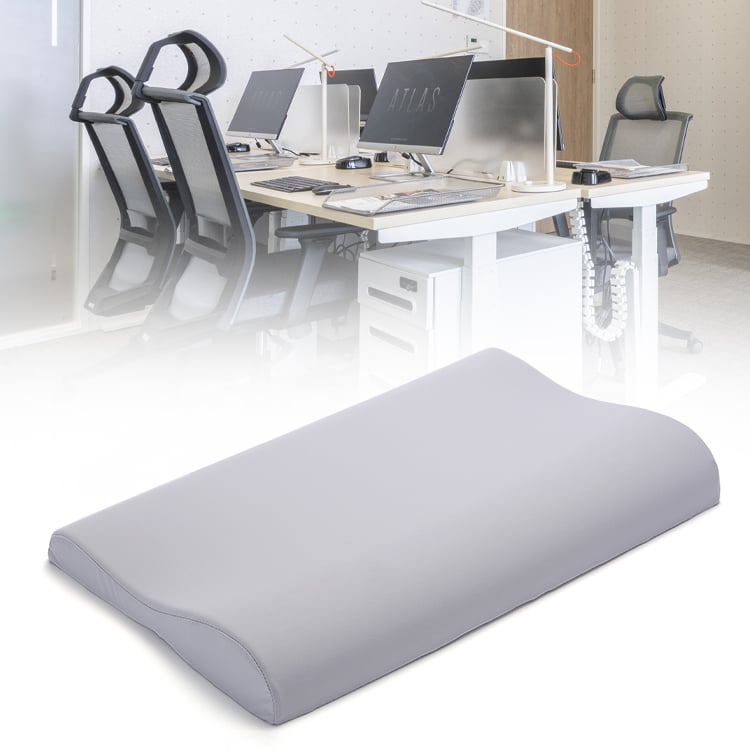
Custom pillow design bridges clinical function and intentional aesthetics. Each style serves distinct biomechanical purposes while contributing cohesively to interior composition. Contour, wedge, and cervical pillows are engineered for active postural support rather than passive comfort. Contour pillows use dual-zone elevation to cradle the head and fill the cervical gap, making them particularly effective for back sleepers, while side-sleeping variants feature elevated lateral walls to maintain thoracic-cervical alignment. Wedge pillows elevate the upper torso at a clinically supported 30 to 45 degree incline—proven to reduce nocturnal acid reflux and improve respiratory efficiency—and double as stable backrests for reading or recovery. Cervical pillows integrate a central depression with raised lateral supports to preserve cervical lordosis, often using responsive memory foam or latex that adapts to individual curvature without collapsing. In custom applications, firmness, taper angle, and material density are calibrated to shoulder width, neck length, and personal preference, transforming standardized shapes into therapeutic tools grounded in sleep medicine principles.
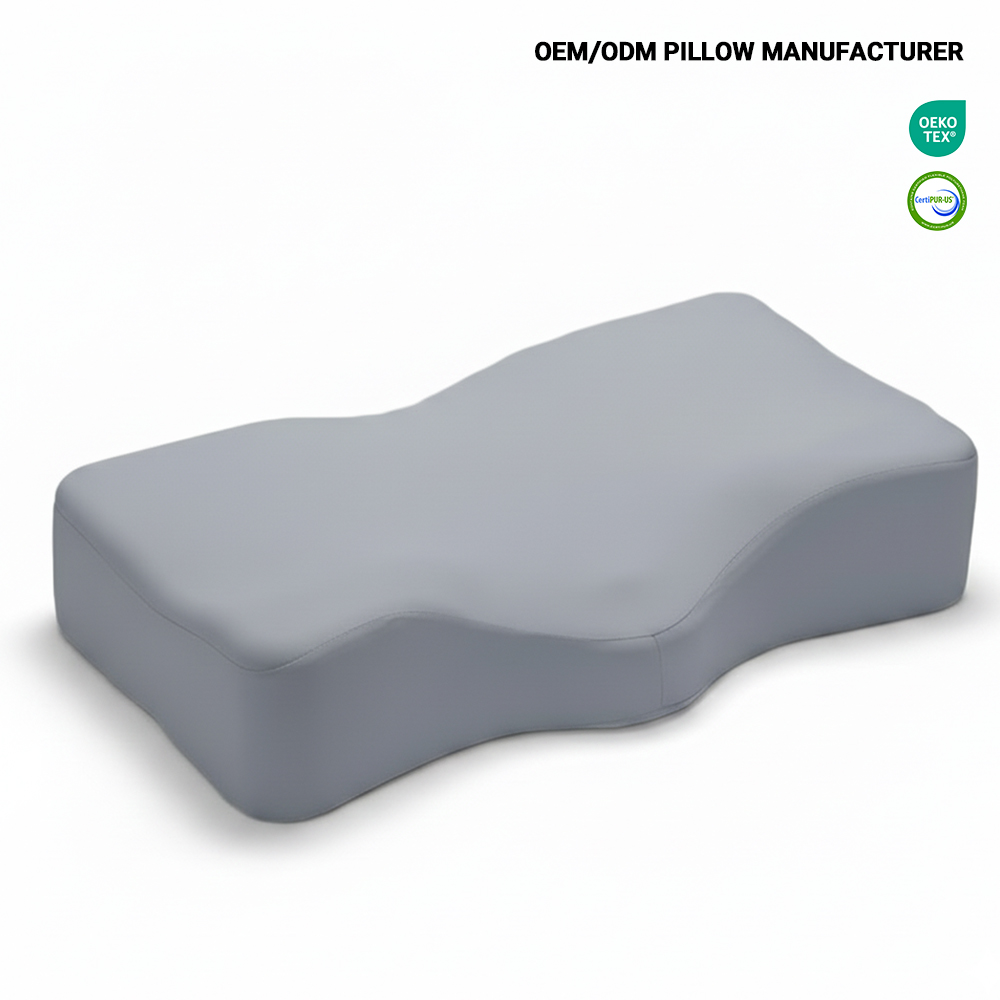
Context-aware custom pillows extend utility beyond the bedroom. Indoor decorative accents can embed supportive fills, such as shredded latex or buckwheat, for occasional lumbar reinforcement without compromising visual cohesion. Outdoor pillows use solution-dyed acrylic or marine-grade polyester—tested for UV resistance, mildew inhibition, and rapid moisture dispersion—ensuring durability without sacrificing comfort. Multi-use backrests combine structured high-resilience foam cores with integrated neck rolls, functioning equally well as reading supports in bed or floor seating in living spaces. Shape selection follows function: bolsters suit outdoor chaise lounges, oversized squares anchor floor seating, and tapered wedges enhance bedside ergonomics. These designs unify practicality and intentionality, proving that aesthetic integration need not compromise biomechanical integrity.
Shape is the foundational variable governing both ergonomic performance and spatial presence. From a physiological standpoint, contour dictates pressure mapping, muscle activation, and spinal loading. Electromyography research confirms cylindrical shapes reduce paraspinal strain in side sleepers, while rectangular profiles distribute load more evenly for supine posture. A systematic review established that pillow geometry—particularly curvature radius and cross-sectional taper—is independently associated with reductions in chronic neck pain and improvements in sleep continuity. Visually, shape becomes compositional language: a sculpted wedge adds vertical rhythm to layered bedding, a softly rounded bolster introduces organic contrast against linear furniture, and a precisely proportioned square anchors symmetry in minimalist schemes. Whether prioritizing cervical alignment or curating a serene bedroom palette, the silhouette of a custom pillow functions as both orthopedic interface and design element, keeping form inseparable from purpose.
Layered pillow arrangements merge biomechanical logic with spatial design. Square pillows serve as the foundational backrest, stable enough for upright activity yet yielding enough for relaxed reclining. Positioned forward, a lumbar pillow fills the natural lordotic curve, preventing posterior pelvic tilt during seated postures. A cylindrical bolster—placed beneath the knees for side sleepers or at the nape for upright support—adds dynamic pressure relief and sculptural dimension. Custom sizing ensures proportional stacking, as pillow heights align with mattress depth and user torso length to avoid visual imbalance or functional misalignment. This methodical layering creates rhythmic variation in scale and form, replacing flat uniformity with intentional, supportive depth.
Sleep position determines non-negotiable biomechanical parameters. Side sleepers require sufficient height to bridge the ear-to-shoulder gap, preventing lateral flexion that strains facet joints. Back sleepers need moderate loft to sustain cervical lordosis without overextending the occiput. Stomach sleepers benefit from minimal height to avoid forced cervical rotation and hyperextension. Firmness follows logically: side sleepers need medium-to-firm resilience to resist compression under shoulder weight, back sleepers thrive with medium-conforming materials that yield without bottoming out, and stomach sleepers require soft, low-rebound fills to minimize upward pressure on the chin and jaw.
These specifications, grounded in spine biomechanics and validated by clinical sleep research, are programmable in custom construction. Adjustability remains key: removable fill or modular layers let users refine loft and support as body composition, mattress wear, or sleep habits evolve, ensuring long-term alignment rather than just an initial fit.
What is the significance of custom pillow sizing? Custom pillow sizing ensures personalized support tailored to your body mechanics and sleep position, leading to improved spinal alignment and sleep quality.
How do I determine the right pillow loft for my body? Pillow loft is determined by factors such as your shoulder width, neck length, and mattress firmness. Broad shoulders typically require higher lofts, while narrower frames benefit from lower loft options.
What designs are available for custom pillows? Custom pillow designs include contour, wedge, lumbar, and multi-use styles, each tailored to specific needs like sleep posture, ergonomic alignment, and decorative integration.
How do I optimize pillows for specific sleep positions? Side sleepers require higher loft to bridge the ear-to-shoulder gap, back sleepers benefit from moderate loft, while stomach sleepers need minimal height to avoid cervical strain.
Are outdoor pillows different from indoor ones? Yes, outdoor pillows are typically made with weather-resistant materials like solution-dyed acrylic or marine-grade polyester for durability against UV rays, mildew, and moisture.

Established in 2007, Welldo is a manufacture and trader specialized in the research, development and production of all kinds of memory foam pillows. We are located in Xiamen, with convenient transportation access. All of our products comply fit international quality standards and are greatly appreciated in a variety of different markets throughtout the world. In order to further enhance the company's strength and competitive edge, and at the same time respond to the call of the country