EN
EN



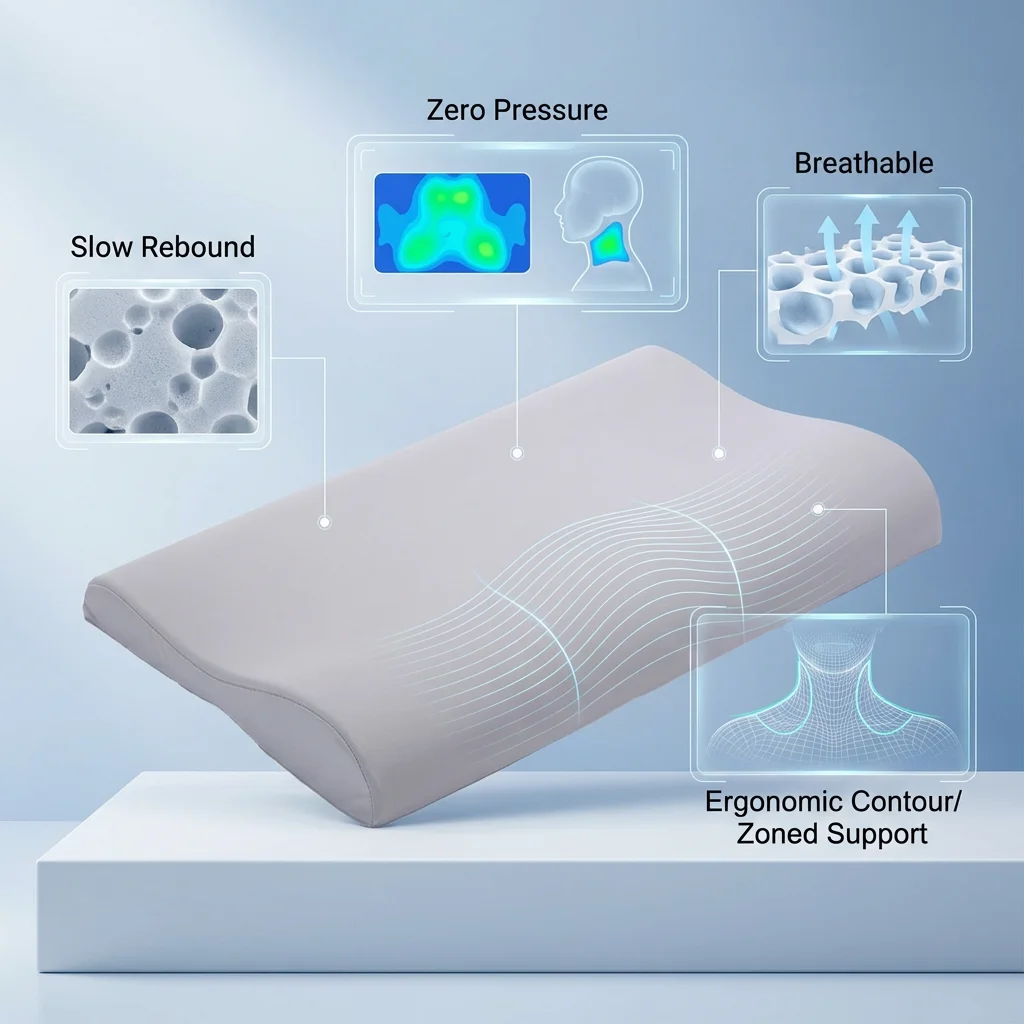
Hours spent at a desk—often in a fixed, forward-leaning posture—gradually overload the cervical spine and surrounding muscles. Static positioning combined with poor ergonomics creates a silent epidemic of musculoskeletal strain that follows workers long after logging off, making overnight spinal recovery critical.
Forward head posture—where the head shifts ahead of the shoulders—is a hallmark of screen-based work. A 2024 biomechanical study found that pressure within cervical intervertebral discs can double when the head tilts forward compared to neutral alignment. This posture forces the upper trapezius and posterior neck muscles into sustained overactivity, leading to fatigue and microtrauma. Over time, chronic imbalance shortens anterior neck muscles while overstretching posterior structures, compressing discs and potentially irritating nerve roots.
The resulting stiffness and pain often persist into the night—precisely when the spine needs decompression. Without support that maintains neutral alignment—such as an ergonomic pillow designed for cervical cradling—the damage accumulates, turning daily habits into long-term structural change. Between 45% and 70% of full-time office workers experience neck pain annually, with thoracic discomfort nearly as common. Remote work has intensified this trend, as home setups frequently lack dedicated ergonomic chairs and monitor placements. This widespread pain reduces productivity and disrupts sleep—creating a self-reinforcing cycle where poor rest heightens pain sensitivity, which in turn makes the next workday more physically taxing. A robust solution must address the full 24-hour posture cycle—including nighttime recovery via an ergonomic pillow that actively supports the cervical spine and helps reverse forward head strain accumulated during the day.
An ergonomic pillow is not just a comfort accessory—it’s a therapeutic tool engineered to counteract the postural stress of prolonged desk work. For those spending eight or more hours leaning forward, the pillow must correct alignment, redistribute pressure, and enable overnight recovery of the neck and upper back. Its effectiveness rests on two interdependent pillars: precise biomechanical support and science-backed material behavior.
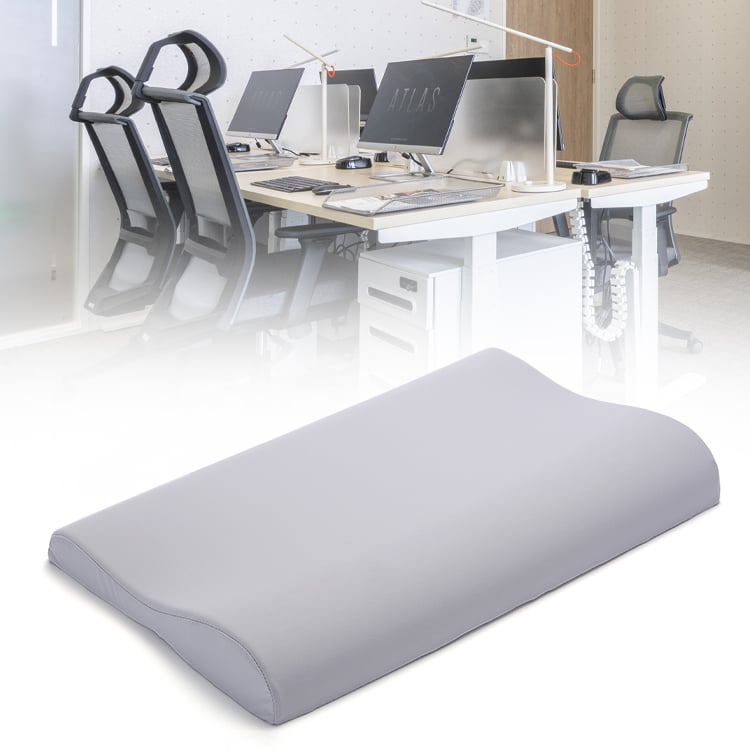
Spinal alignment during sleep depends critically on pillow height and contour. For back sleepers, a loft of 10 to 12 cm maintains neutral cervical alignment—preventing excessive extension or flexion. Side sleepers require greater height—typically 12 to 15 cm—to bridge the shoulder-to-head gap and preserve straight spinal alignment. Contour design is equally essential: a central depression cradles the occiput while raised lateral edges support the natural cervical lordosis, reducing disc-loading flexion stress.
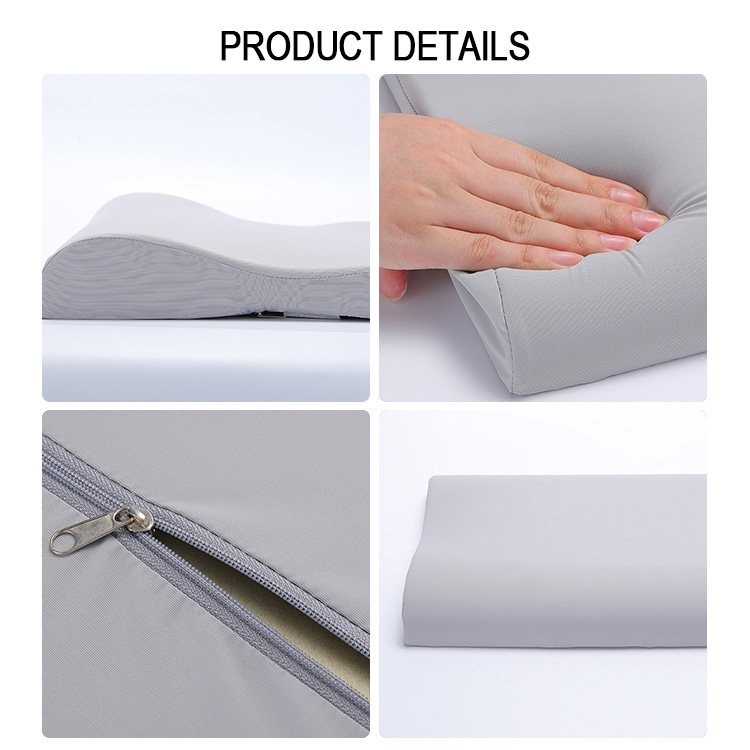
Material choice amplifies this geometry—high-viscoelastic memory foam conforms without collapsing; natural latex delivers resilient, breathable support that sustains loft all night. Together, contoured shape and responsive materials help restore ear-shoulder-sternum alignment—the very posture office workers lose during the day—allowing cervical extensors to fully relax.
“Ergonomic” gains meaning only when a pillow delivers both pressure redistribution and targeted support. Standard pillows concentrate load under the occiput and point-load the neck, compressing suboccipital nerves and contributing to tension headaches. In contrast, a well-designed ergonomic pillow spreads head weight across a broader surface area—reducing peak pressure significantly and easing muscle guarding that blocks deep sleep. Targeted support goes further: the pillow’s shape gently elevates the atlas and fills the cervical curve, guiding the neck into optimal alignment—not just passively cushioning it. Without both mechanisms, a pillow remains inert padding rather than an active recovery tool. For office workers, this functional difference translates directly into fewer mornings with stiff necks and measurable improvement in forward head posture over time.
Controlled clinical trials confirm rapid, measurable benefits. A four-week intervention using contoured, supportive pillows significantly reduced subjective neck pain scores among participants with chronic, non-specific neck pain. The mechanism is clear: maintaining neutral spinal alignment overnight reduces cumulative strain on cervical discs and soft tissues—giving overworked muscles a chance to reset.
Participants reported less discomfort even before structural adaptations occurred, suggesting that nightly postural correction alone yields meaningful relief. A 45% reduction in pain intensity emerged as a consistent, achievable outcome—demonstrating how a simple, non-invasive intervention can deliver fast, clinically relevant returns.
Beyond clinical metrics, users report tangible professional benefits. Remote and hybrid workers—who often blur boundaries between living and working spaces—frequently describe waking with less stiffness and sharper mental clarity after switching to supportive sleep systems. This correlates with fewer midday energy crashes—a common symptom of inadequate spinal recovery. The link is physiological: uninterrupted, restorative sleep stabilizes autonomic function and supports cognitive resilience. By correcting nighttime posture, the right pillow interrupts the cascade of fatigue and discomfort that erodes concentration. The result? More stable mood, higher daytime stamina, and improved work output—making sleep quality not just a wellness priority, but a direct performance lever.
What is forward head posture, and why is it harmful? Forward head posture occurs when the head shifts ahead of the shoulders, often due to prolonged screen use. It increases strain on cervical discs, muscles, and nerves, potentially leading to pain and stiffness.
How does an ergonomic pillow help office workers? An ergonomic pillow helps by maintaining neutral cervical alignment overnight, reducing strain on the neck and upper back caused by prolonged sitting and poor posture.
What materials are best for ergonomic pillows? High-viscoelastic memory foam and natural latex are ideal materials as they provide conforming support and maintain consistent loft, ensuring overnight recovery for the cervical spine.
Can ergonomic pillows improve sleep quality? Yes, ergonomic pillows can enhance sleep quality by redistributing pressure and supporting proper neck alignment, reducing stiffness and tension-related discomfort during sleep.
Are there clinical benefits to using ergonomic pillows? Studies show that ergonomic pillows can reduce neck pain by up to 45% after just four weeks, making them a non-invasive, effective recovery tool for office workers.

Established in 2007, Welldo is a manufacture and trader specialized in the research, development and production of all kinds of memory foam pillows. We are located in Xiamen, with convenient transportation access. All of our products comply fit international quality standards and are greatly appreciated in a variety of different markets throughtout the world. In order to further enhance the company's strength and competitive edge, and at the same time respond to the call of the country