EN



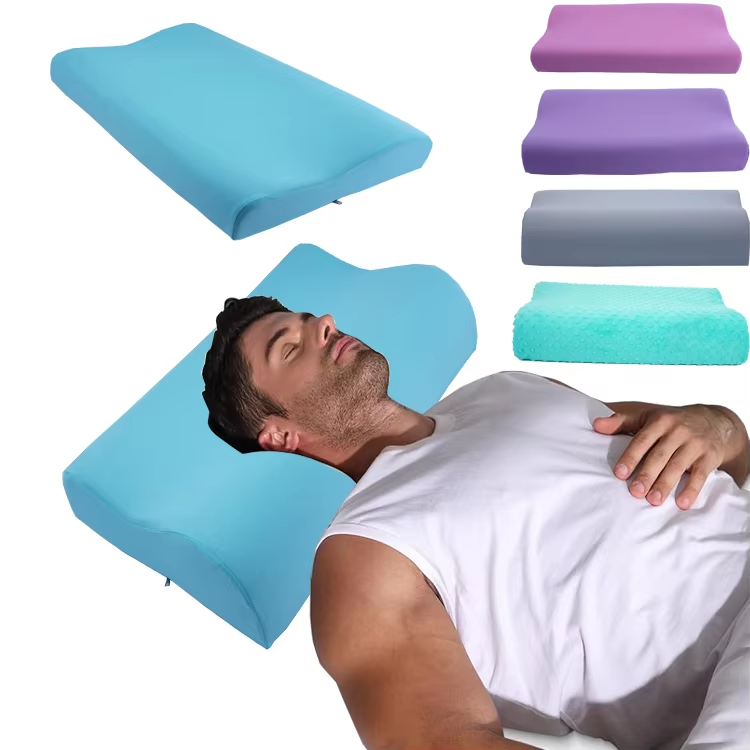
A sleep pillow shapes how the head, neck, and shoulders rest through the night, yet the right fill depends on the sleeper, not on any single material. Buyers often assume one technology wins for everyone, but comfort comes from matching loft, firmness, and heat behavior to a person's build and habits. A clearer approach starts with the user's needs and works backward to the fill. Below, four common fills are weighed on support, heat, allergies, durability, and price so a procurement or personal choice can be made with clear eyes.
A European home-textile distributor had stocked a single memory-foam sleep pillow line for three seasons. Background: the buyer served both retail shelves and online marketplaces across several climates. Problem: summer reorders from warmer regions fell, while returns rose for customers who found the foam too warm and unable to be washed at home. Solution: the distributor broadened the range to include latex and polyester options and added washable covers plus clearer loft guidance on the listing. Effect: warmer-region sales recovered and return rates dropped, because each shopper could pick a fill that matched climate and washing habits. The case shows why one fill rarely fits every market.
Support in a sleep pillow is not firmness alone. It is the fill's ability to keep the cervical spine aligned while the head sinks to a stable height, holding that position without bottoming out. A viscoelastic block cradles by contouring slowly; a latex core pushes back with spring; loose down shifts and needs fluffing; polyester compresses and flattens faster. The right choice depends on sleeping position and shoulder width, not on a label. Measuring loft against shoulder height gives a more useful signal than any marketing claim about softness.
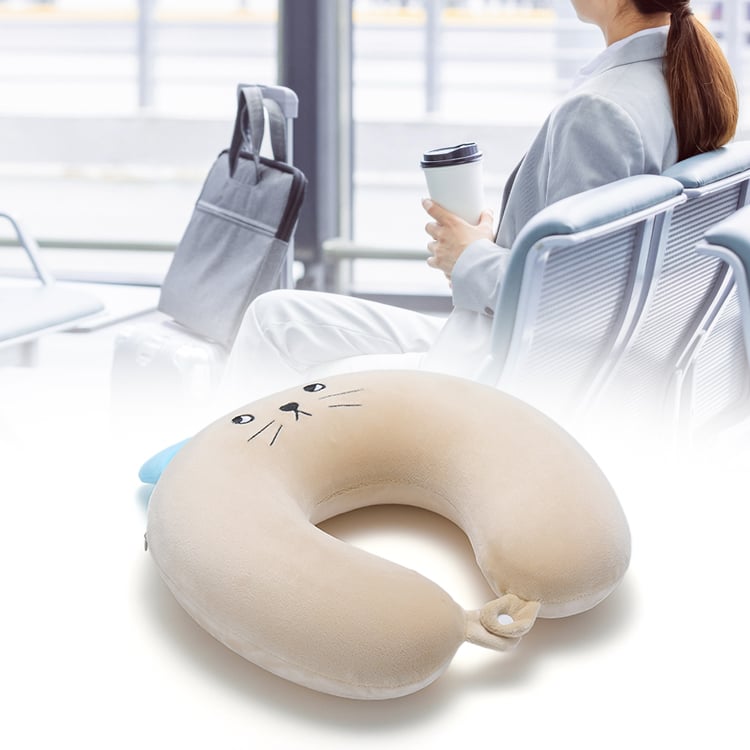
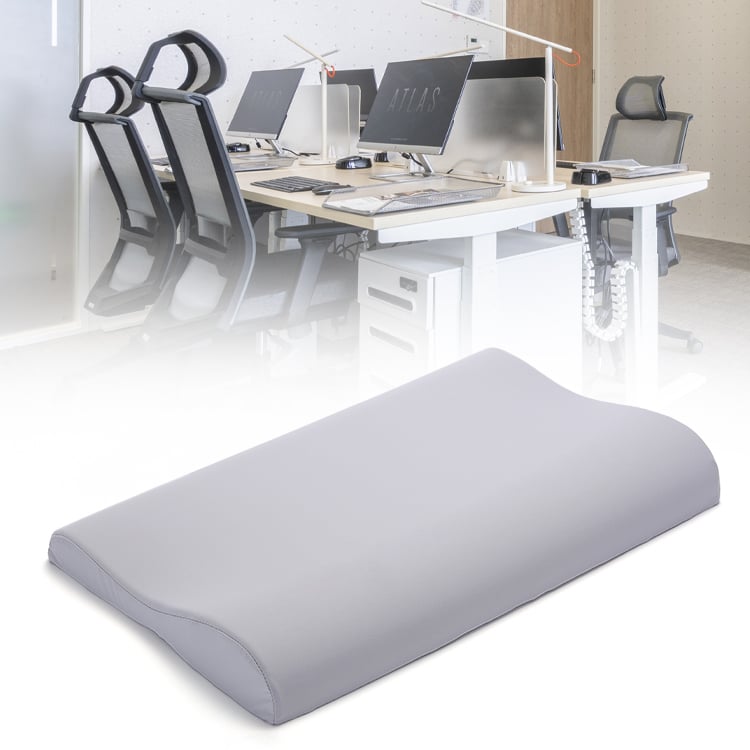
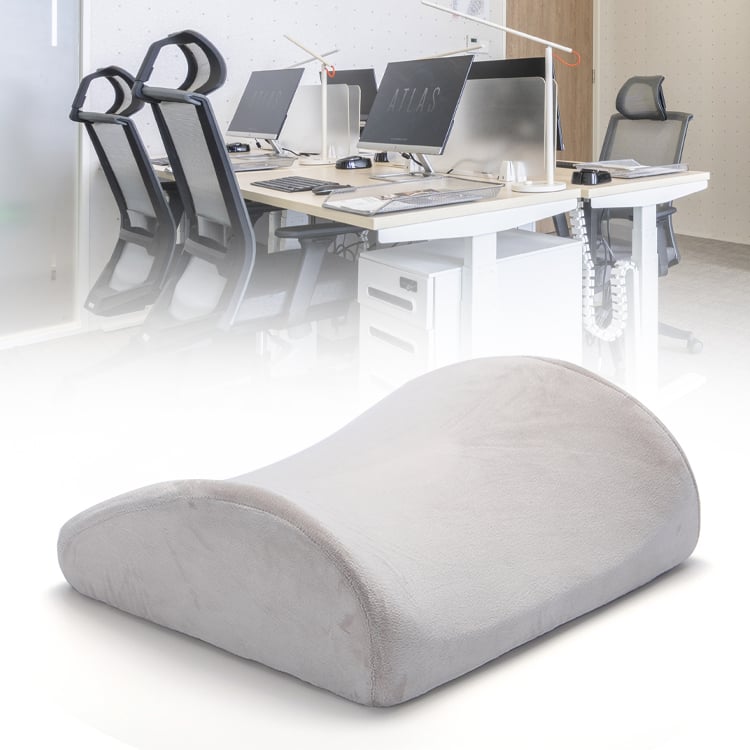
Memory foam reacts to heat and pressure, softening where the head presses so the surface maps the skull and neck. That contouring reduces pressure points and suits side sleepers with broad shoulders. The trade-off is heat retention: closed-cell foam traps warmth, and the material cannot be machine washed. Dense, certified foam resists dust mites better than loose fills. For a sleep pillow built around pressure relief, this fill earns attention, yet the warmth and fixed shape limit its fit for hot or restless sleepers. For a sleep pillow aimed at side sleepers, contouring foam reduces shoulder strain through the night.
Latex offers a springy, immediate rebound that keeps the head buoyant rather than cradled. Its open cell structure breathes more than foam, lowering heat buildup, and the material resists mold and dust mites. Natural latex tends to outlast synthetic alternatives, though price runs higher. A sleep pillow in latex suits those who want lift and cooling without the slow sink of viscoelastic foam. The firmer, livelier feel appeals to back sleepers who dislike being swallowed by the surface.
Down and feather fills are light, moldable, and quiet, letting the user reshape loft by hand. They breathe well and feel luxurious, but they flatten with use, need frequent fluffing, and can trigger allergies unless enclosed in a tight hypoallergenic shell. Polyester is the low-cost, machine-washable, easy-care option that suits children, guest rooms, and hot sleepers on a budget, though it compresses fastest and offers the least durable support. Each loose fill trades longevity for adjustability and price.
Heat sensitivity tips the scale toward latex or breathable polyester, away from dense foam. Allergy risk points to sealed, washable covers and mite-resistant cores; down demands a strict hypoallergenic barrier. Durability follows density and structure: latex and high-grade foam hold shape for years, down needs renewal, polyester flattens soonest. Price spans wide, from low-cost polyester to premium natural latex. A procurement list should weight these by the end user's climate, allergy history, and expected nightly use rather than by unit cost alone.
Foams meeting CertiPUR-US emission limits keep banned chemicals and VOC levels low, while covers tested to OEKO-TEX Standard 100 confirm textiles safe for skin contact. Plants running ISO 9001 systems show consistent manufacturing control, and BIFMA or ANSI benchmarks guide seating and postural ergonomics that also inform pillow geometry. Though OSHA guidance targets workplace posture, its principles of neutral alignment apply to sleep setup too. Specifying these benchmarks helps a buyer separate marketed claims from verified material safety.
Buyers should inspect loft height, seam quality, and cover zip before ordering at volume, then request a sample against the listed spec. Use a breathable, washable pillow cover and air the pillow weekly to limit moisture and mites. Maintain foam by keeping it dry and away from direct sun; latex benefits from rotation; down needs regular fluffing; polyester should be washed per label and replaced when flat. Before buying a sleep pillow at volume, confirm loft and cover specs with the supplier and test one unit in the target climate first.
The honest answer to whether memory foam leads is that it depends. A sleep pillow should be chosen by the sleeper's position, climate, allergy needs, and budget, not by a material's reputation. Foam suits pressure relief and quiet stillness; latex fits cool, springy support; down serves moldable softness; polyester wins on price and washability. Weigh the four fills against real constraints, verify the certifications, and the right fill becomes clear without chasing a universal winner.
What fill helps hot sleepers stay cool?
Answer: Latex and breathable polyester manage heat better than dense memory foam because their open structures let air move and moisture escape. A hot sleeper in a warm climate usually feels cooler on latex, which rebounds without trapping warmth, or on a washable polyester fill that can be cleaned often. Down breathes yet compresses, so it loses loft and insulation control. Pair any fill with a breathable, washable cover to keep the surface dry through the night.
Why does memory foam retain heat?
Answer: Memory foam is a closed-cell material that softens with body heat, so the surface wraps the head and traps the warmth it absorbed instead of letting it escape. Unlike latex, it has little open airflow, which raises the feel of temperature during long sleep. Choosing a ventilated foam core or a breathable cover reduces this effect, yet the basic physics of viscoelastic response means foam stays warmer than springy fills by design.
How should a buyer inspect a pillow before ordering?
Answer: A buyer should check loft height, seam quality, and the cover zip, then request a sample against the listed spec before volume orders. Press the fill to test rebound and confirm it holds shape after release. Ask for material test reports tied to CertiPUR-US or OEKO-TEX benchmarks and verify the cover is washable. Testing one unit in the target climate reveals heat and flattening behavior that a photo cannot show, protecting later bulk purchases.
Can down pillows trigger allergies?
Answer: Down and feather fills can trigger allergies in sensitive users because the fine particles and dust mites settle inside loose clusters. A tight hypoallergenic shell lowers exposure, yet regular washing and fluffing remain necessary to limit mite growth. Polyester avoids animal allergens entirely and suits allergy-prone households, though it flattens sooner. For the most sensitive sleepers, sealed latex or certified foam with a washable cover gives a calmer night without the allergen load that loose natural fills can carry.
Which fill lasts the longest?
Answer: A sleep pillow built from natural latex or high-grade certified foam holds its shape for years, since both resist compression and recover after load. Down needs renewal as clusters break down, and polyester flattens soonest under daily use. Durability also depends on care: keeping foam dry, rotating latex, and washing polyester per label all extend useful life. For long-term value, dense latex or certified foam paired with a washable cover outperforms loose fills on service life.

Established in 2007, Welldo is a manufacture and trader specialized in the research, development and production of all kinds of memory foam pillows. We are located in Xiamen, with convenient transportation access. All of our products comply fit international quality standards and are greatly appreciated in a variety of different markets throughtout the world. In order to further enhance the company's strength and competitive edge, and at the same time respond to the call of the country